
Home › Blog › Jama Masjid and Badshahi: the Mughal giants of Delhi and Lahore
Architecture · 5 min read · 2026-02-23
Jama Masjid and Badshahi: the Mughal giants of Delhi and Lahore
About twenty years apart, two Mughal emperors had two mosques erected on the scale of their empire: the Jama Masjid in Delhi, completed in 1656, and the Badshahi Mosque in Lahore, completed in 1673, which remained the largest mosque in the world for nearly three centuries.
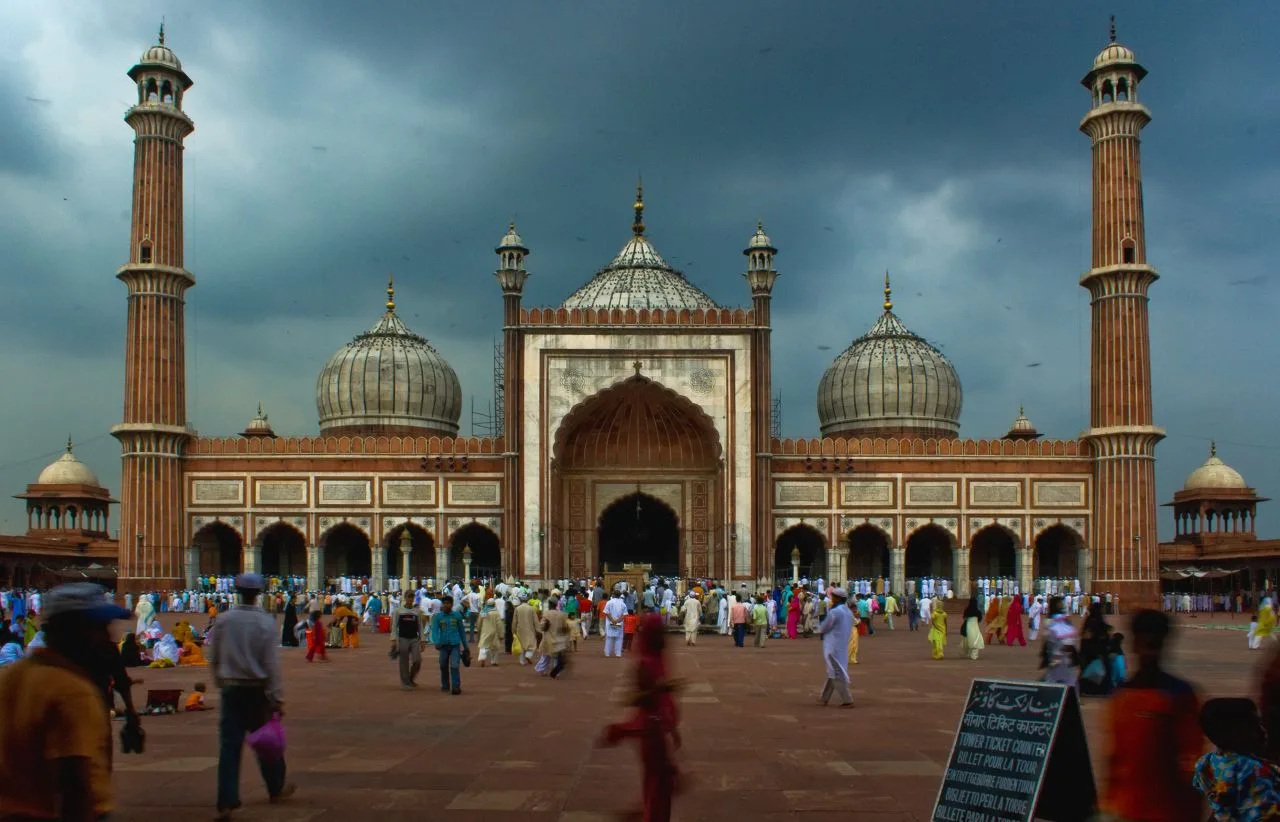
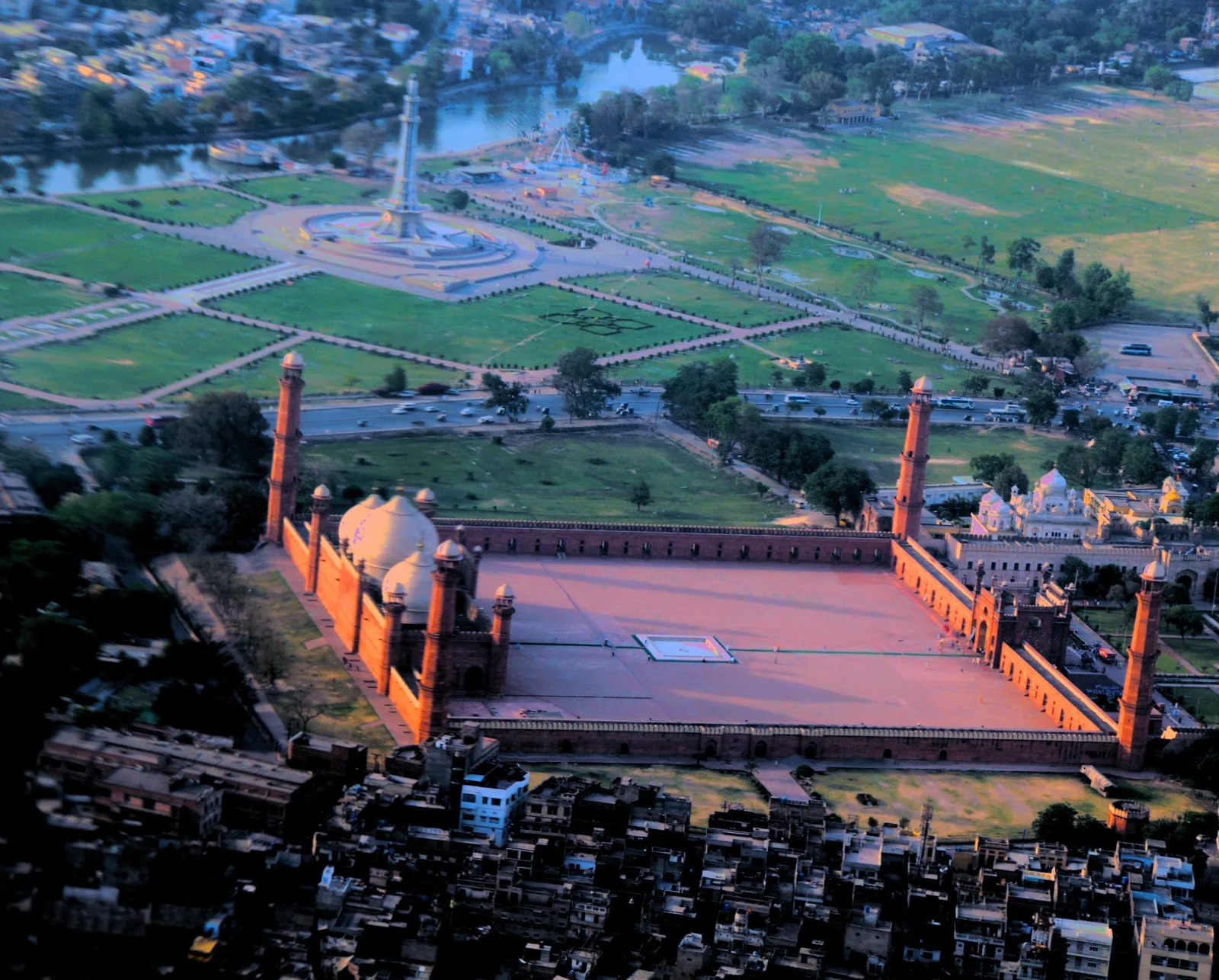
The Jama Masjid, the mosque that reflects the world
Commissioned by Emperor Shah Jahan, builder of the Taj Mahal, and completed between 1650 and 1656, the Jama Masjid in Delhi can hold around 25,000 worshippers in its courtyard. Its official name, Masjid-i Jahan-Numa, means "the mosque that reflects the world". Climbing one of its minarets offers one of the finest views over Old Delhi and the nearby Red Fort; the mosque also holds relics attributed to the Prophet (peace and blessings of Allah be upon him), shown to visitors on certain occasions.
The Badshahi Mosque, the "imperial" mosque of Lahore
Commissioned by Emperor Aurangzeb and completed between 1671 and 1673, the Badshahi Mosque in Lahore remained the largest mosque in the world for nearly three centuries; its minarets are taller than those of the Taj Mahal. Under Sikh and then British rule, the building served for a time as a garrison and powder magazine before being restored. Its small gallery above the portal also holds venerated relics, including objects attributed to the Prophet (peace and blessings of Allah be upon him) and his family.
Red sandstone, the signature of late Mughal architecture
Both mosques share the same architectural vocabulary: red Delhi sandstone accented with white marble, grand iwan portals, fluted bulbous domes, and slender minarets with alternating bands. This style, inherited from Mughal palaces and mausoleums such as the Taj Mahal, reaches its most monumental expression in these two mosques, designed to impress as much as to host collective prayer.
Discover more
Mosques mentioned in this article
Jama Masjid
Shah Jahan's great mosque: red sandstone, white marble, and one of the largest courtyards in India.
Badshahi Mosque
The "imperial mosque" of Lahore, a red-sandstone Mughal colossus that remained the world's largest for over three centuries.
About this page's content: this site offers editorial and cultural content written with care and respect for the religious traditions concerned; it does not constitute theological advice or an authoritative religious source. Despite our checks, errors, inaccuracies, or approximations may remain. If you spot one, please let us know via the Contact page or by email at qibla.mosk@gmail.com, and we will gladly correct it.