
The blog
Islamic history and architecture
In-depth articles to understand what lies behind the domes, minarets and geometric patterns of the mosques featured on this site.
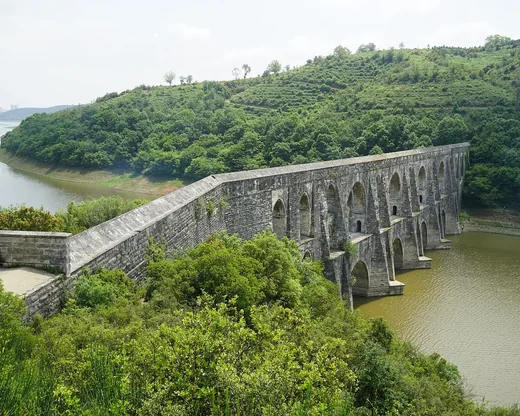
Sinan's biggest project is not a mosque
Istanbul, 1554 to 1563. Fifty-five kilometres of buried gallery, thirty-three aqueducts, and more than three hundred fountains at the end of the line.
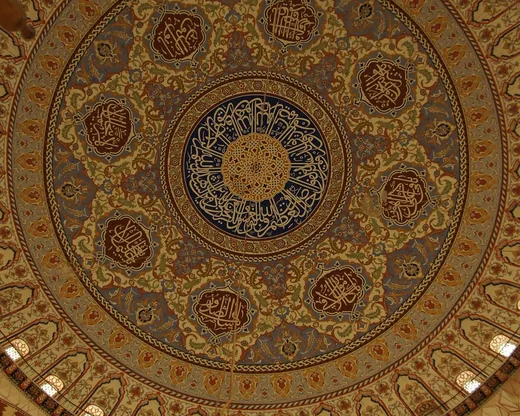
The muezzin's platform at the centre of the hall
Edirne, 1575. Sinan placed the platform at the exact centre, under the dome, with a fountain beneath. For the sound, and for the symmetry.
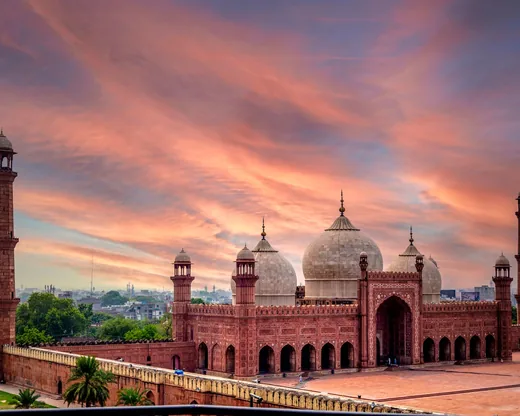
Badshahi: the largest Mughal mosque, built in two years
Lahore, 1671 to 1673. Two years for the largest religious building of the Mughals, when the Süleymaniye took seven. Brick, facing and the fort next door explain it.
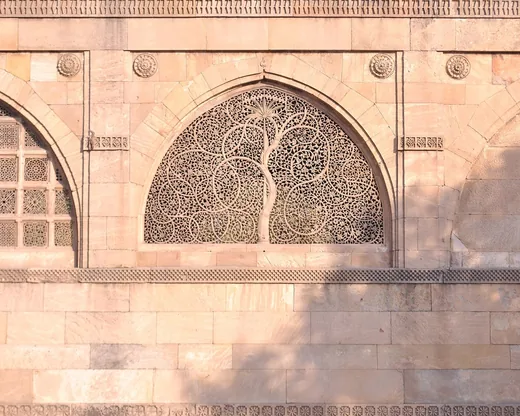
Mosque lattice screens: light, air and the gaze
A pierced stone screen breaks up the light, cools the air by evaporation and hides whoever is behind it. The Sidi Saiyyed Mosque in Ahmedabad, 1573, is the model.
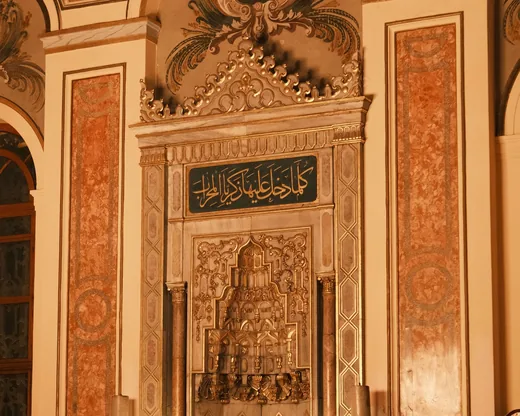
The mihrab: the niche that came a century after the first mosque
The concave mihrab appears in 706 or 707 in Medina. Before that the qibla wall was flat. Three hypotheses explain the shape, none of them demonstrated.
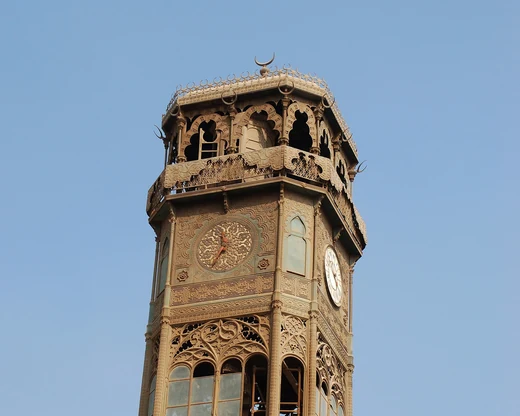
The clock of the Muhammad Ali Mosque has never told the time
A gift from Louis-Philippe that arrived broken in 1845, a tower built for it ten years later, and an exchange for the Luxor obelisk the dates do not support.
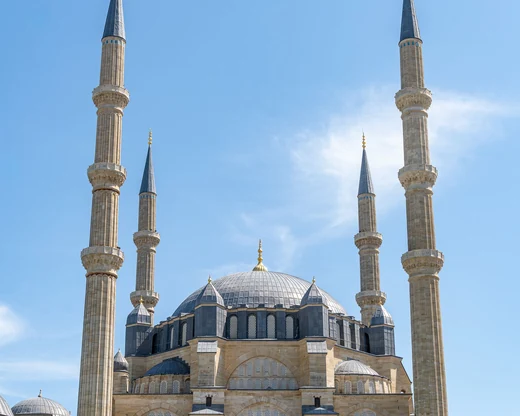
The upside-down tulip of the Selimiye Mosque
On a marble leg of the muezzin's platform, a tulip is carved head down. Two stories explain it, and neither is attested in the sixteenth century.
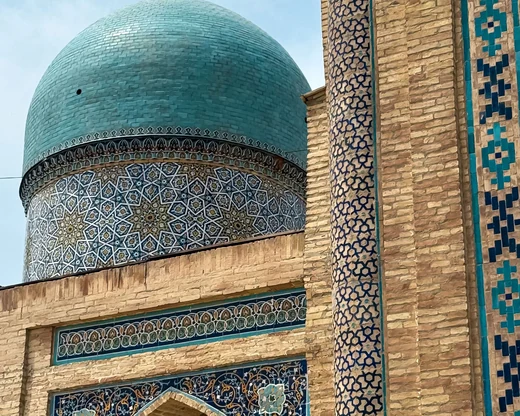
Why mosques are blue and turquoise
Cobalt and copper are the two colourants that survive the firing of a tile. Red arrives only in the mid sixteenth century, and in relief.
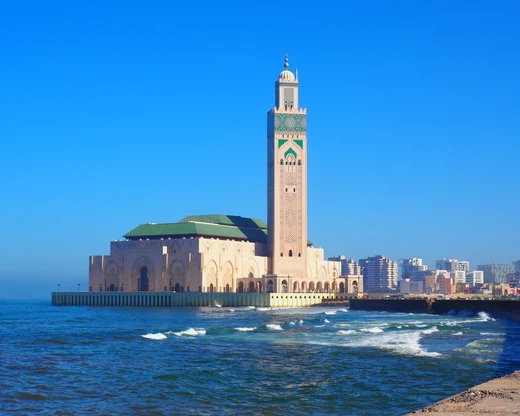
Eleven hundred tonnes on rollers: the retractable roof of the Hassan II Mosque
Above the prayer hall in Casablanca, an 1,100-tonne piece closes an opening 70 metres by 25. It does not lift: it rolls along a rail, in five minutes, and a second roof is needed to park it.
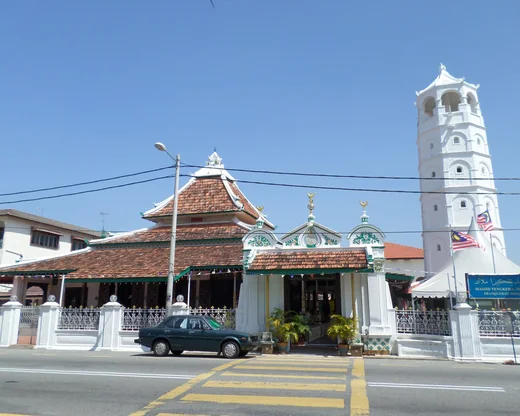
In Malaysia, the oldest mosques have neither dome nor minaret
In Malacca, three eighteenth-century mosques have no dome but a three-tiered roof that works as ventilation. The dome arrived in the nineteenth century, with the colonial architects.
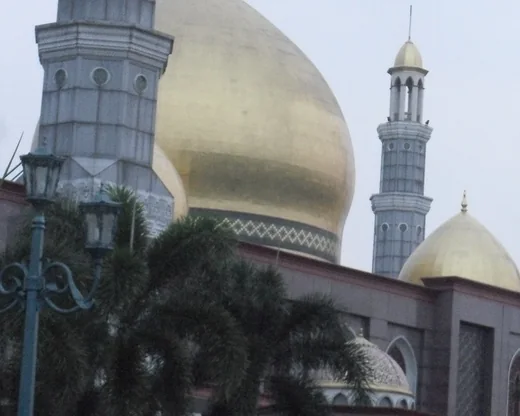
The golden dome of Depok, and what is really on it
Every account announces two to three millimetres of gold. Over a single square metre that would be forty-eight kilos. What the figure describes is the glass.
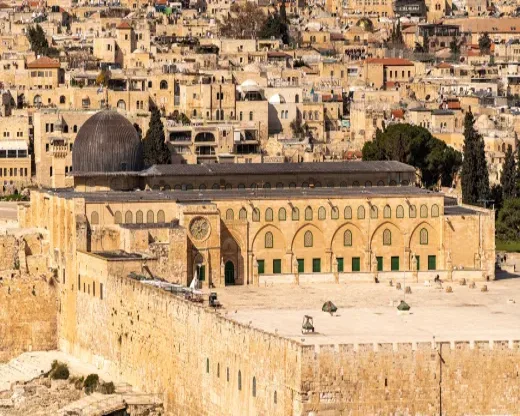
Al-Aqsa: what the name actually designates
The Dome of the Rock or the grey-domed mosque? Neither: al-Aqsa is the name of the whole compound, and a fifteenth-century scholar says so plainly.
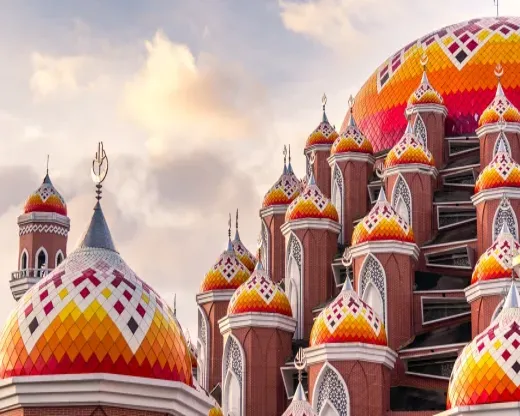
The 99 domes of Makassar: a number turned into a constraint
One dome for each name of God held by tradition. The number is not ornament but a count to be met, and the mosque's ground was reclaimed from the sea.
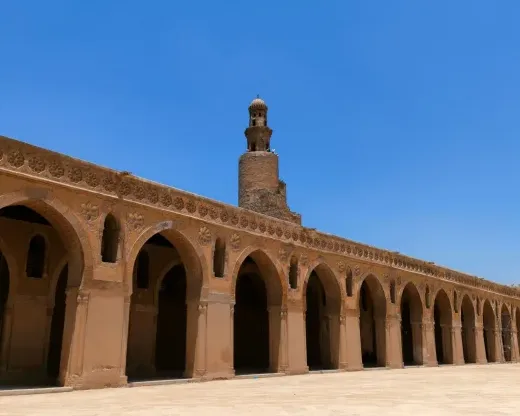
Ibn Tulun: the mosque that rests on no ancient column
The mosques of its time stand on columns taken from Roman ruins. This one stands on brick piers, and that is what lets it be so large.
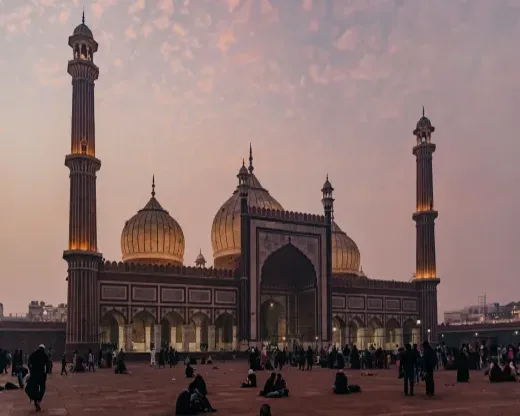
The Jama Masjid of Delhi, set ten metres above its city
Its official name means the mosque commanding a view of the world. A ten-metre plinth, three flights of red sandstone steps, and a gate reserved for the emperor.
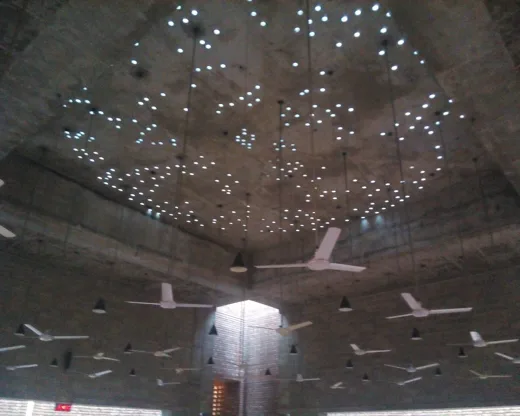
Bait Ur Rouf: a circle inside a square
The plot was a square and the direction of prayer fell thirteen degrees off. An inscribed circle solves it, and the four corners become light wells.
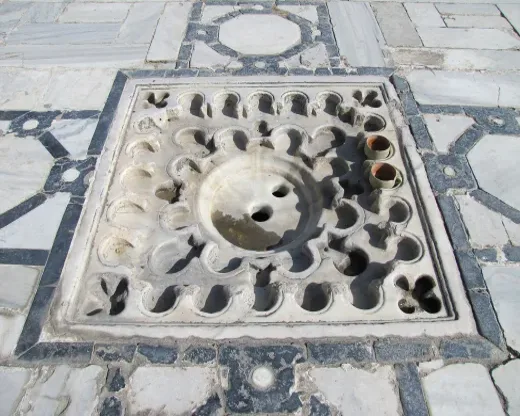
The Kairouan courtyard, a machine for harvesting rain
Three thousand five hundred square metres of paving tilted to a single point, a marble settling basin, a buried cistern and six wells to bring it back up.
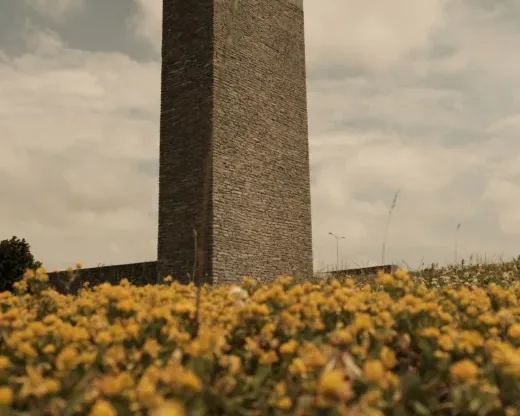
Sancaklar Mosque, buried in the slope
No dome, no façade. The roof of the mosque is the meadow you cross to get in, and its only moving ornament is daylight.
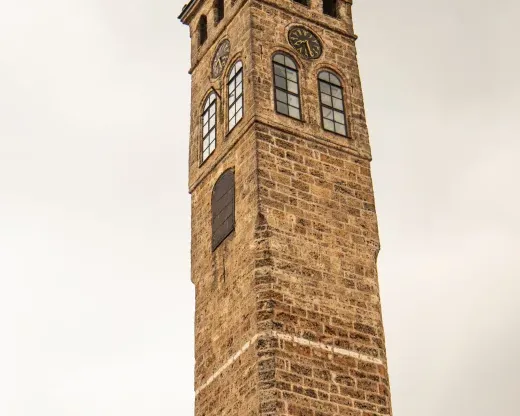
The Sarajevo clock that reads twelve at sunset
Beside the Gazi Husrev-beg Mosque, a public clock starts its day when the sun goes down. It is wrong the next morning, and somebody climbs the tower twice a week.
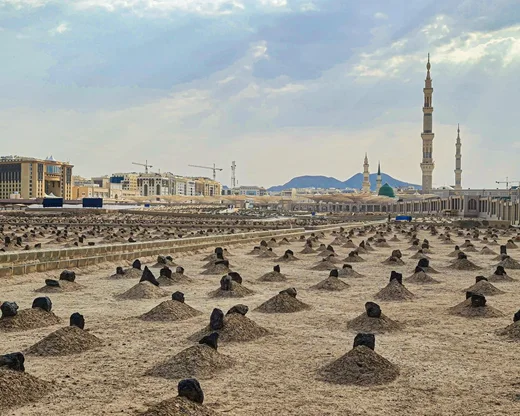
Here, no grave bears a name
A few steps from the largest mosque in Medina, a bare stretch of ground. A companion and a pilgrim who died last night occupy the same space, under the same stone.
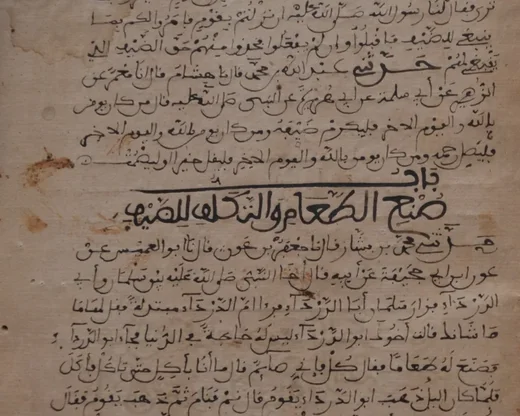
What al-Bukhari memorised was not sentences
Ten men recite a hundred rigged hadiths to him, each text placed on someone else's chain. He puts every one back. And the figure of six hundred thousand does not mean what people think.
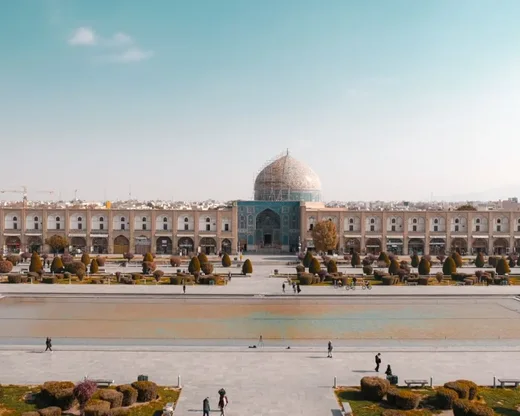
To enter this mosque, you have to turn
Its façade follows the alignment of the square. But Mecca lies 45 degrees off that axis. Between the two, a bent corridor absorbs the difference.
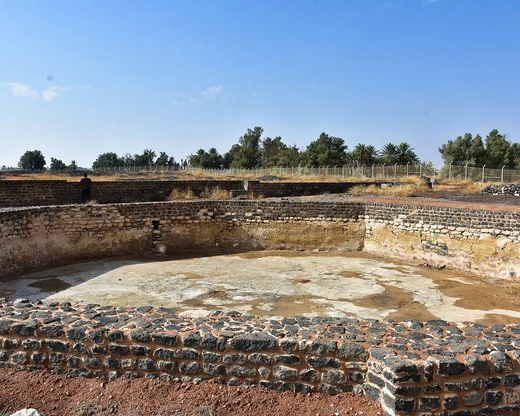
One halt every 25 km, across 1,300 km of desert
From Kufa to Mecca, 54 halts recorded by archaeology. What sets that spacing is not fatigue, it is water.
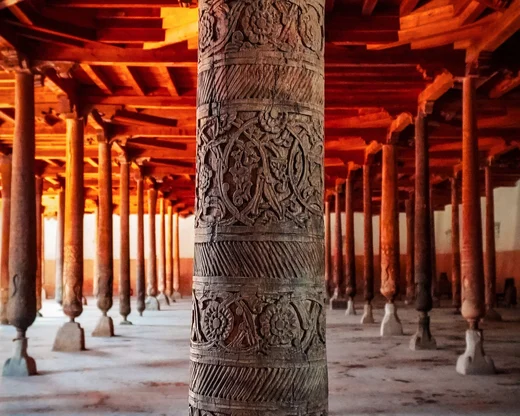
This mosque has no courtyard, no dome and no portal
Outside, a brick box. Inside, 212 wooden columns under a flat ceiling, and 25 of them are older than the hall around them.
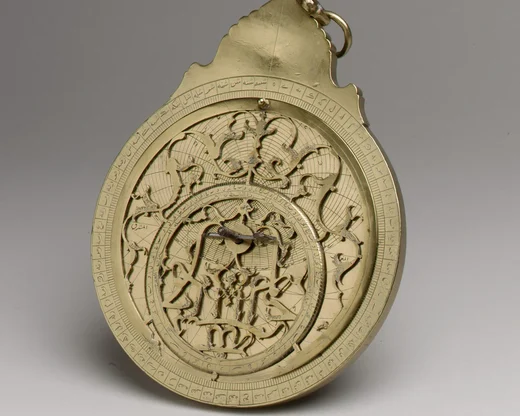
Every great Ottoman mosque had an astronomer
A small room by the courtyard, and a man who recalculated the five prayer times every day. It was not the clock that ended his trade.
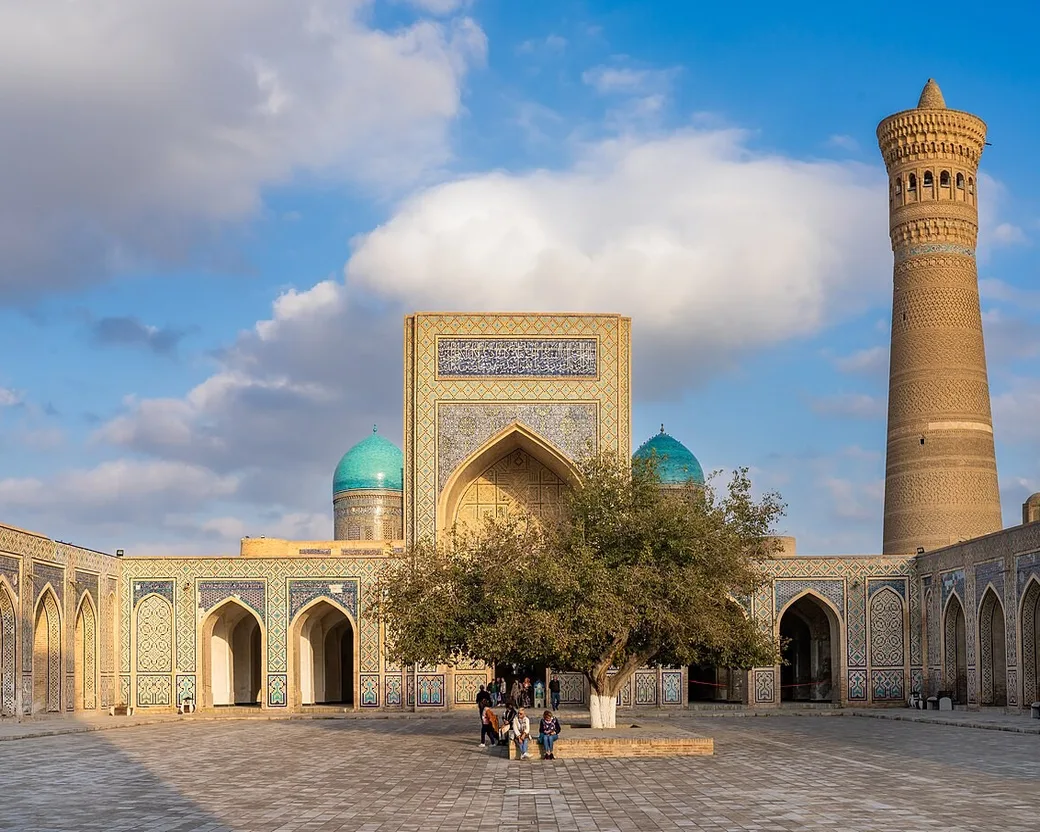
This minaret is four centuries older than its own mosque
In Bukhara, the Kalyan minaret carries its date written on it: 1127, with the name of its architect. The mosque beside it was rebuilt in 1514.
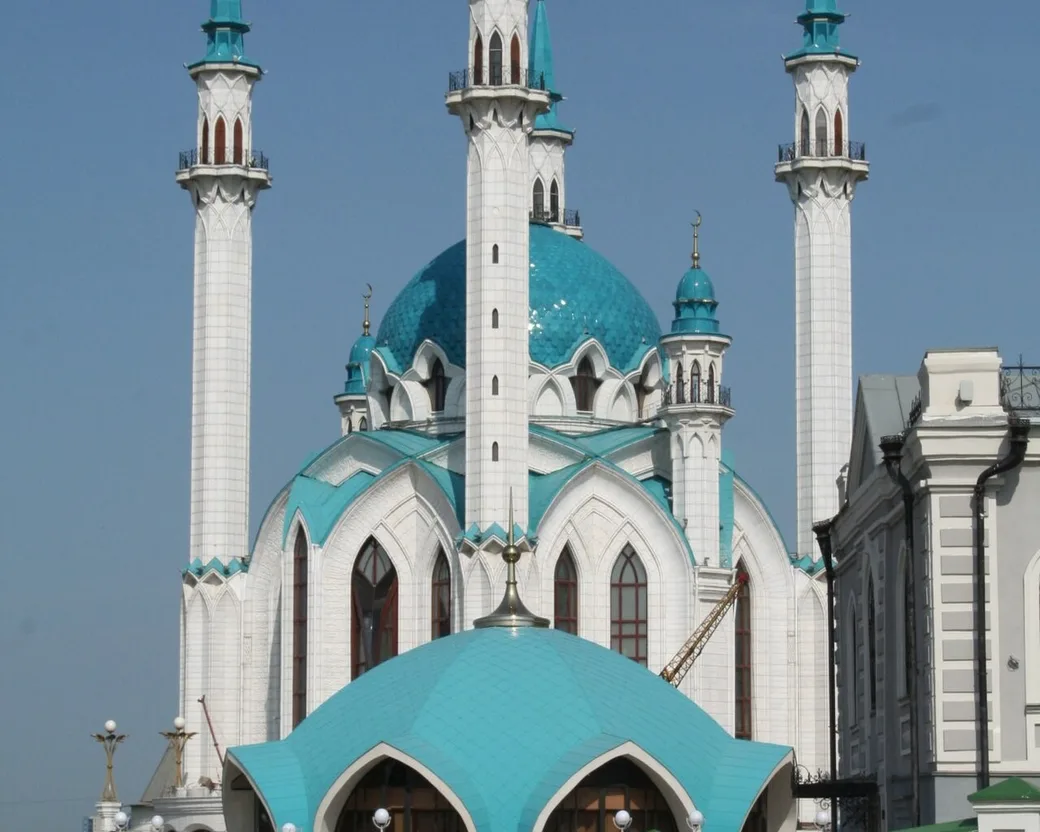
They rebuilt a mosque nobody had ever seen
Of the Kazan mosque destroyed in 1552, not a wall, not a plan and not a drawing survived. It was rebuilt all the same between 1996 and 2005. Its dome is modelled on a crown.
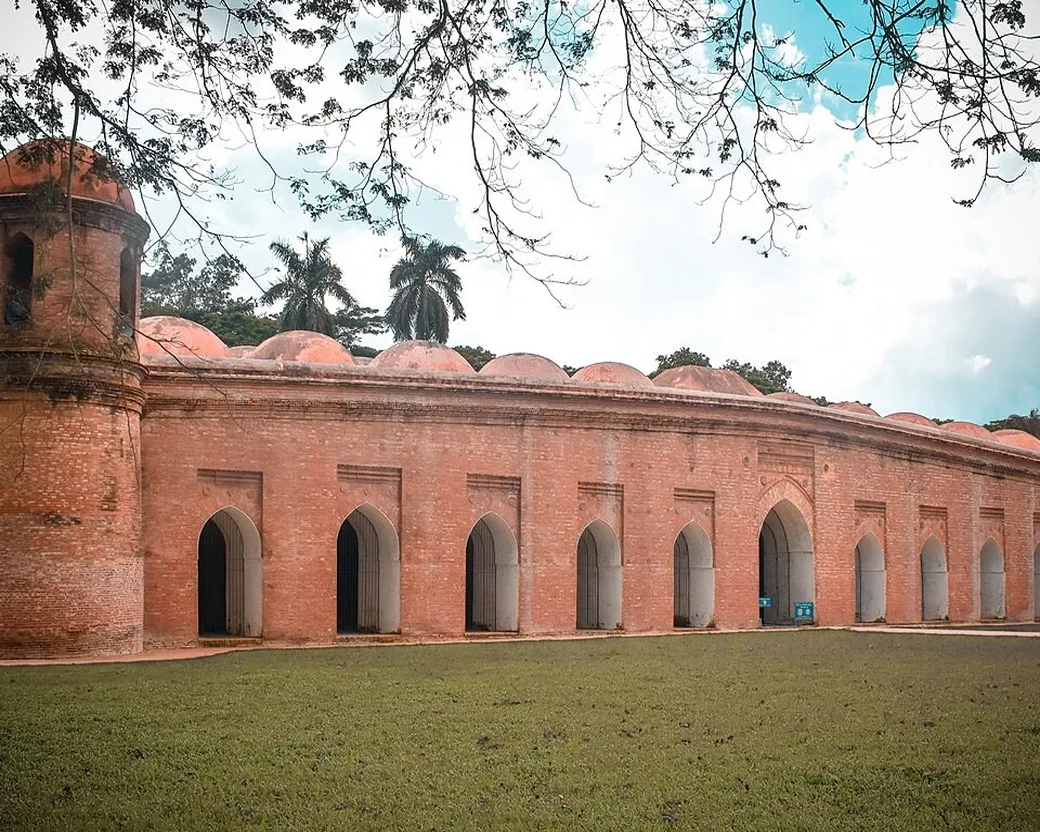
This mosque is called « sixty domes », it has seventy-seven
In Bangladesh, a UNESCO-listed mosque bears a name that matches no count at all. What there are sixty of in this building are the pillars.
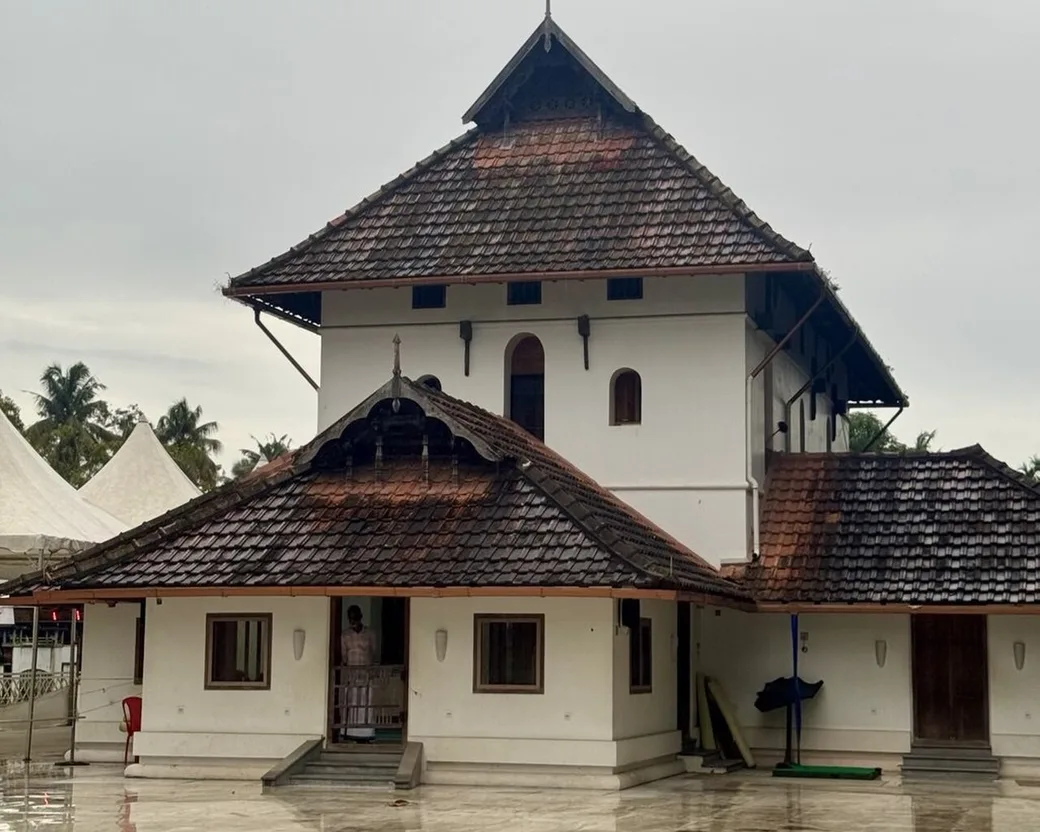
An Indian king said he had seen the moon split
On the coast of Kerala, a mosque with neither dome nor minaret, built like the houses of the region. Inside, a brass lamp that visitors of every faith come to fill with oil.
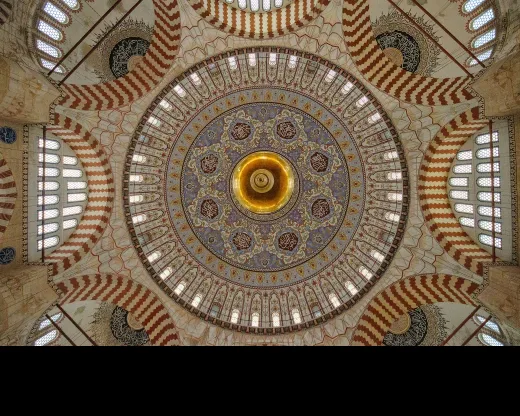
He had a mosque built for his son, and the architect called it his apprentice work
Sinan ranked his own three great works: apprentice, journeyman, master. The mosque bearing his patron's name is only second, and mastery arrives nine years after the sultan's death.
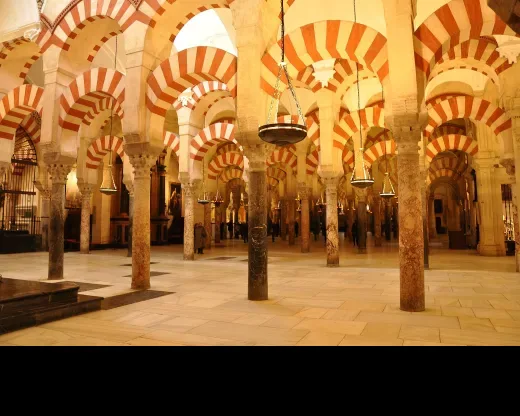
For three generations, one family ran this mosque and judged the city
In the eleventh century the Great Mosque of Cordoba is the seat of the city's authority. One man is both its imam and chief qadi. His grandson is the one Europe will call Averroes.
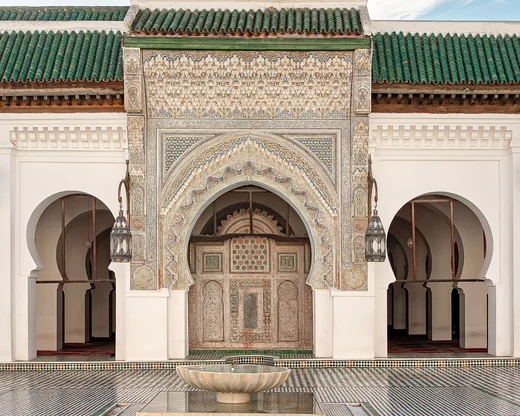
Founded by a woman in 859, saved by a woman in 2016
Fatima al-Fihri puts her entire inheritance into one building project. Twelve centuries later, an architect born in Fez saves its library, and the works uncover a walled-up room.
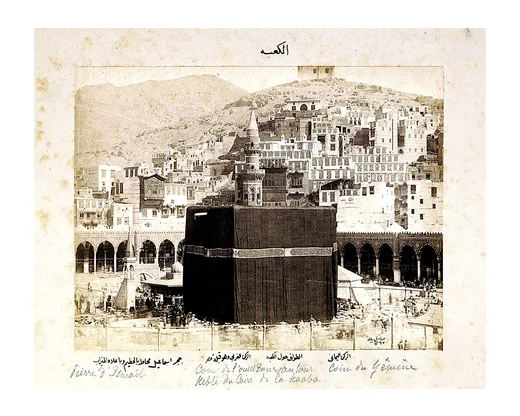
Arabic writing had been erased from these negatives
The first photographs of Mecca are not by a European. And on the negatives of a volume published in 1889 under a Dutch name, Arabic script was erased. We know it was. We do not know by whom.
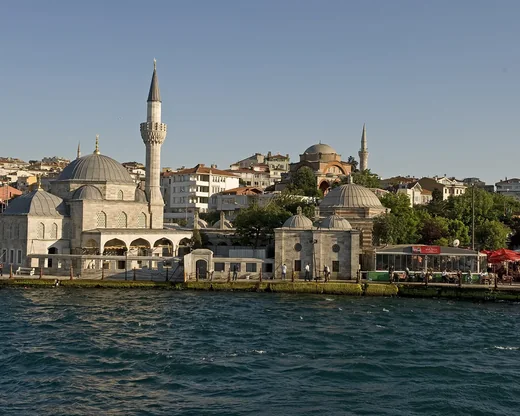
Birds do not land on this Istanbul mosque
Locals call it Kuşkonmaz, where the bird does not land. It is not a legend, it is the wind of the Bosphorus. And Sinan installed there a device found nowhere else in his work.
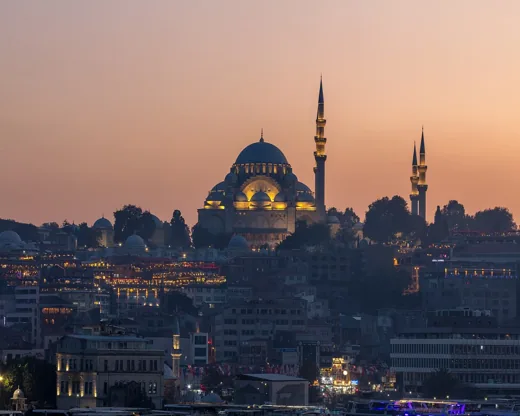
Michelangelo died in 1564. This man had twenty-four years of building left.
Sinan became chief architect at about fifty, the age when careers then ended, and built the work he called his masterpiece past eighty.
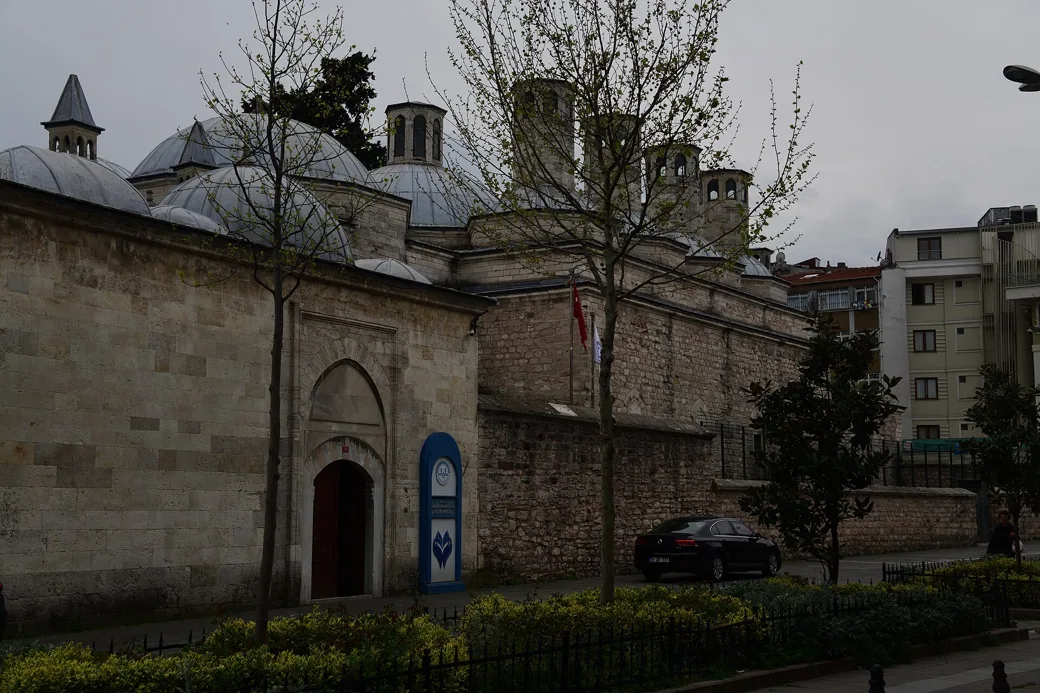
She has fed Jerusalem since 1552
In 1552 she endowed her public kitchen with shops, bathhouses, soap works and mills. It ran for close to four centuries without a single further donation.
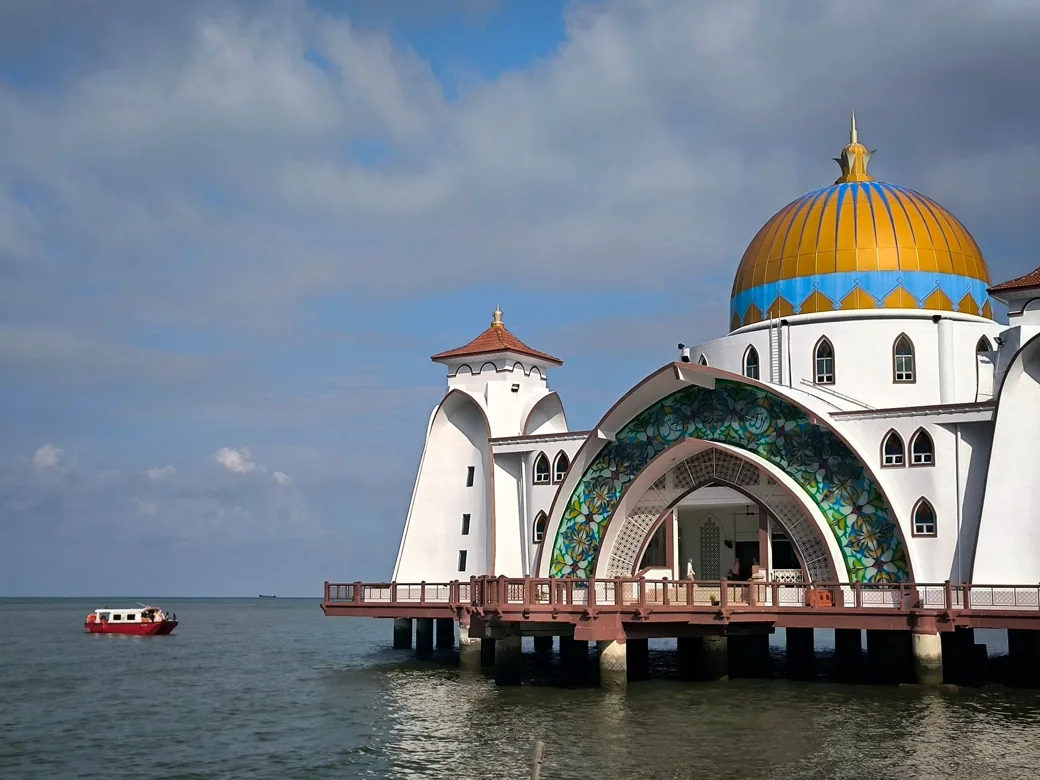
Floating mosques do not float: they stand on piles
Jeddah 1985, Kuala Terengganu 1995, Malacca 2006, Makassar 2012: at high tide their base vanishes. At low tide, the concrete piles show.
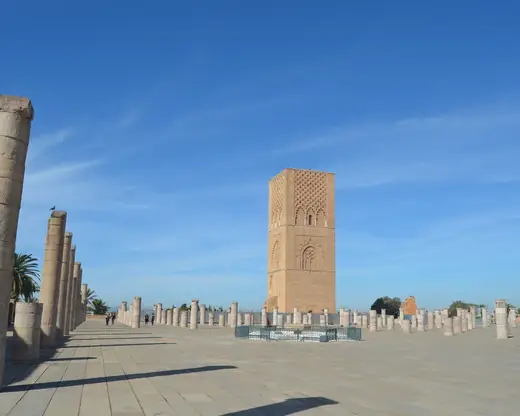
Hassan Tower: a minaret stopped halfway since 1199
The caliph dies and the site stops dead: a minaret frozen at 44 metres out of the 64 planned, and 348 broken columns left as they were for eight centuries.
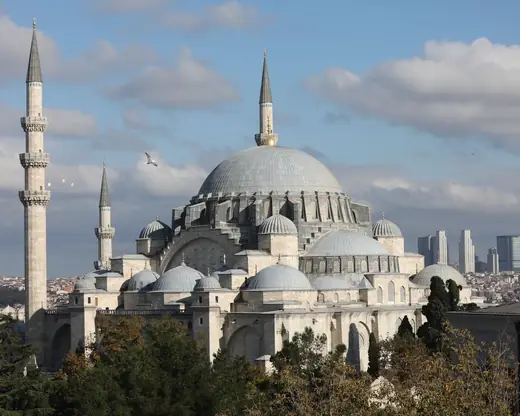
The 255 jars hidden in the dome of the Süleymaniye
The 1550 construction register records 255 earthenware jars bought for the dome: Sinan's acoustic device, and what modern restoration did to it.
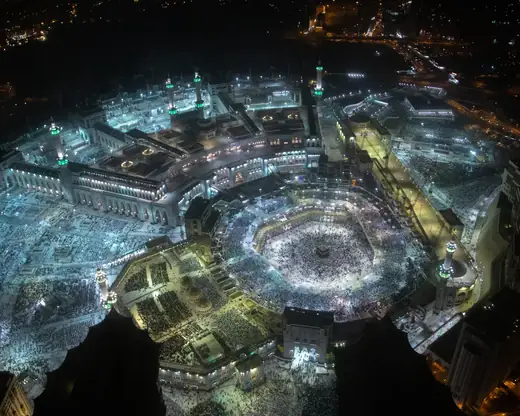
The Hajj route, step by step
Ihram, Mina, Arafat, Muzdalifah: the stages of the Hajj in chronological order, with the dates, the rites and the strikingly compact geography of the route.
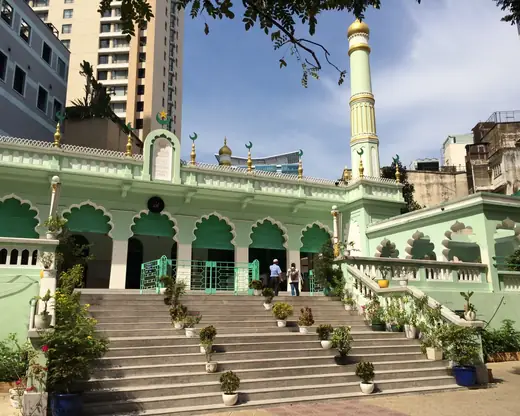
Vietnam's two great mosques were not built by the Cham
Hanoi 1885, Saigon 1935: Vietnam's two great mosques were built by Indian merchants from Bombay and southern India, not by the Cham Muslim minority.
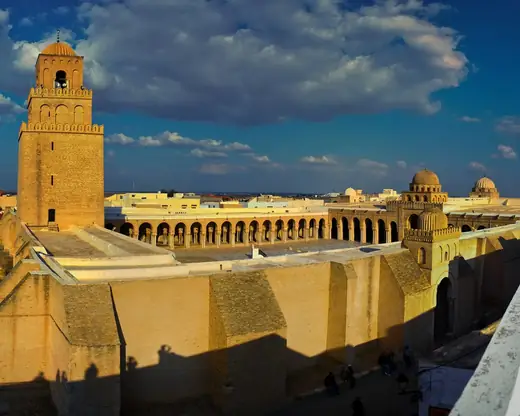
What is Islamic architecture? History and founding principles
Origins, principles and major periods of Islamic architecture: from the mosque of the Prophet (peace and blessings of Allah be upon him) to Ottoman, Mughal and contemporary masterpieces.
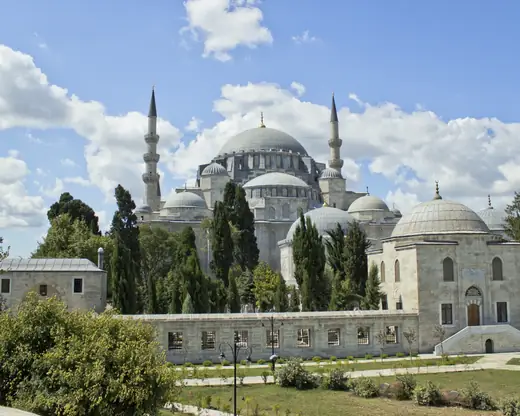
Domes and minarets: why recognise a mosque from afar?
Where do the dome and the minaret come from, the two elements that make a mosque recognisable for miles? History and role of these two architectural symbols.
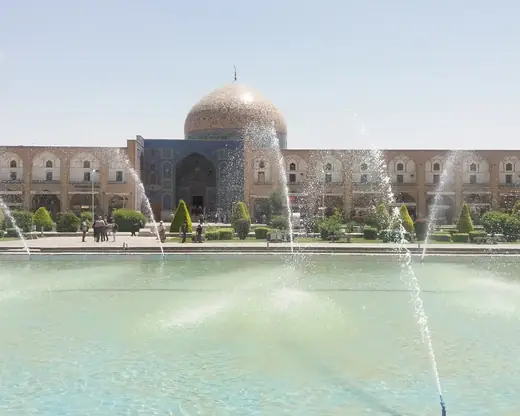
Muqarnas and geometric patterns: the mathematical secrets of Islamic art
Eight-pointed stars, interlacing and honeycomb muqarnas: how Islamic art craftsmen turned geometry into sacred decoration, without ever depicting a living figure.
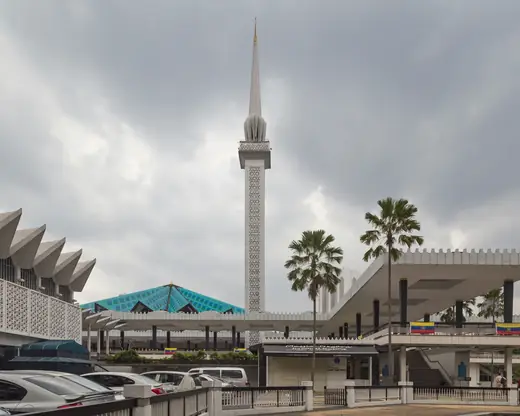
Malaysian mosques: between Malay tradition and spectacular modernism
From the National Mosque to Putra Mosque, how Malaysia has turned its mosques into architectural manifestos since independence.
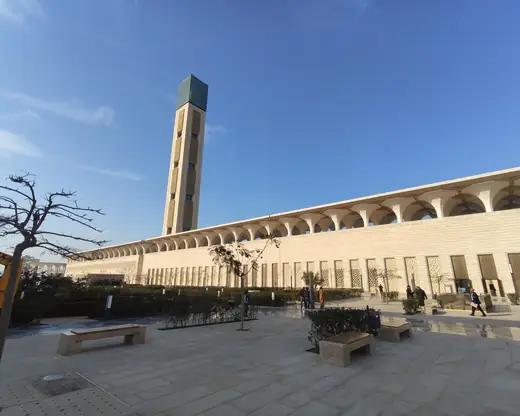
Algerian mosques: from Ottoman heritage to Africa's tallest minaret
From the Ketchaoua Mosque in Algiers, shaped by three successive regimes, to Djamaa El Djazair and its record-breaking minaret, an overview of mosque architecture in Algeria.
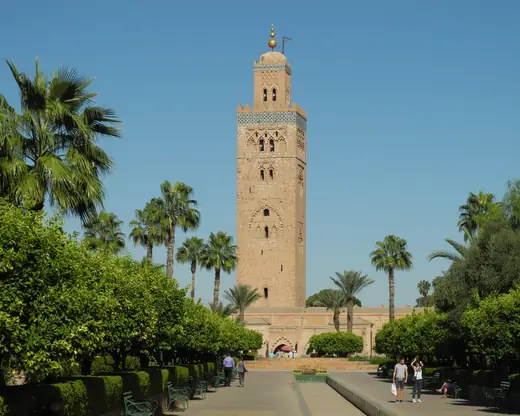
Moroccan mosques: from Fez's ancient to Casablanca's marvels
From Al Quaraouiyine, the oldest university in the world according to UNESCO, to the Hassan II Mosque: an overview of Moroccan mosque tradition, Almohad then contemporary.
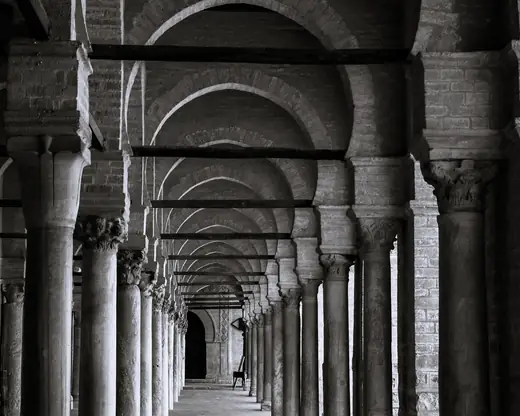
Zitouna and Malek Ibn Anas: Tunisia's most beautiful and largest mosques
Zitouna, the thousand-year-old landmark of Tunis's medina, and Malek Ibn Anas, the contemporary giant of Carthage: two answers to the question "what is Tunisia's largest mosque?"
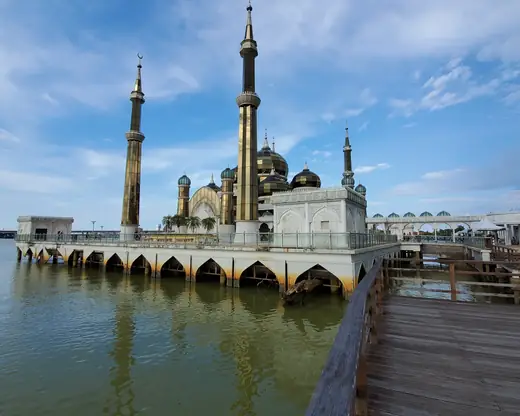
Top 3 most beautiful mosques in Malaysia
Crystal Mosque, Putra Mosque and Masjid Negara: our selection of Malaysia's three most spectacular mosques, between glass, pink granite and 1960s modernism.
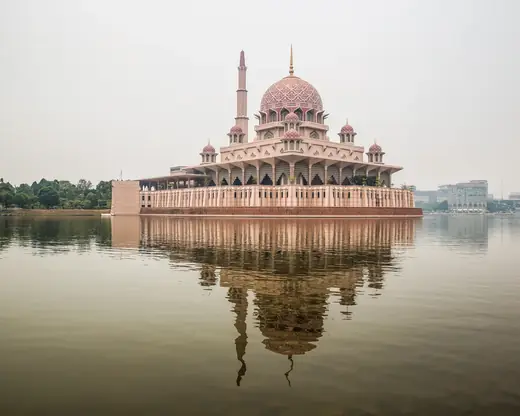
6 unusual mosques off the beaten path
Rammed earth, 99 domes, a golden dome, a mosque buried in a hillside: six places of worship that prove mosque architecture isn't limited to the classic dome and minaret.
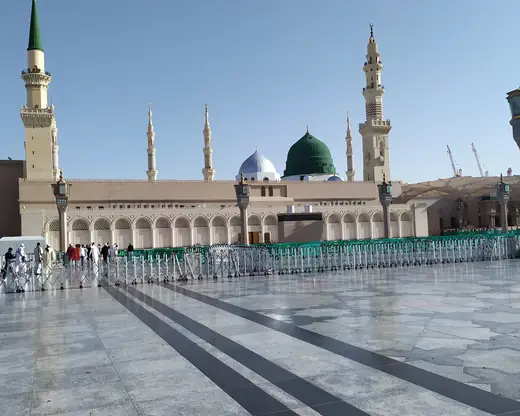
Mecca and Medina: the two holy sites of Islam
Masjid al-Haram and Masjid an-Nabawi: how Islam's two founding sanctuaries have kept growing since the 7th century to become the largest places of worship in the world.
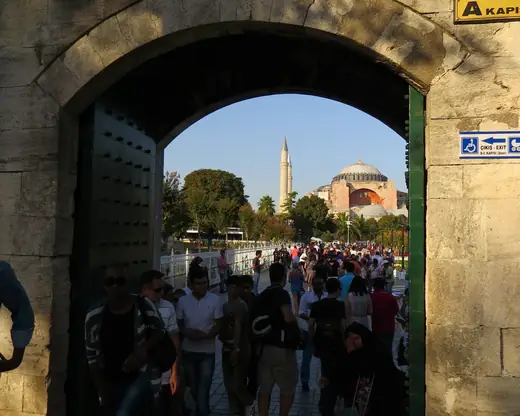
Blue Mosque and Süleymaniye: Istanbul's two Ottoman masterpieces
How the Blue Mosque and the Süleymaniye, built half a century apart, set the style of the imperial Ottoman mosque and shaped Istanbul's skyline.
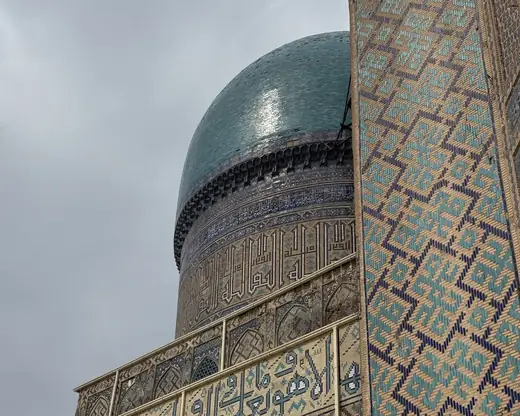
Samarkand, Sarajevo, Tirana: Central Asian and Balkan mosques
From the Timurid grandeur of Bibi-Khanym to the small Et'hem Bey Mosque in Tirana, three mosques that tell the story of Islam's expansion into Central Asia and the Balkans.
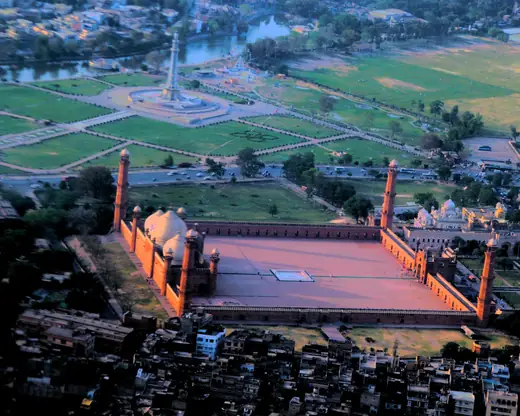
Jama Masjid and Badshahi: the Mughal giants of Delhi and Lahore
How the Mughal emperors Shah Jahan and Aurangzeb built, in Delhi then Lahore, two of the largest mosques in the world in red sandstone and white marble.
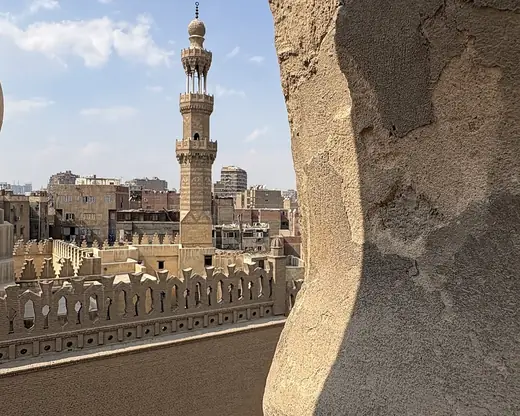
Al-Azhar, Ibn Tulun, Kairouan: North African roots of Islamic architecture
Three founding mosques of Egypt and Tunisia, featuring the oldest university in the world, a unique spiral external ramp, and the oldest minaret still standing in the Islamic world.
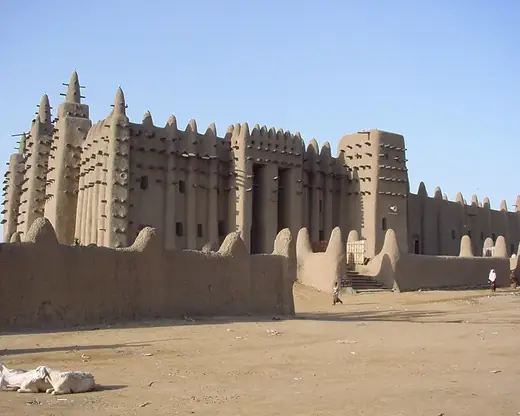
Djenné, Larabanga, Bobo-Dioulasso: the art of banco in West Africa
Three great rammed-earth mosques from Mali, Ghana and Burkina Faso, maintained every year by their communities in the Sudano-Sahelian architectural style.
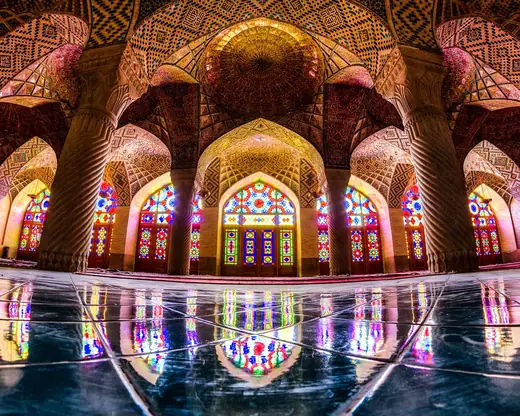
Nasir al-Mulk and Sheikh Lotfollah: Iranian mosques of light
In Shiraz and Isfahan, two Iranian mosques that turn filtered light into a building material in its own right, one through its coloured stained glass, the other through its minaret-free dome.
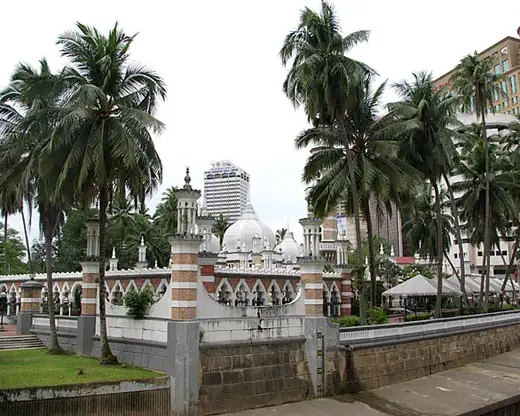
Putra and Masjid Jamek: two faces of Muslim Malaysia
Putrajaya's contemporary pink mosque and Kuala Lumpur's founding colonial mosque: two ways of telling the story of Islam in Malaysia, a century apart.
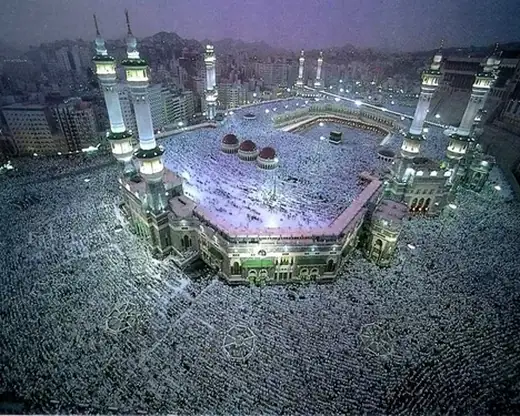
From the Hira Cave to Quba Mosque: foundational sites of Islam
How a meditation cave, a first revealed verse and a stage of the Hijra gave birth to Islam, to its first mosque, and to the place where the direction of prayer changed.
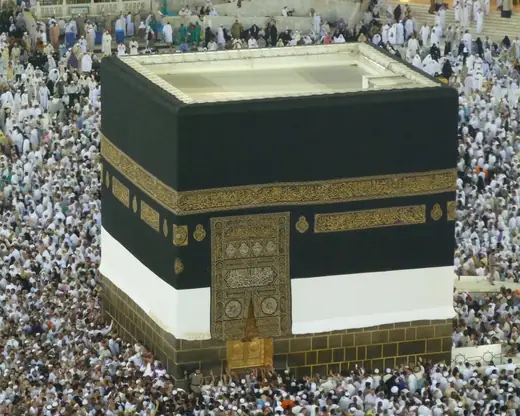
The miqats: the five sacred boundaries before Mecca
What is a miqat? Presentation of the five sites, Dhu'l-Hulayfah, Juhfah, Qarn al-Manazil, Dhat Irq and Yalamlam, where pilgrims enter the state of Ihram before entering Mecca.
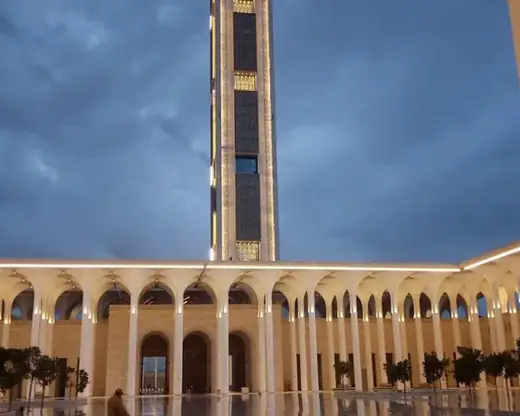
Djamaa El Djazair vs Hassan II: the duel of North Africa's giants
265 metres against 210 metres, Sino-German seismic engineering against Andalusian-Moroccan craftsmanship: comparing the Great Mosque of Algiers and the Hassan II Mosque in Casablanca.
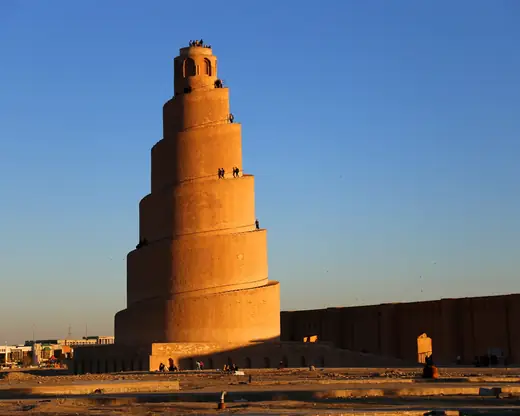
Samarra: the spiral minaret that never had a staircase
In Iraq, the Malwiya minaret of the Great Mosque of Samarra rises on a 52-metre spiral ramp, with no staircase at all. History, architecture and a heritage site in danger.
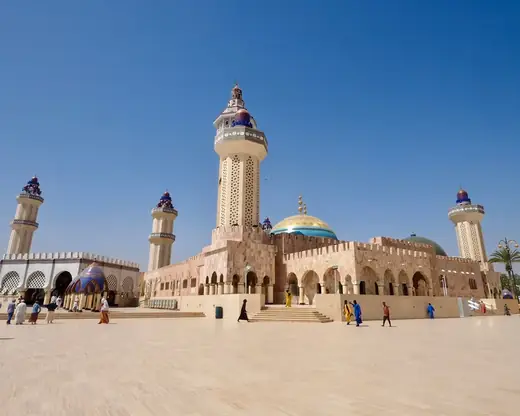
Touba: the Senegalese city that stops every year for the Grand Magal
Every year, Touba comes to a near standstill for the Grand Magal. The story of its Great Mosque, from the Lamp Fall minaret to the mausoleum of Cheikh Ahmadou Bamba.
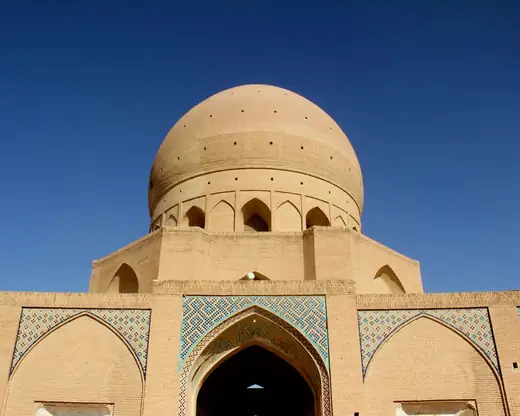
Isfahan: 1,200 Years of Calligraphy on One Façade
The Friday Mosque of Isfahan carries the mark of nearly every Iranian dynasty since the 8th century: Seljuk domes, a four-iwan plan, Safavid decoration.
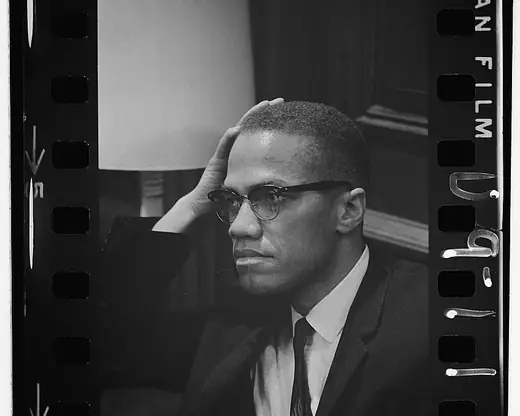
Malcolm X in Mecca: The Letter That Changed Everything
In April 1964, Malcolm X performed the pilgrimage to Mecca. What he witnessed there transformed his worldview, recounted in a letter that became historic.
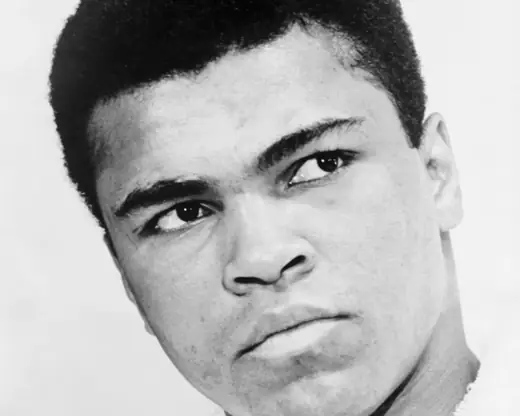
Muhammad Ali: The Faith Behind the Champion
From his conversion to Islam to funding two mosques in the United States, the century's most famous boxer was also a man on a spiritual quest.
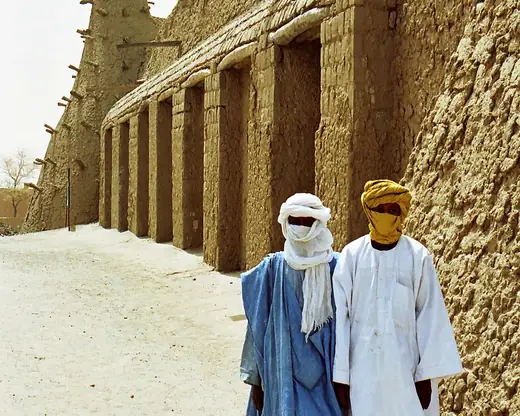
Mansa Musa: History's Richest Man Left a Mosque in Timbuktu
Ruler of the Mali Empire, Mansa Musa is regarded as the richest person in all of history; from his pilgrimage to Mecca, he brought back the Djinguereber Mosque in Timbuktu.