
Home › Blog › Al-Baqi, ground without names
Medina, Saudi Arabia · 7 min read
Here, no grave bears a name
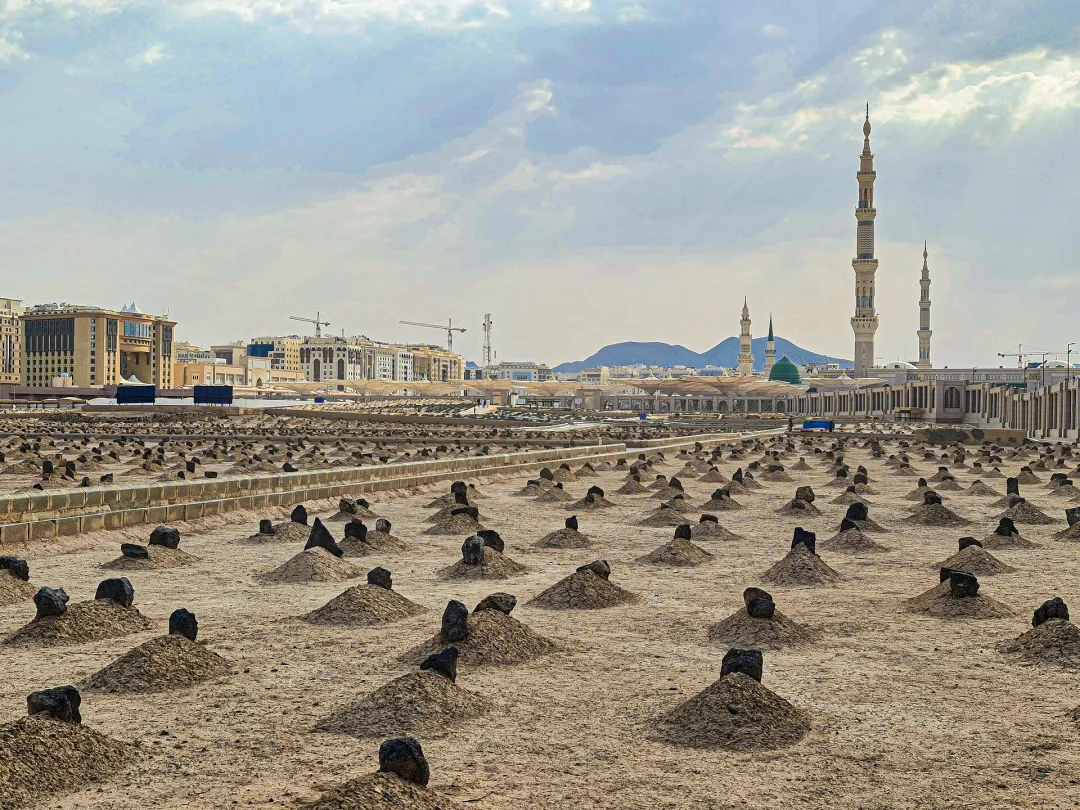
At Medina, a few steps from the Prophet's Mosque (peace and blessings of Allah be upon him), there is a piece of ground that visitors cross in silence. No domes, no slabs, no engraved names. Stones laid out, all alike, as far as the eye goes. It is the one place in an immense city where nothing sets anyone apart.
What you see
Begin there, because it is what strikes you and nothing prepares you for it.
All around, Medina is a city of towers, cranes and marble. The neighbouring mosque covers hectares, its minarets rise past a hundred metres, its courtyards hold hundreds of thousands of people. Then you cross a boundary, and there is nothing.
Earth and gravel. Low mounds, barely higher than the ground. On each of them one or two unworked stones, set down. No inscription. No slab. No structure.
And it carries on, across the whole surface, without a single variation.
There is no path laid out through it, no numbering, no plan at the entrance. Nothing tells a visitor where to walk or where to stop. The ground is simply there, level and open, and the eye finds nothing to fix on except the repetition of the same low shape.
What it is
The place is called al-Baqi. It has been Medina's cemetery since the earliest days of Islam, and it has never stopped being one.
Companions of the Prophet (peace and blessings of Allah be upon him) were buried there, members of his family, and an incalculable number of men and women whose names nobody kept. Fourteen centuries of burials on the same ground.
We will name nobody in this article, and that is a decision, not a gap. Naming would rebuild in writing the hierarchy the place does not display, and would lead into questions of identification that are not settled. That is not our subject.
A date that has to be given
Here is the point where it would be easy to lie by omission.
The cemetery's present appearance dates from the 1920s.
We say it because without that date a reader would take what they see for the ancient nature of the place, and that would be false. Describing the present while passing it off as a fourteen-century constant is not neutrality, it is an error.
What that produces
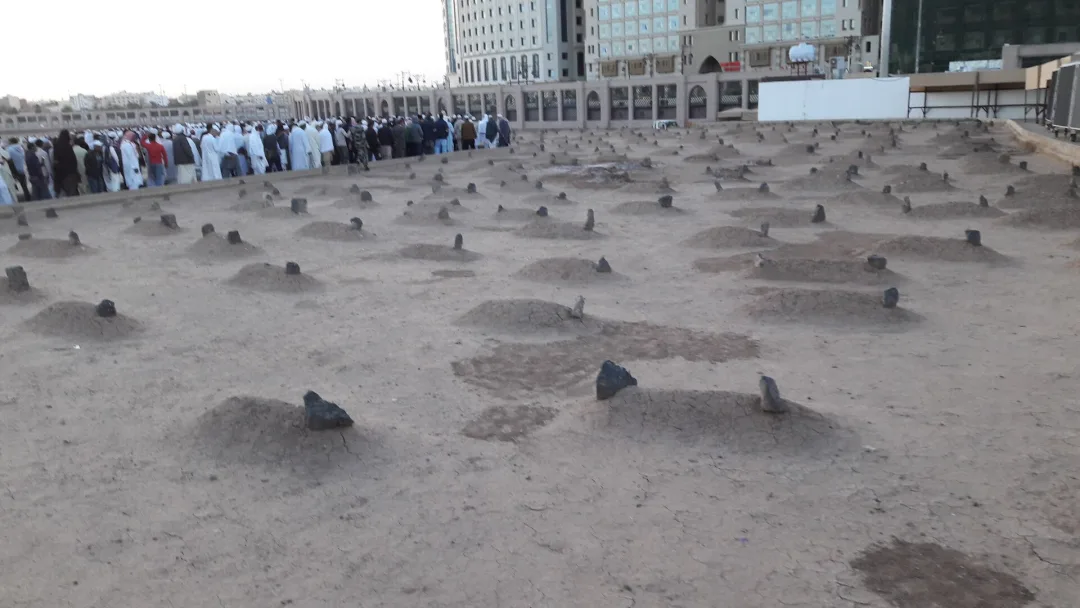
Today nothing on the ground shows who lies where.
Note the wording. We do not write that the knowledge is lost, which would be a claim about the state of scholarship. We write what a visitor observes: the surface carries no indication.
The consequence is immediate, and it is the subject of this page. A companion and a pilgrim who died last night occupy the same space, under the same stone, with the same absence of inscription. Nothing in the ground distinguishes the most considerable from the most anonymous.
In a city where everything is immense, where every building announces its importance by its size, this is the one place where nothing sets anyone apart.
The pilgrims
There is another reason this ground keeps filling.
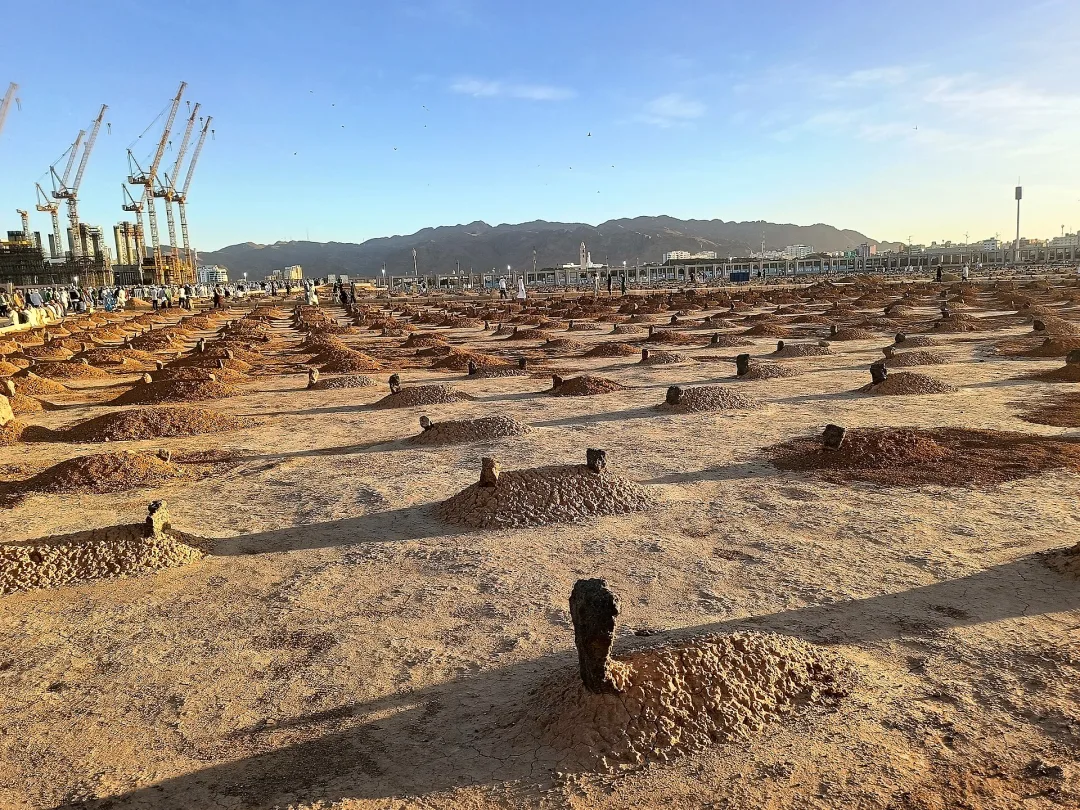
Every year, pilgrims from all over the world die at Medina during their journey. It is a constant fact, mechanical even: when several million mostly elderly people make a long journey, some do not come back. Many rest here.
They came from Java, from Morocco, from Senegal, from the Caucasus. We name those four origins for the geographical span they trace, not because they are the most represented: we have no figures, and we will give none.
What that means is simple. The ground receives, in the same soil and under the same absence of marking, people separated by fourteen centuries and by half the globe.
The words
On these stones nothing is written.
But those who pass say the same words, the ones said on learning of a death: we belong to God, and to Him we return.
We give the sense in English and do not display them in Arabic. That is not carelessness: a formula of this kind badly rendered on screen would be worse than its absence, and we have no way of having the display checked by someone who reads the language. The sense is enough, and those who know it will recognise it.
What we do not say
No names, as explained, neither in the text nor in the choice of images: photographs whose title identifies a particular grave have all been set aside.
No superlative. We write "a companion", never "the closest": a superlative is a hierarchy, and that one is not settled.
Nothing on the practicalities of visiting. Practices vary between schools, and we describe what the place is, never how one ought to behave there. It is a constant rule of this site.
No lesson. It would be easy to close on humility, or on equality before death. We refrain. The place is sufficient, and an added moral would weaken it.
A note on the images
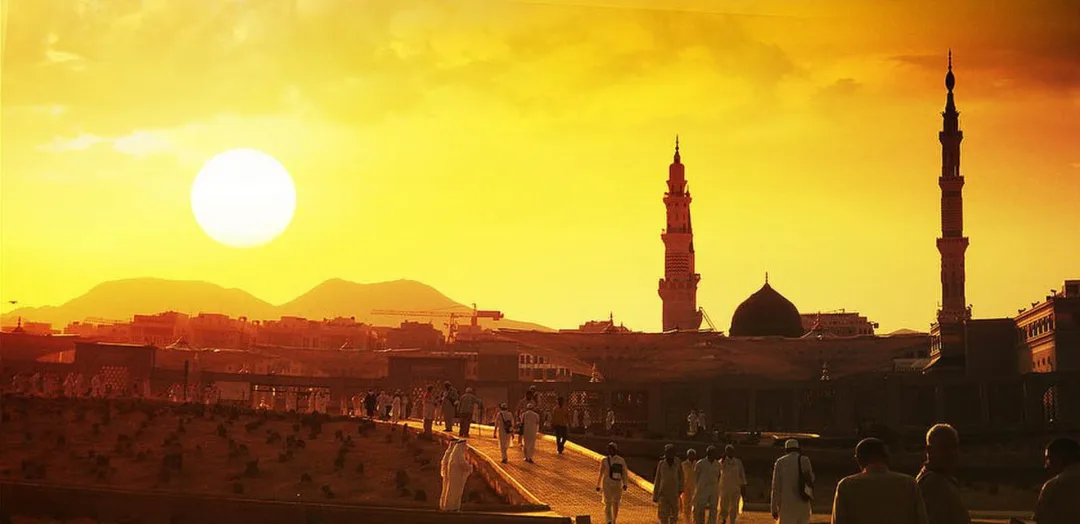
Every photograph in this article is a contemporary view under a free licence, and that deserves an explanation.
We considered older photographs, easier to obtain since they are in the public domain. We set them aside for a substantive reason: they show the structures that have gone, and would therefore contradict the text, which describes bare ground. An image and a sentence that deny each other is the worst of both worlds.
Two others were set aside: one because a face is identifiable in the foreground, the other because it shows an open grave in close-up, which falls outside the register of this page.
Our sources
The description of the place rests on the freely licensed contemporary photographs reproduced here, whose authors are credited on our image credits page.
The date of the 1920s for the present appearance is the one reported by the available sources on this cemetery.
For the context of Medina and the neighbouring mosque, see our series on Masjid an-Nabawi.
Discover
Mosques mentioned in this article
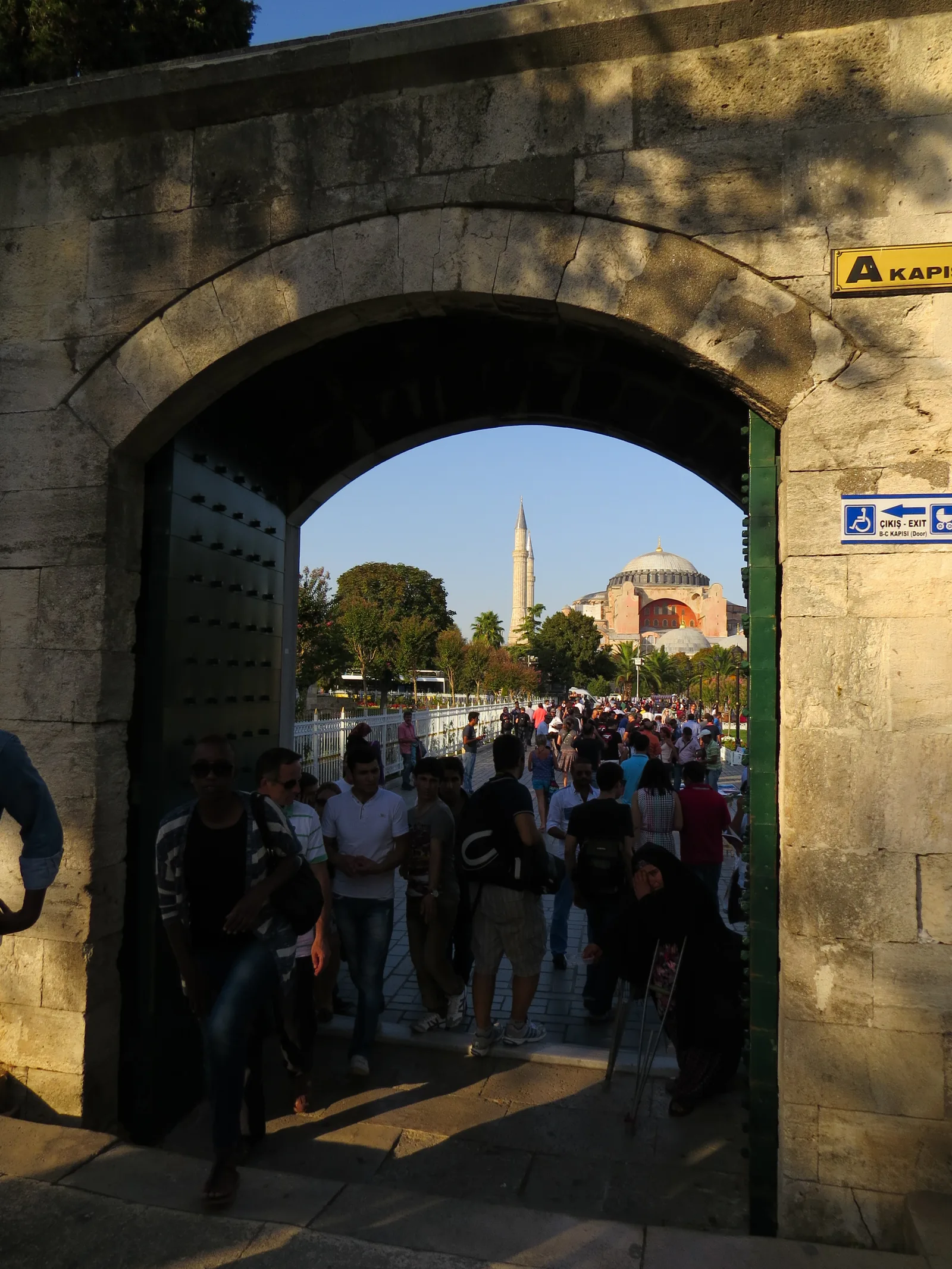
Blue Mosque (Sultan Ahmed)
Six minarets, a cascade of domes and over 20,000 Iznik tiles: the icon of Istanbul.
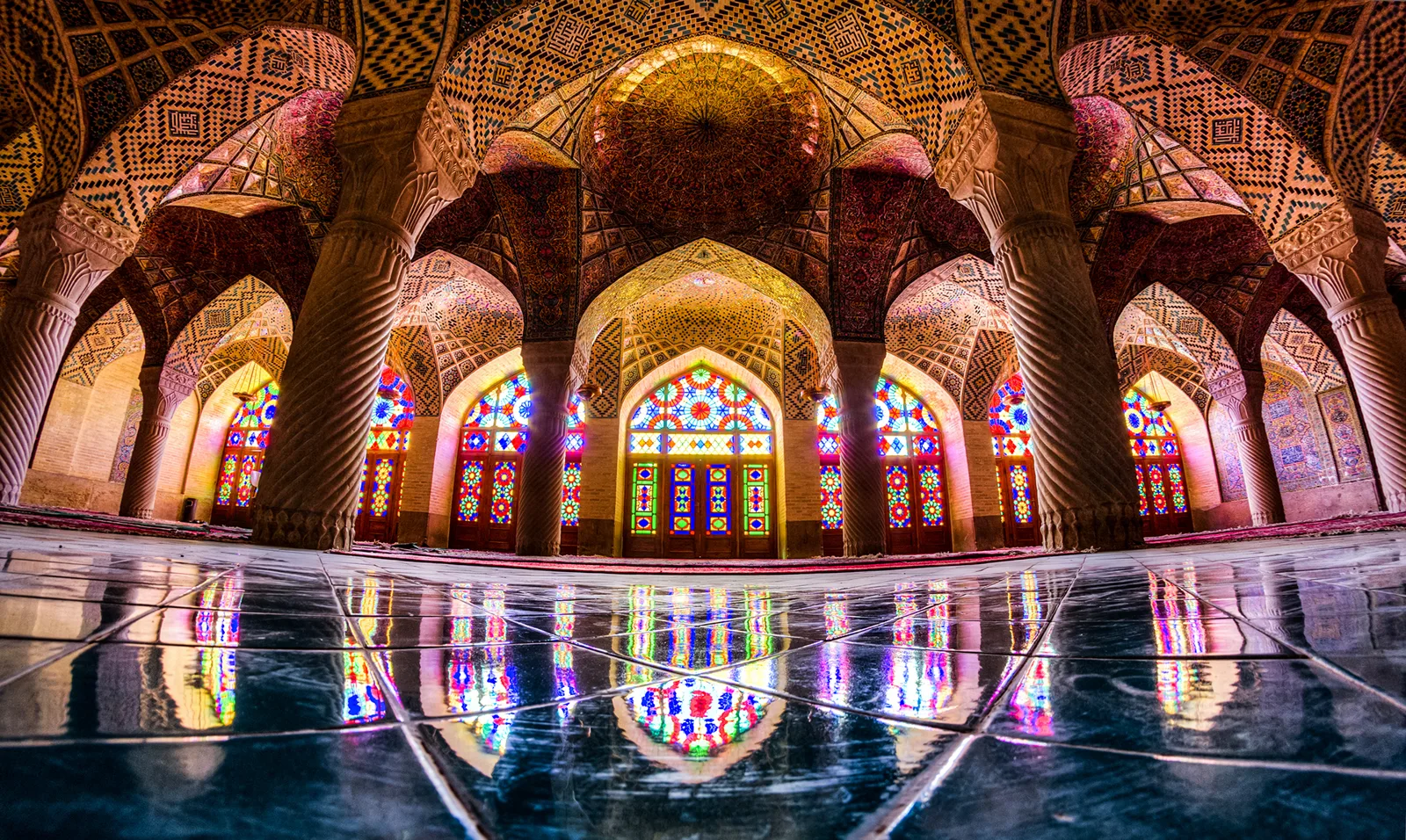
Nasir al-Mulk Mosque
Shiraz's "Pink Mosque", whose stained-glass windows turn every morning prayer into a kaleidoscope.
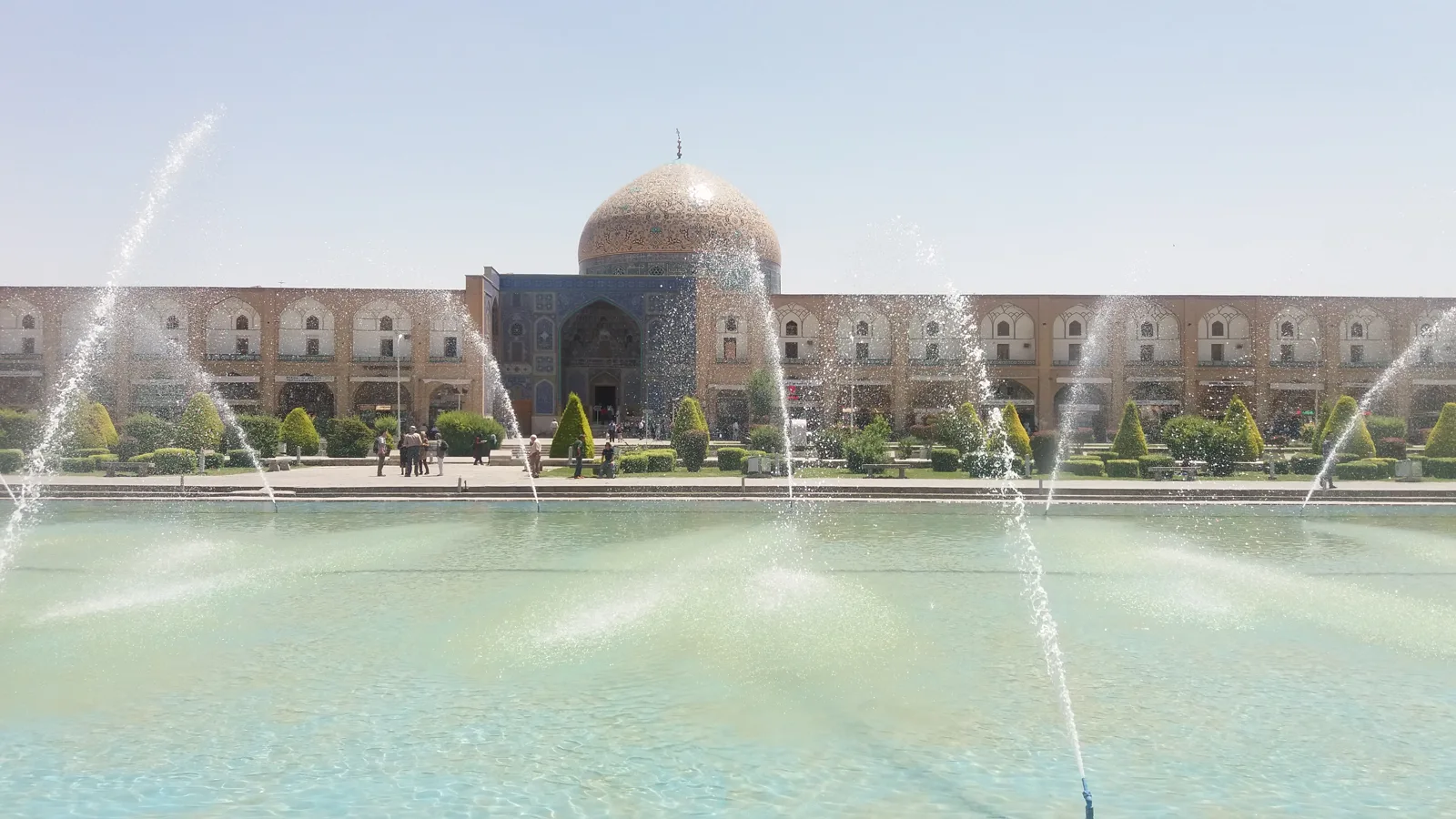
Sheikh Lotfollah Mosque
The Safavid jewel of Naqsh-e Jahan Square: no minaret, no courtyard, but Iran's most beautiful dome.
About this page's content: this site offers editorial and cultural content written with care and respect for the religious traditions concerned; it does not constitute a theological opinion or a source of religious authority. Despite our checks, errors, inaccuracies or approximations may remain. If you spot one, please let us know via the Contact page or by email at qibla.mosk@gmail.com, and we will correct it gratefully.