History
History
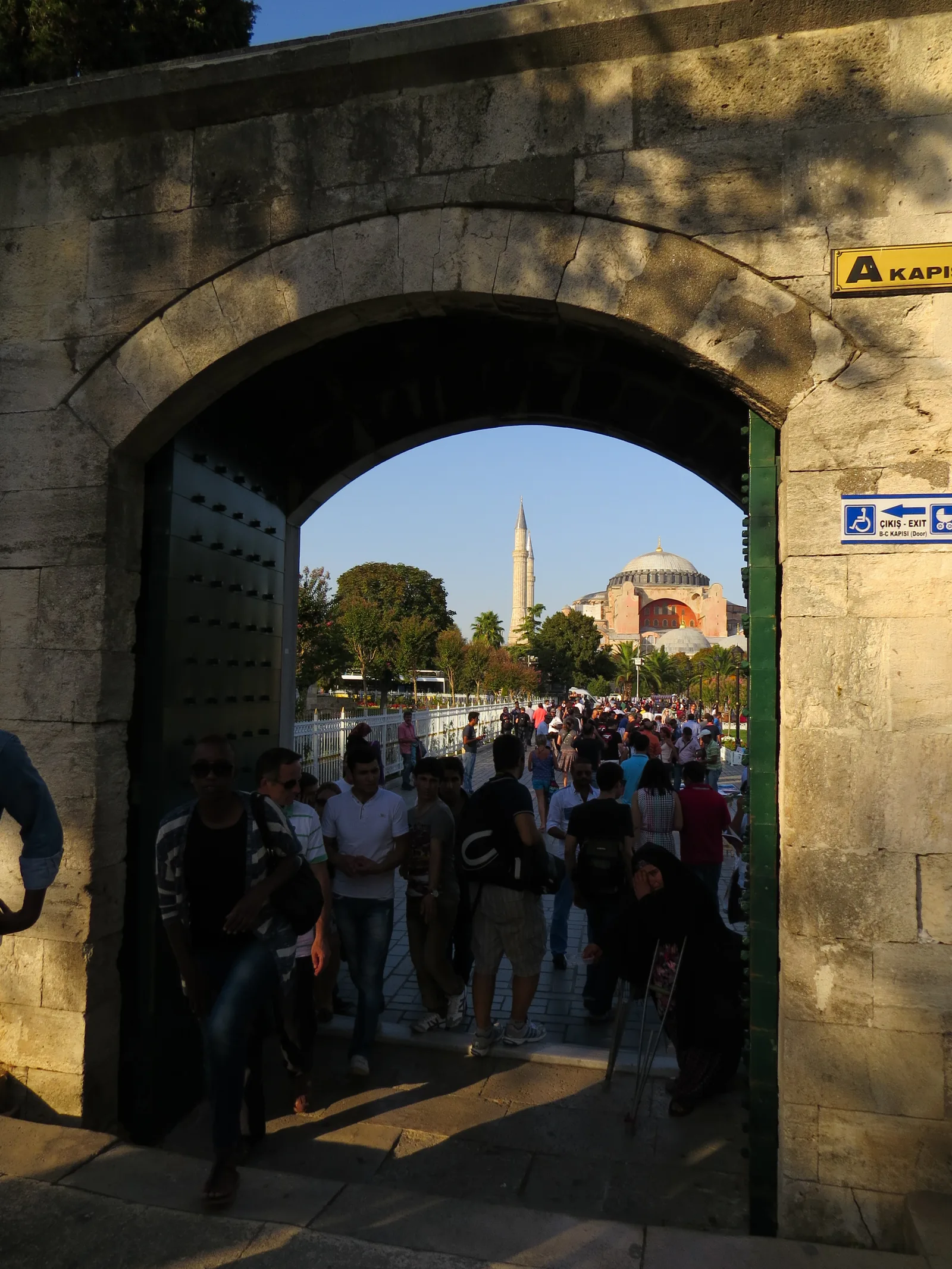
Built between 1609 and 1616 for Sultan Ahmed I, facing Hagia Sophia, the Sultan Ahmed Mosque is the pinnacle of classical Ottoman architecture. Its architect, Sedefkâr Mehmed Ağa, a disciple of a student of Sinan, composed a cascade of domes and half-domes reaching 43 metres, held up inside by four massive fluted columns visitors nickname the "elephant feet", each more than five metres in diameter. Raising such an imperial monument without funds from a major military victory, unlike the usual Ottoman practice, only added to the ambition of the project: to build, directly facing the former Byzantine basilica turned mosque, a monument able to rival it.
Its nickname "Blue Mosque" comes from the more than 20,000 predominantly blue and turquoise Iznik faience tiles, decorated with floral motifs (tulips, carnations, cypress trees), lining the interior and lit by over 200 stained-glass windows. Demand was so great that the Iznik workshops in Anatolia had to produce at an unprecedented pace and scale to fulfil the imperial commission. Its six minarets, exceptional for the time, sparked a resounding controversy across the Muslim world.
The Sultan Ahmed Mosque remains an active place of worship today, closed to non-worshipping visitors during the five daily prayers. It underwent a major restoration that began in the 2010s and was completed in the early 2020s, allowing the scaffolding that had covered part of the building for several years to finally come down and restoring the full splendour of its facade and interiors.
Anecdotes & highlights
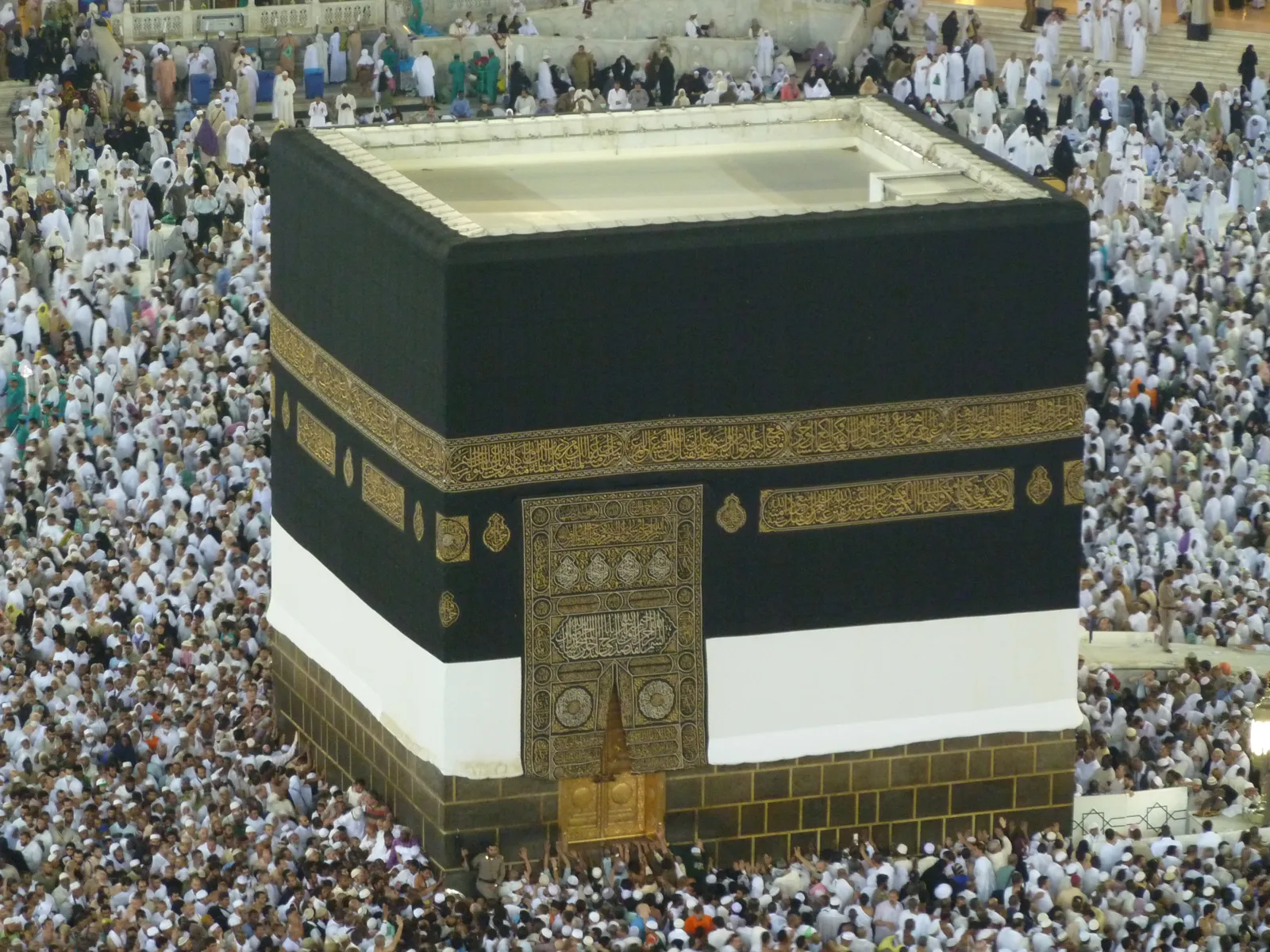
- Its six minarets equalled those of the Masjid al-Haram in Mecca: the sultan is said to have funded a seventh minaret for the Mecca sanctuary to smooth over the controversy.
- Legend has it that the architect confused "gold" (altın) and "six" (altı) in the sultan's orders.
- Demand for Iznik tiles was such that it exhausted the workshops and contributed to their decline in the following decades.
- The four "elephant feet" pillars supporting the central dome are each more than five metres in diameter.
- The mosque remains an active place of prayer: tourist access is suspended during the five daily calls to prayer.