
Home › Blog › Muhammad Ali: The Faith Behind the Champion
History · 6 min read · 2026-08-09
Muhammad Ali: The Faith Behind the Champion
The most famous boxer of the twentieth century, Muhammad Ali also spent his entire life on a spiritual quest: from his conversion to Islam to Sunni Islam, then to Sufism, going as far as helping fund two mosques in the United States, even sacrificing three years of his career at its peak to stay true to his convictions.
From a young Louisville boxer to world champion
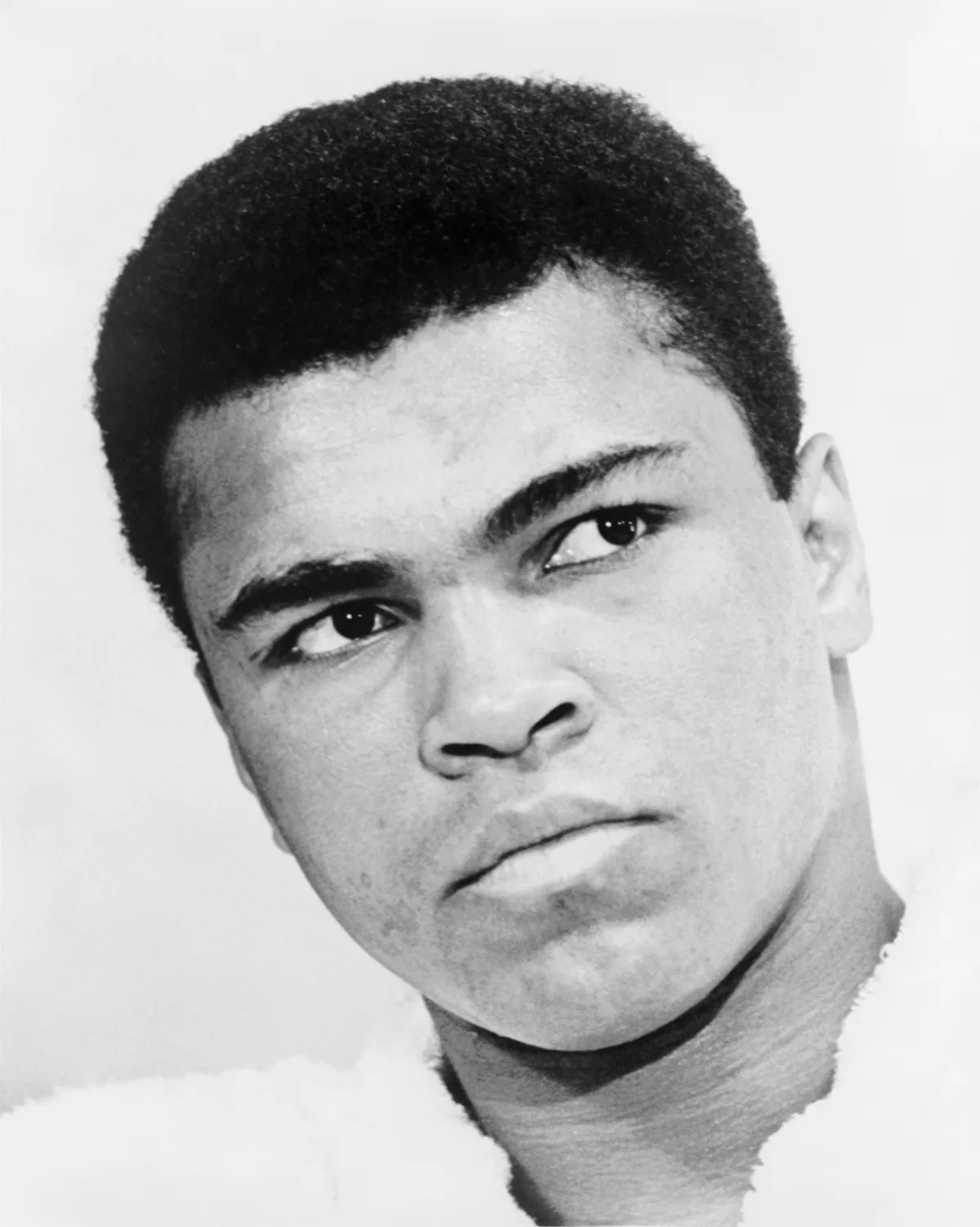
Born on January 17, 1942 in Louisville, Kentucky, and raised in the Baptist faith, Cassius Clay began amateur boxing at the age of twelve. He built an impressive record there, around a hundred wins against only five losses, before winning gold at the 1960 Rome Olympics. He turned professional soon after and, on February 25, 1964, became world heavyweight champion at just twenty-two, upsetting the reigning champion Sonny Liston against all odds.
A conversion to Islam, a new name
In the months leading up to that fight, the young boxer grew close to an African-American religious circle that at the time emphasized Black dignity and pride, in an America still marked by segregation. Among its members, he formed a friendship with Malcolm X in particular. A few days after defeating Liston, he confirmed his conversion to Islam: on March 6, 1964, he took the name Muhammad Ali. He set aside what he called his "slave name," Cassius Clay, a name passed down in tribute to a Kentucky abolitionist of the same name by a grandfather descended from enslaved people, a more nuanced lineage than the phrase Ali himself used, though it changes nothing about his determination to choose his own name.
The price of conviction: refusing the Vietnam War
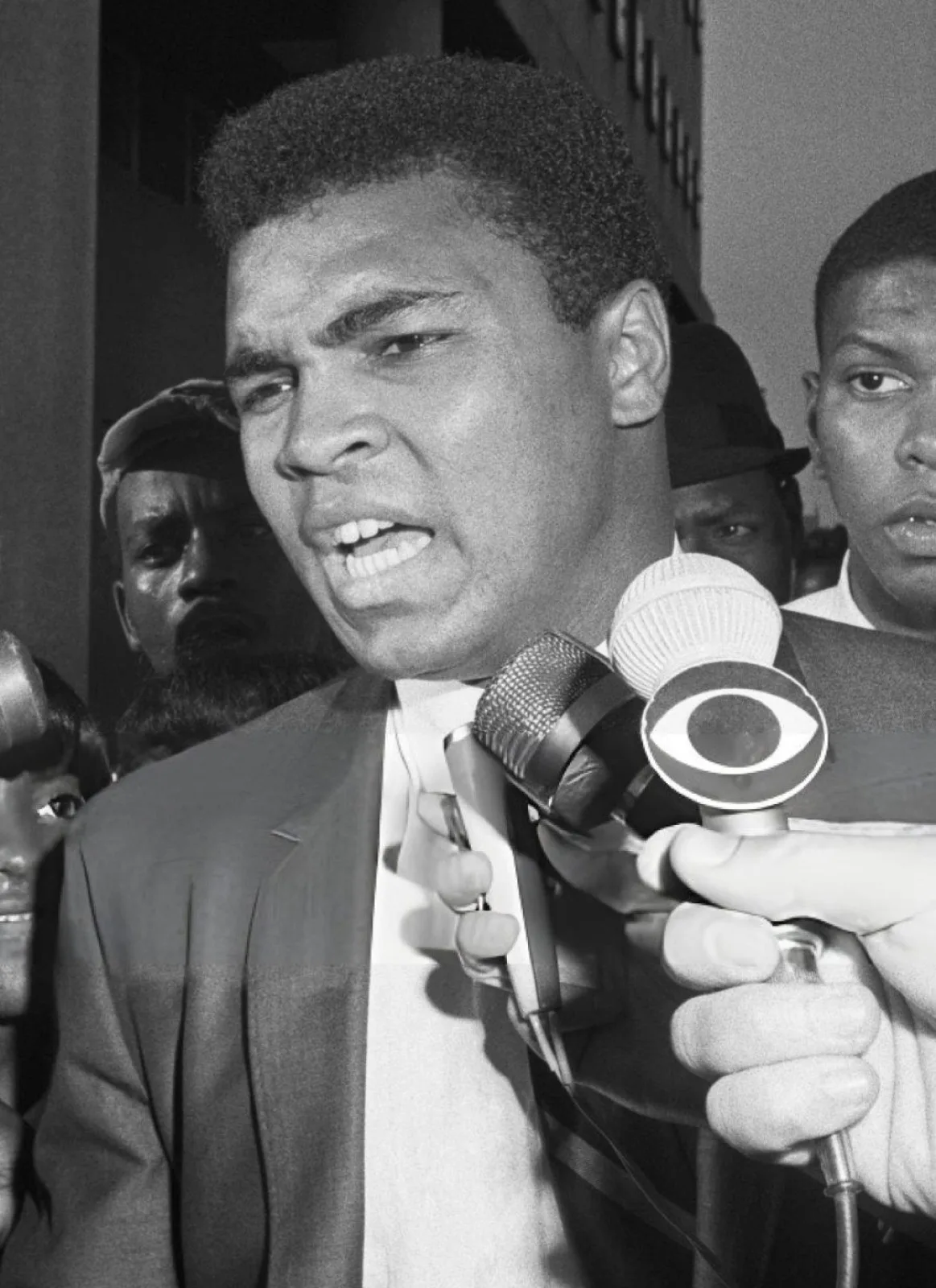
In 1967, Muhammad Ali was called up for the Vietnam War draft. He refused to enlist, citing his faith and his status as a conscientious objector as a minister of the Muslim faith. He then made a statement that became famous: he had "no quarrel with the Viet Cong." The punishment was immediate: he was stripped of his title, his boxing license was suspended in every US state, and he faced prison. His case went all the way to the Supreme Court, which unanimously overturned his conviction in 1971: the justices found that the Justice Department had never specified the legal grounds for denying him conscientious objector status, invalidating the proceedings on procedural grounds. He had sacrificed more than three years of his career, at the peak of his abilities, to stay true to his convictions. Back in the ring, he reclaimed his title in 1974 against George Foreman, in the fight remembered as the "Rumble in the Jungle," in Kinshasa. He also fought Joe Frazier three times, the last of which, the 1975 "Thrilla in Manila," ranks among the greatest fights in boxing history.
Toward Sunni Islam, then Sufism
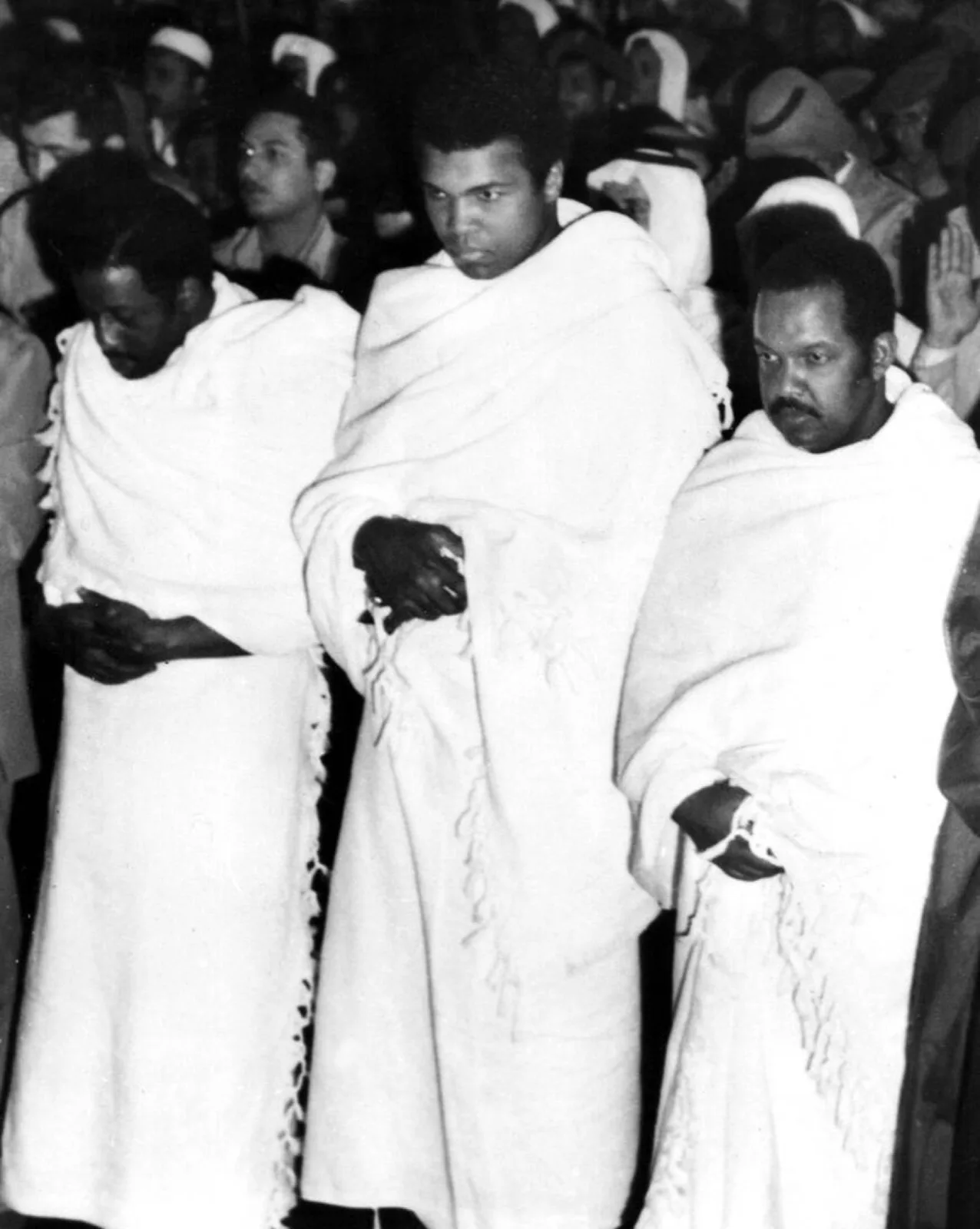
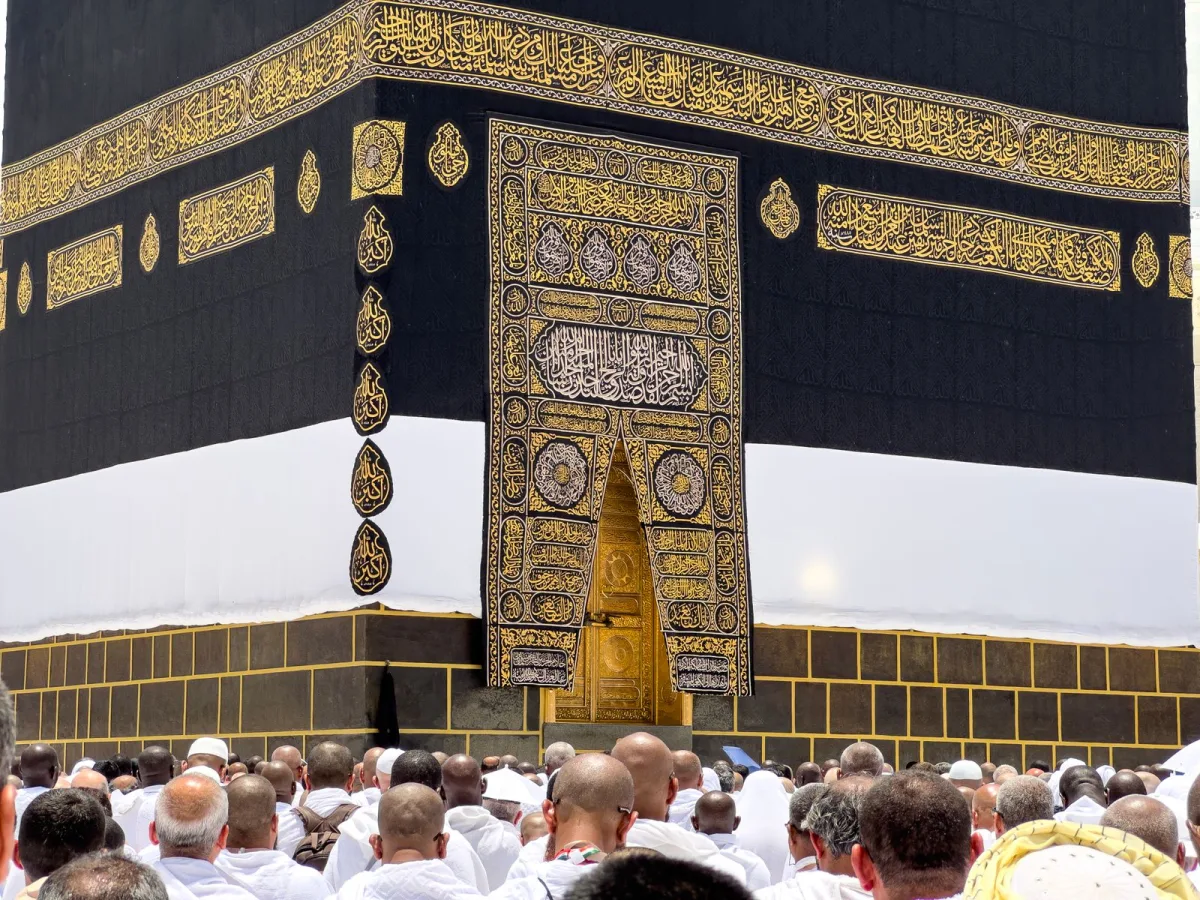
In 1975, upon the death of the religious leader who had guided him until then, Muhammad Ali, following his successor's lead, turned toward Sunni Islam and performed the pilgrimage to Mecca. In the following decades, his spirituality also turned toward Sufism, a mystical tradition within Islam centered on universal love and humility, which he discusses at length in his book The Soul of a Butterfly, co-written with his daughter Hana, filled with Sufi stories and parables on the search for meaning and simplicity of heart. This evolution continued even as Parkinson's disease, diagnosed in 1984, gradually weakened him.
Mosques as a lasting legacy
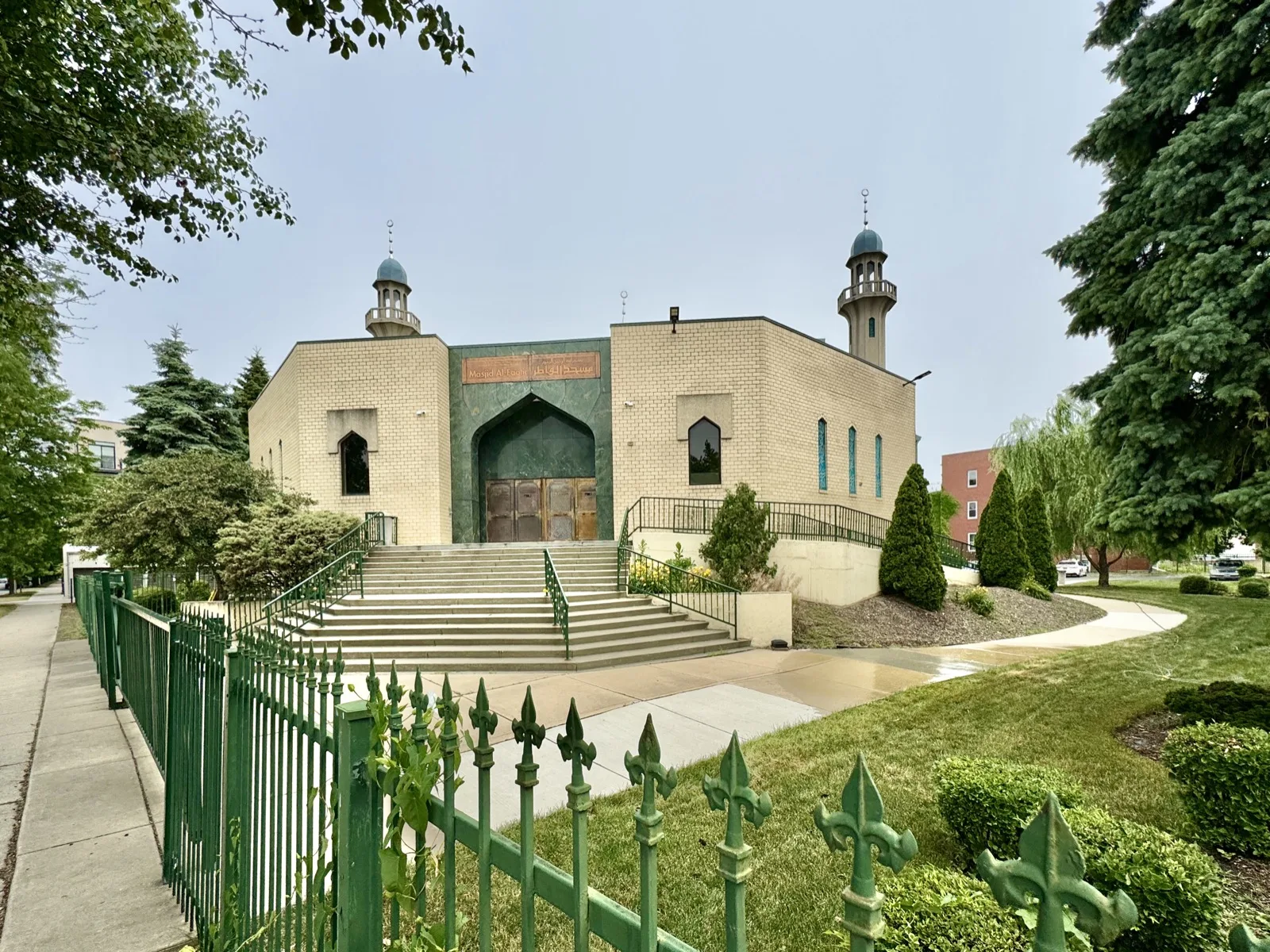
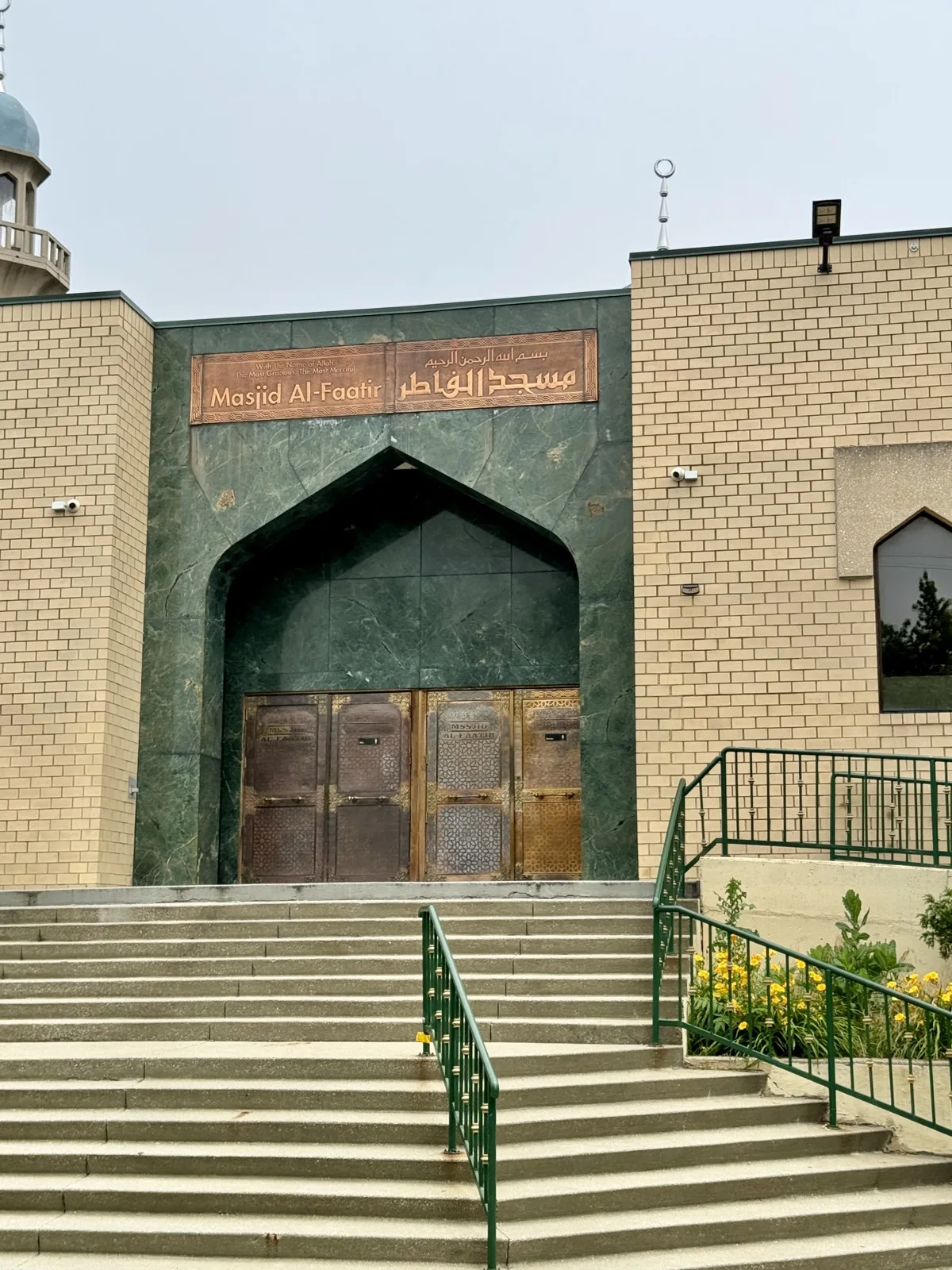
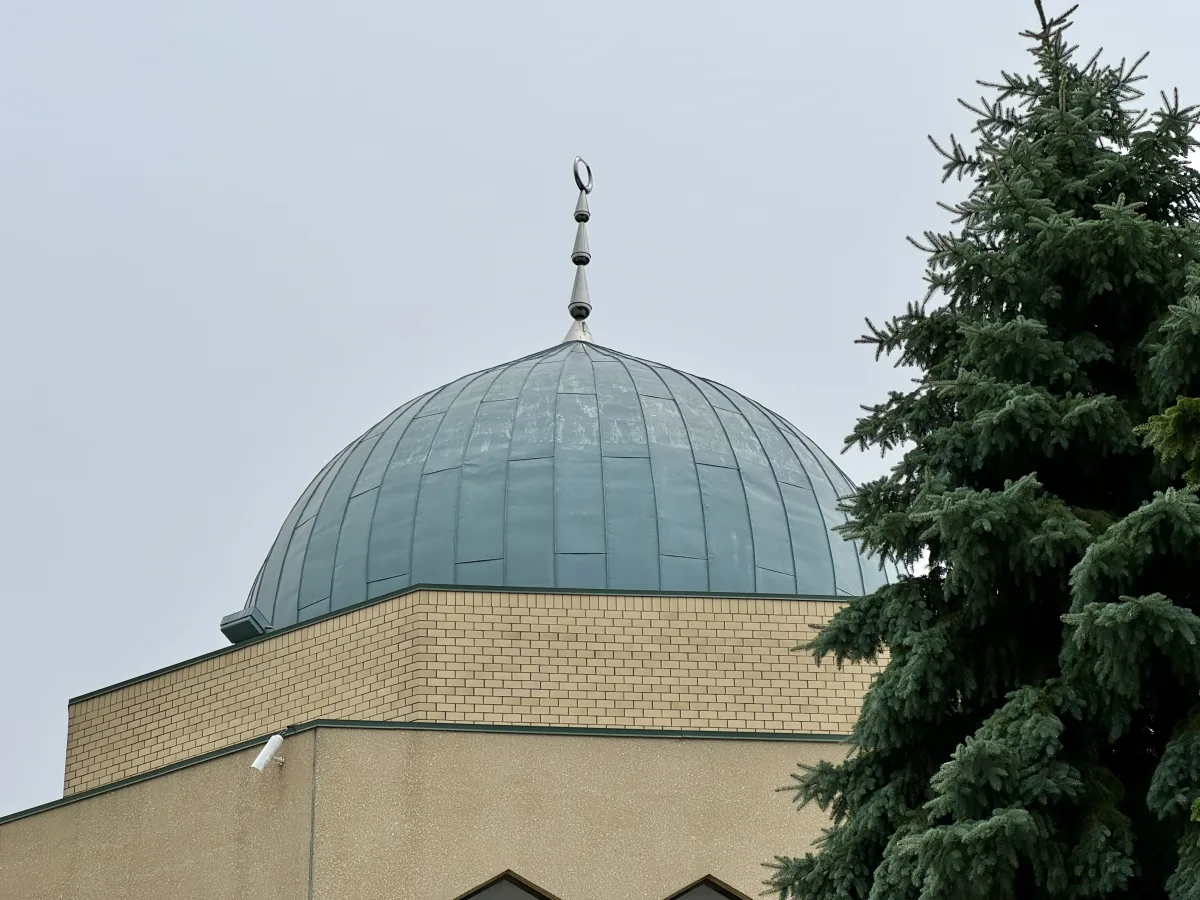
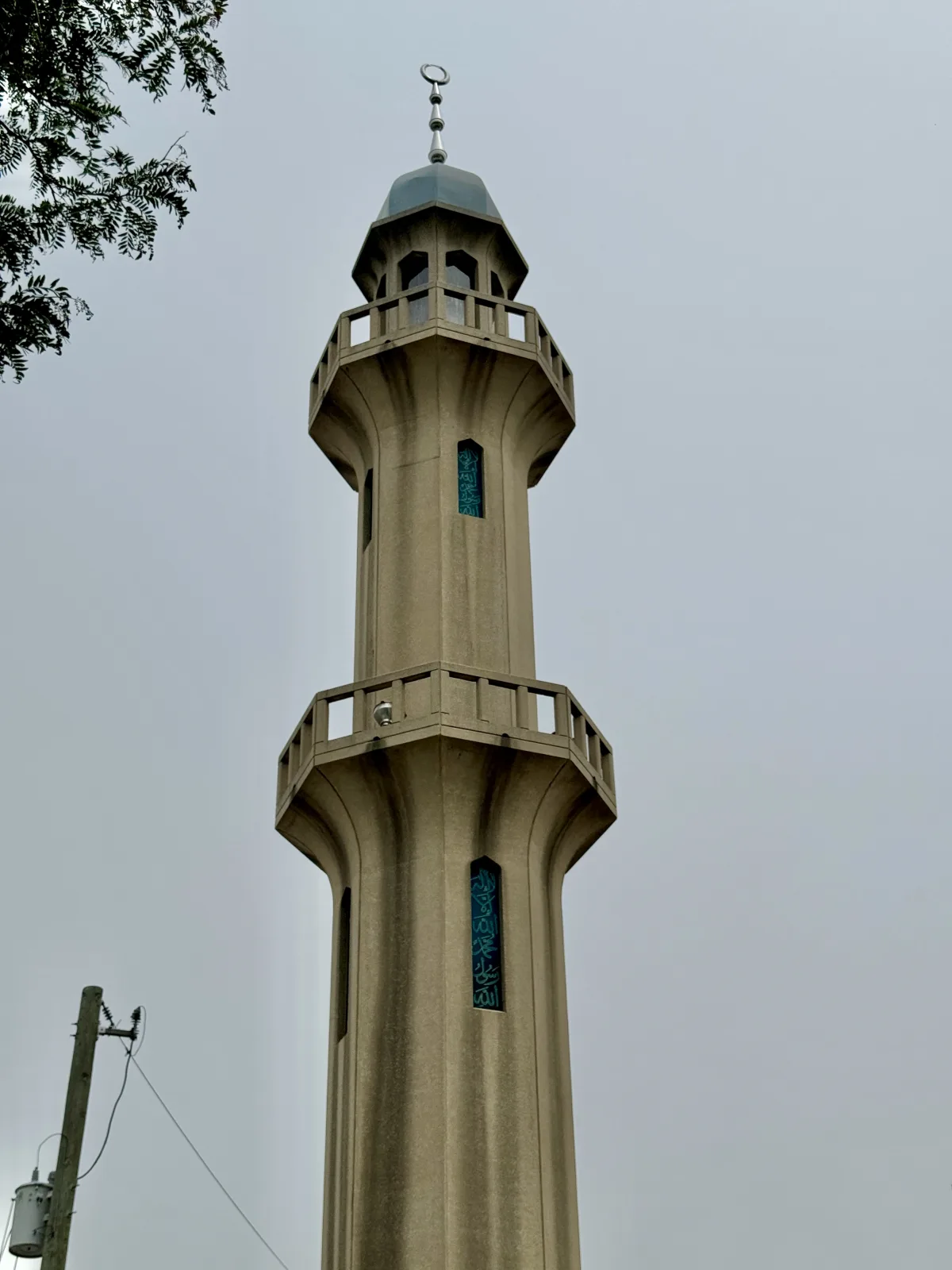
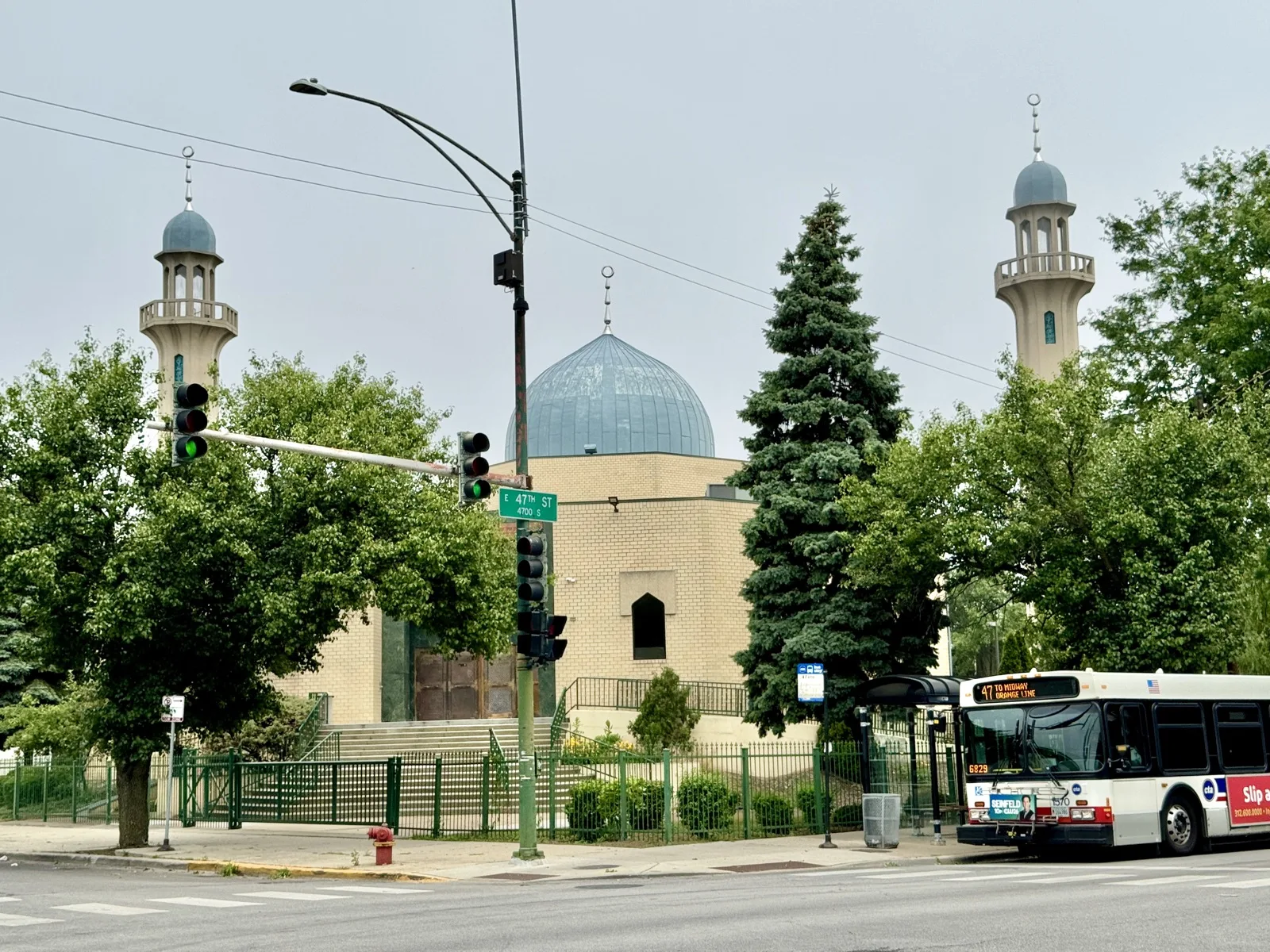
Beyond his own spiritual journey, Muhammad Ali helped bring real places of worship into being. In Chicago, in the Kenwood neighborhood where he himself owned a house, his longtime manager, Jabir Herbert Muhammad, launched the project of a mosque for the neighborhood's Muslim community. Muhammad Ali provided decisive financial support, notably for the land. Construction began in the early 1980s, and Masjid Al-Faatir opened its doors in 1987: with two freestanding minarets, a large central dome, and a plan formed of two connected octagonal sections, it can hold up to three thousand worshippers and remains one of Chicago's largest mosques today, standing in the very neighborhood where Ali once made his home, a tangible link between the champion's private life and the community he chose to support.
In Houston, the Muslim community, which had gathered since the 1950s in a barbershop for lack of a permanent place of worship, was also searching for a space of its own. In 1978, it purchased a former Christian Science church with funds donated by Muhammad Ali and converted it into a mosque: the Houston Masjid of Al-Islam, known today as Masjid WD Mohammed. Damaged by Hurricane Ike in 2008, the building was entirely rebuilt and reopened in 2010, becoming one of the first mosques in the United States built from the ground up incorporating elements of West African architecture.
A broken friendship, later regretted
Muhammad Ali and Malcolm X were close in the early 1960s. But after Malcolm X distanced himself, in 1964, from the religious circle that had brought them together, Muhammad Ali distanced himself from his former friend. Malcolm X was assassinated the following year. In his memoir, published decades later, Muhammad Ali reflected on this episode with deep regret, counting the rift among the greatest mistakes of his life and wishing he had reached out to reconcile with his friend before his death.
In 1996, greatly weakened by illness but determined to appear in public, he lit the Olympic cauldron at the opening ceremony of the Atlanta Games, a trembling gesture that remains one of the most memorable moments in Olympic history. Muhammad Ali died on June 3, 2016, after decades of living with Parkinson's disease. Celebrated worldwide as the greatest boxer in history, he also lived his life as a long and sincere spiritual quest, perhaps as remarkable as his feats in the ring.
Read more
Related articles
Malcolm X in Mecca: The Letter That Changed Everything
A friend, then a rival of Muhammad Ali within the same religious circle, Malcolm X also experienced a transformative conversion during his own pilgrimage to Mecca in 1964.
The miqats: the five sacred boundaries before Mecca
Before entering the sacred state for the hajj, as Muhammad Ali did in the 1970s, every pilgrim crosses one of the five miqats set by prophetic tradition.
About this page's content: this site offers editorial and cultural content written with care and respect for the religious traditions concerned; it does not constitute a theological opinion or a source of religious authority. Despite our checks, errors, inaccuracies or approximations may remain. If you spot one, please let us know via the Contact page or by email at qibla.mosk@gmail.com, we will correct it gratefully.