
Home › Blog › The clock of the Muhammad Ali Mosque
Cairo · Egypt · 7 min read · 2026-09-20
The clock of the Muhammad Ali Mosque has never told the time
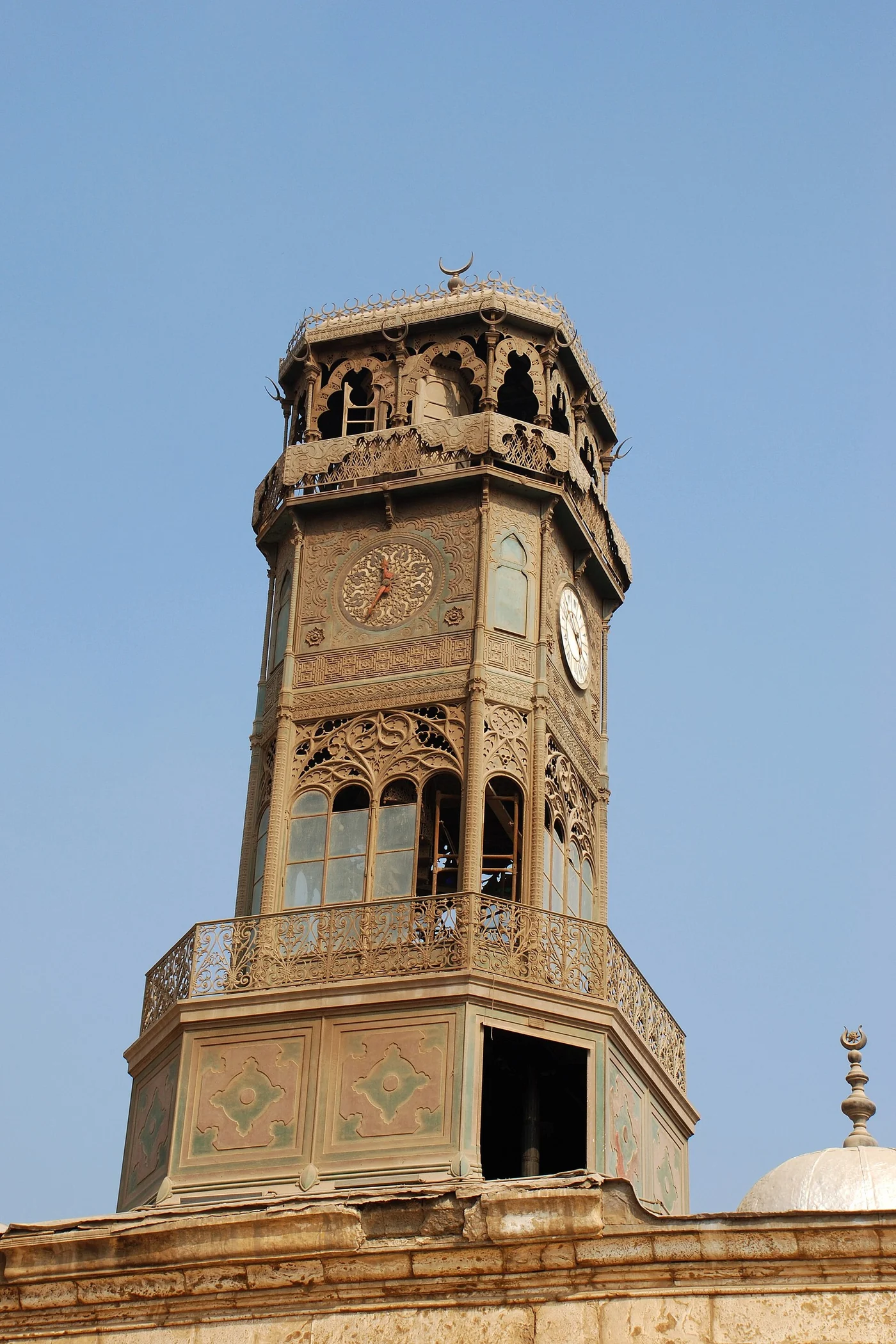
In the courtyard of the Muhammad Ali Mosque, in the Cairo Citadel, a stone tower carries a clock with four faces. It arrived from Europe in 1845. It has never told the time.
A gift that arrived broken
The clock was a present from the French king Louis-Philippe to Muhammad Ali, viceroy of Egypt. It left France and reached Cairo in 1845. The accounts agree on one point that guides have repeated ever since: it was damaged in transit, and nobody ever managed to get it going. One hundred and eighty years later it is still there, and still stopped.
The detail is surprising in so carefully built a complex. The mosque is the most visible building in Cairo, set on the spur of the citadel and seen from half the city. And its one piece of European machinery is a breakdown.
The story people tell
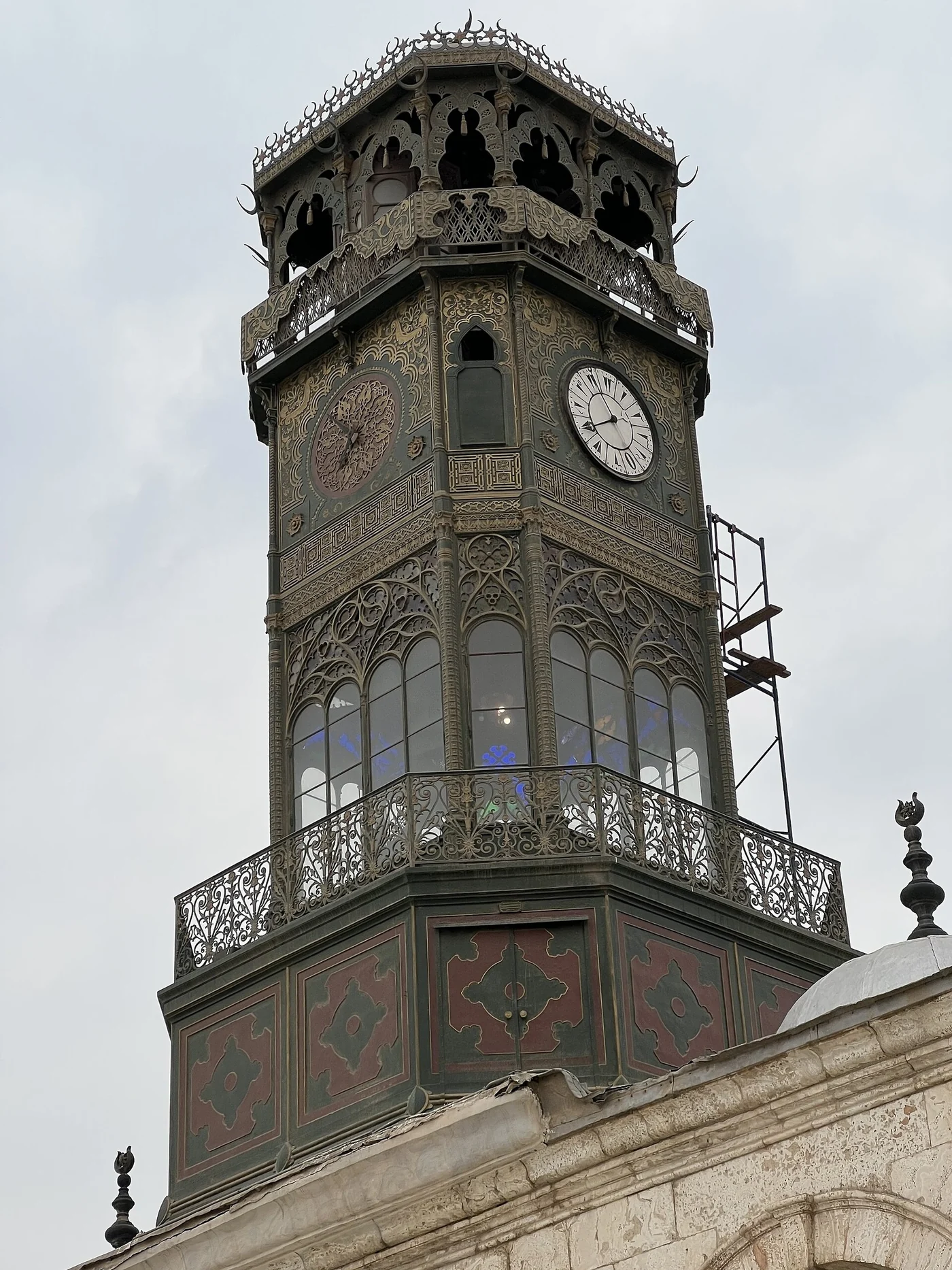
In guidebooks, on panels and in most articles, the clock always comes with the same sentence: it was given in exchange for the Luxor obelisk, the one that now stands in the middle of the Place de la Concorde in Paris. The anecdote is attractive because it closes on itself: France gets a three-thousand-year-old monument, Egypt gets a clock that does not work.
It travels all the more easily because both objects do belong to the same diplomatic relationship, the one binding Muhammad Ali to the France of his day. But belonging to the same relationship is not the same as being the price of the other.
What the dates say
The chronology of the obelisk is documented and precise. Muhammad Ali gave it to France in 1830. The monolith was lowered, shipped, and reached France in 1833. It was raised on the Place de la Concorde on 25 October 1836, before a considerable crowd and before the king himself.
The clock reached Cairo in 1845. Nine years after the obelisk stood up in Paris, and fifteen years after the gift was made. An exchange settled nine years late is no longer an exchange, it is a different matter.
Egypt's Supreme Council of Antiquities says as much without hedging: the obelisk has nothing to do with the clock given by Louis-Philippe. We report the popular story because it is everywhere, and we report what the institution that looks after the monument thinks of it.
The tower came after the clock
What followed is the least told part, and the most striking. When the clock arrived in 1845 the mosque was not finished. Work had begun in 1830 and would not end until 1848, with fitting out continuing after that.
So the clock was set down elsewhere, in the Shubra palace. It stayed there for years. Then, under Said Pasha, a tower was built for it in the mosque courtyard, and it was installed there in 1855, ten years after reaching Egypt.
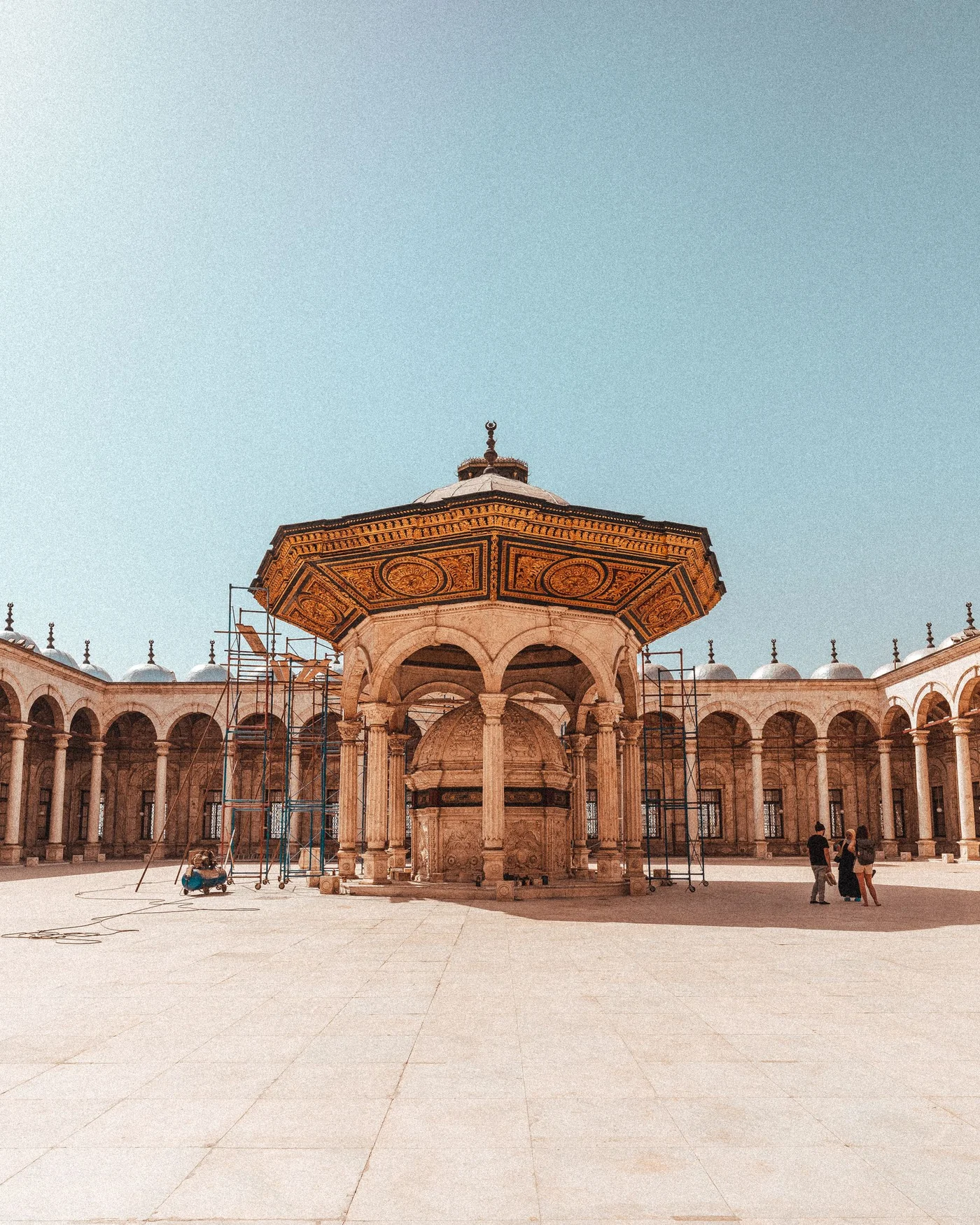
The order of operations deserves to be said that way round: the clock did not find a tower, a tower was built for the clock. A stone structure, in the courtyard of a new mosque, to house a mechanism already known not to work.
The building that houses it
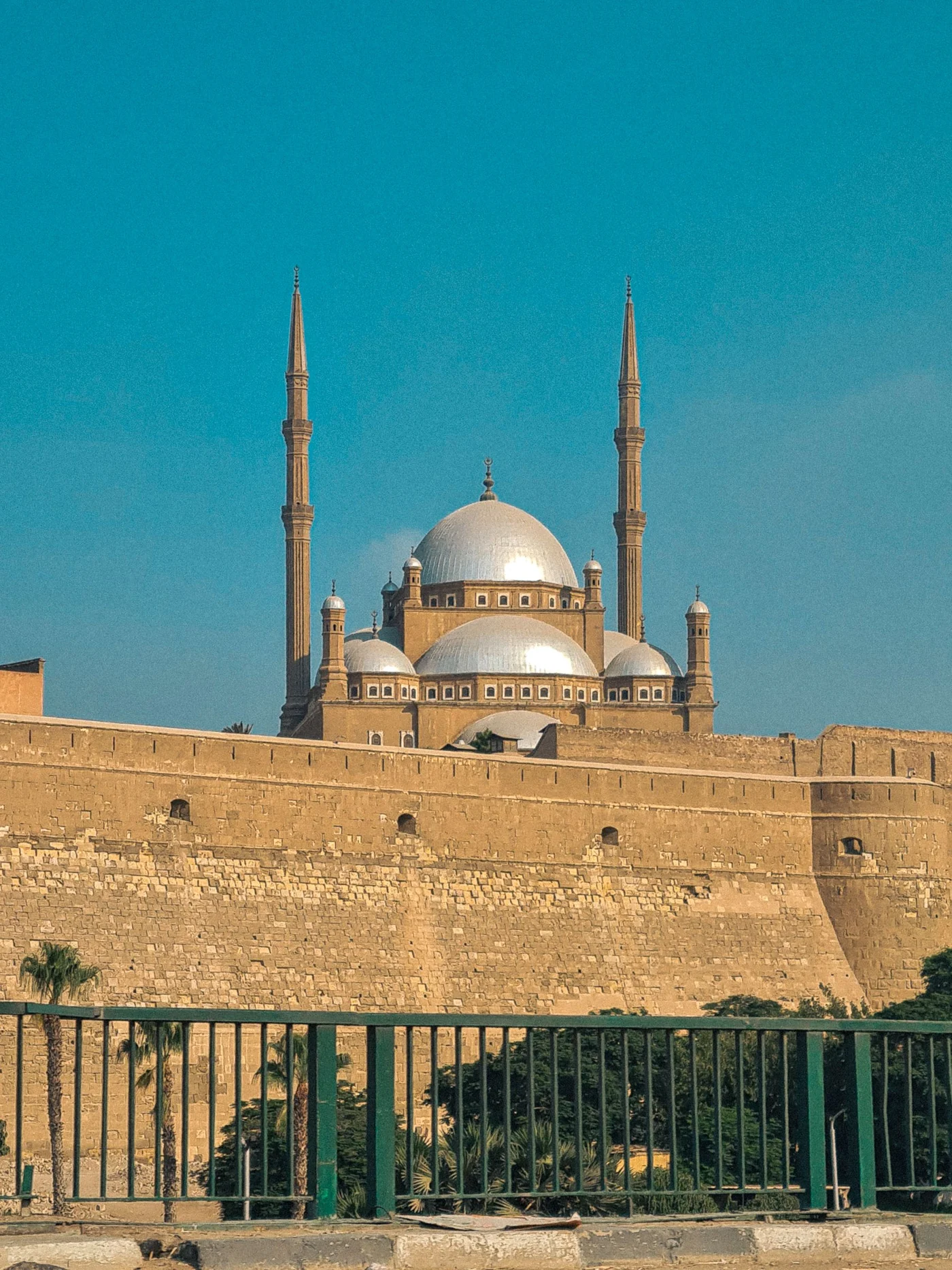
The Muhammad Ali Mosque is not an ordinary Cairene mosque. Cairo had eight centuries of its own architecture behind it, courtyard mosques with arcades such as Ibn Tulun or al-Azhar. The citadel building looks elsewhere: it is drawn on the model of the great imperial mosques of Istanbul, with a central dome ringed by half domes and two slender minarets, a silhouette the city was not used to seeing.
Construction ran from 1830 to 1848, and its walls are faced with a pale marble that earned it the nickname of the alabaster mosque. It is in the courtyard of this building, between the arcade and the ablution fountain, that the tower stands.
What we do not settle
We are not saying the exchange for the obelisk is an invention: we are saying the dates do not support it and that the Egyptian antiquities authority denies it. The nuance matters, because both gifts did happen, and they come from the same diplomatic moment.
Nor do we give any height ranking for the minarets, despite what is often read. The figures in circulation come from travel sites copying one another, and no institutional source confirms them.
One more thing is worth setting straight, because it is often blurred. Muhammad Ali was not a sultan and not a king: he governed Egypt as viceroy within the Ottoman Empire, and the mosque he had raised on the citadel belongs to that ambiguous position. Its Istanbul silhouette says as much as its Cairo setting does, and the clock in its courtyard, a French gift that never worked, says something about the third direction he was looking in.
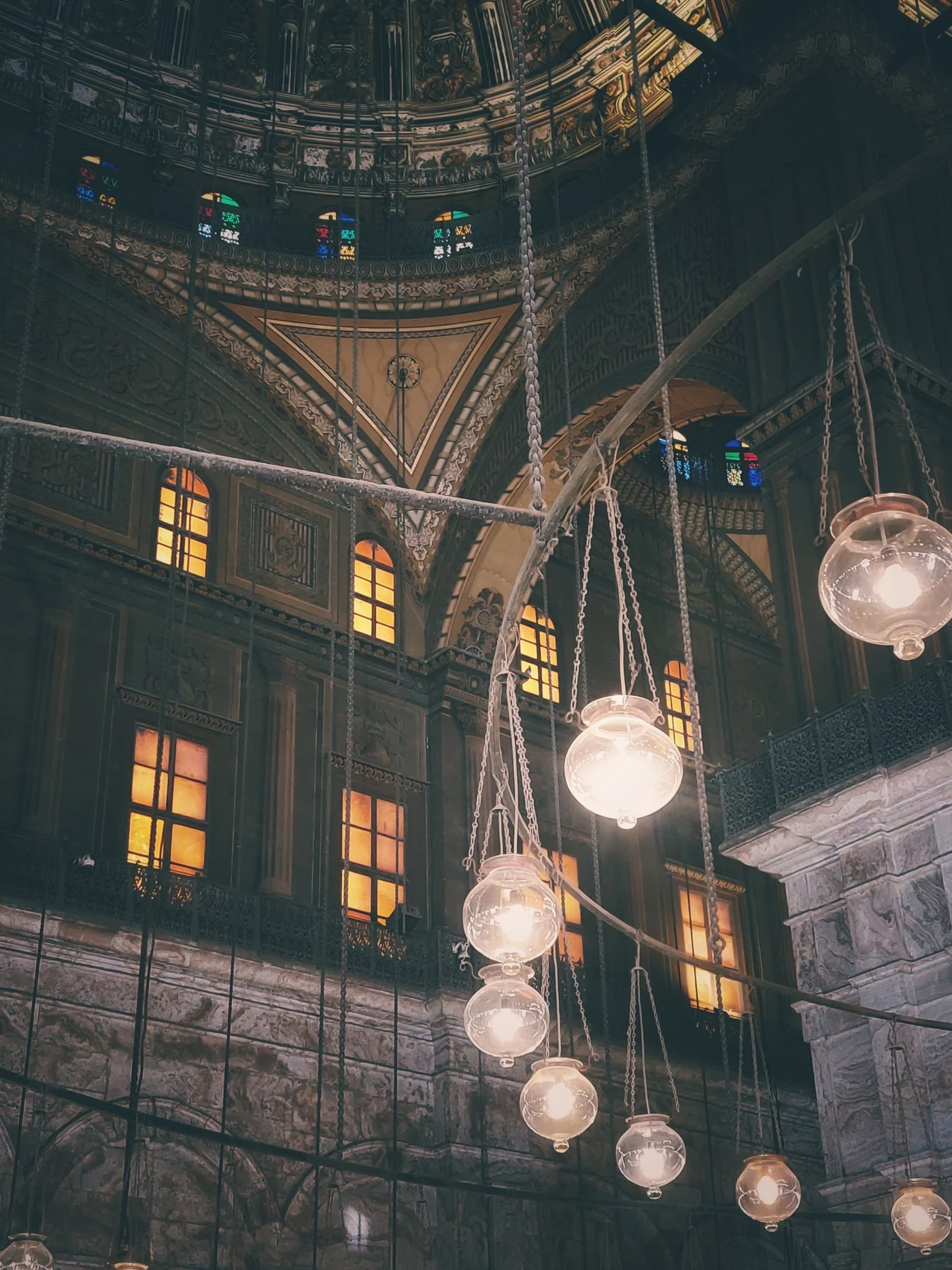
What remains beyond dispute is enough to make a story: in the courtyard of one of the most visited mosques in the Arab world, a stone tower was built for a French clock that never worked, and it is still there. For another mosque mechanism, a far more effective one, see the retractable roof of the Hassan II Mosque.
Discover
Mosques mentioned in this article
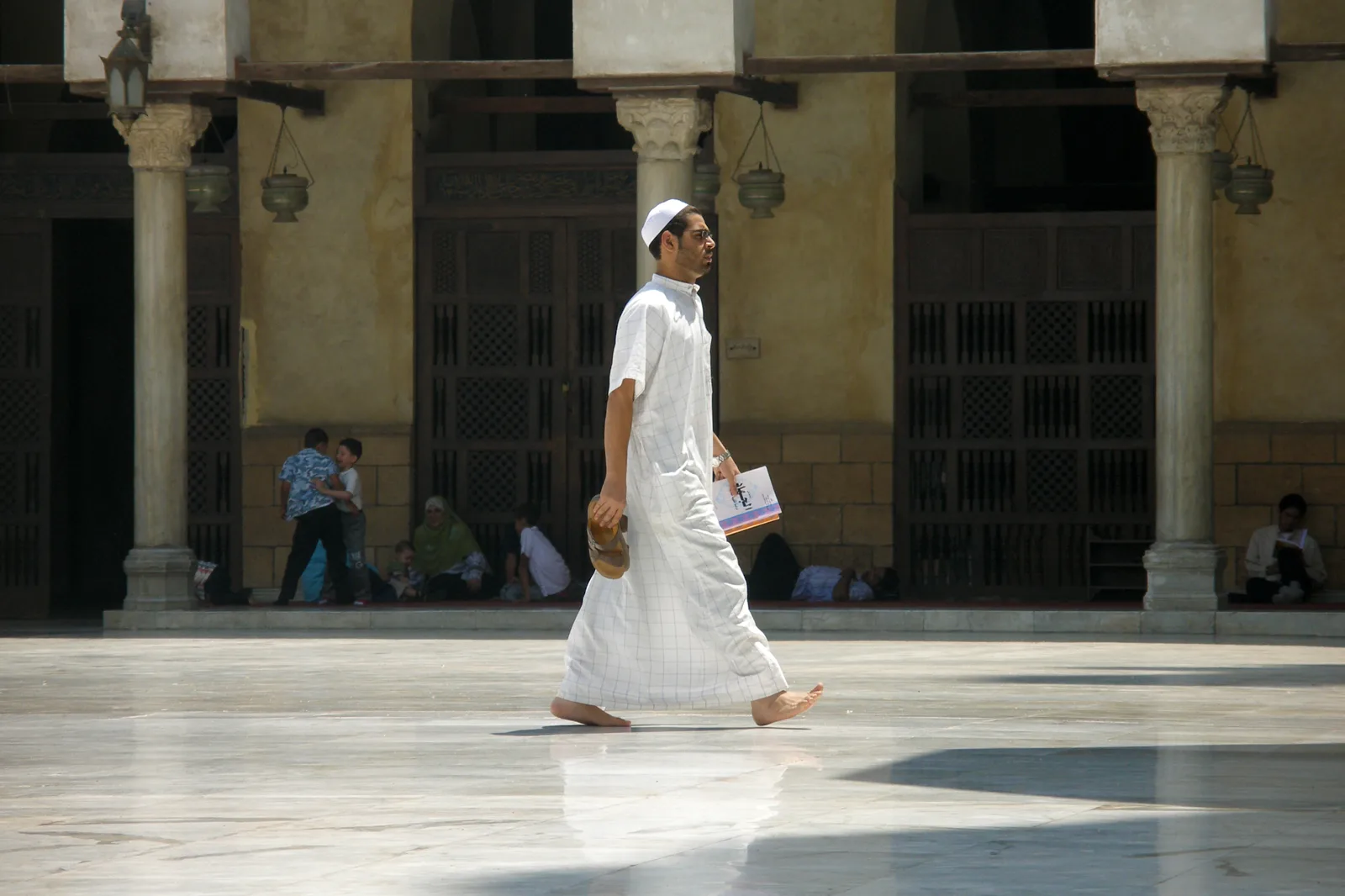
Al-Azhar Mosque
A Fatimid mosque and thousand-year-old university, an intellectual beacon of the Sunni world since 972.
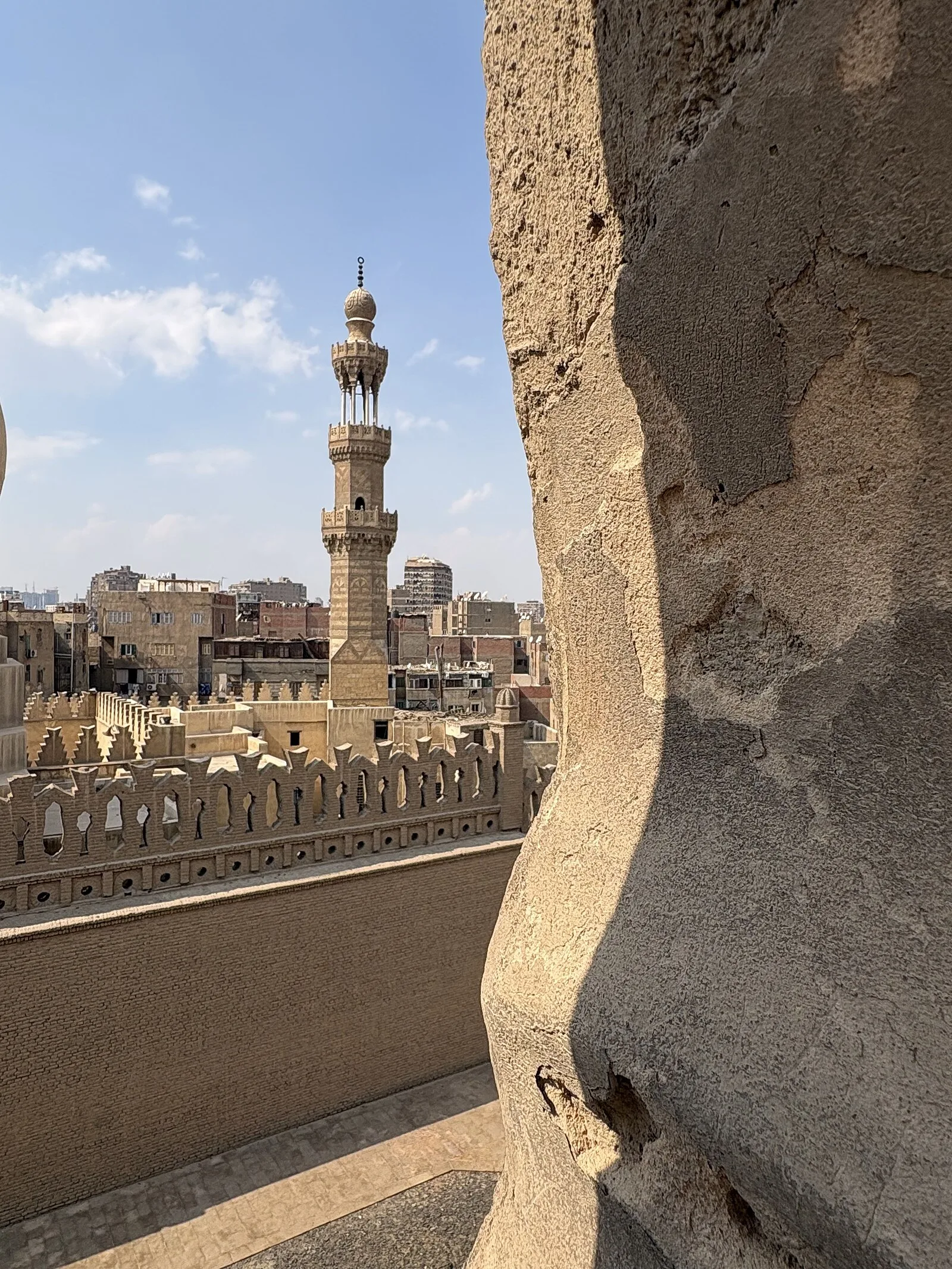
Ibn Tulun Mosque
The oldest mosque in Cairo, famous for its spiral outer staircase minaret, unique in Egypt.
About this page's content: this site offers editorial and cultural content written with care and respect for the religious traditions concerned; it does not constitute a theological opinion or a source of religious authority. Despite our checks, errors, inaccuracies or approximations may remain. If you spot one, please let us know via the Contact page or by email at qibla.mosk@gmail.com, and we will correct it gratefully.