History
History
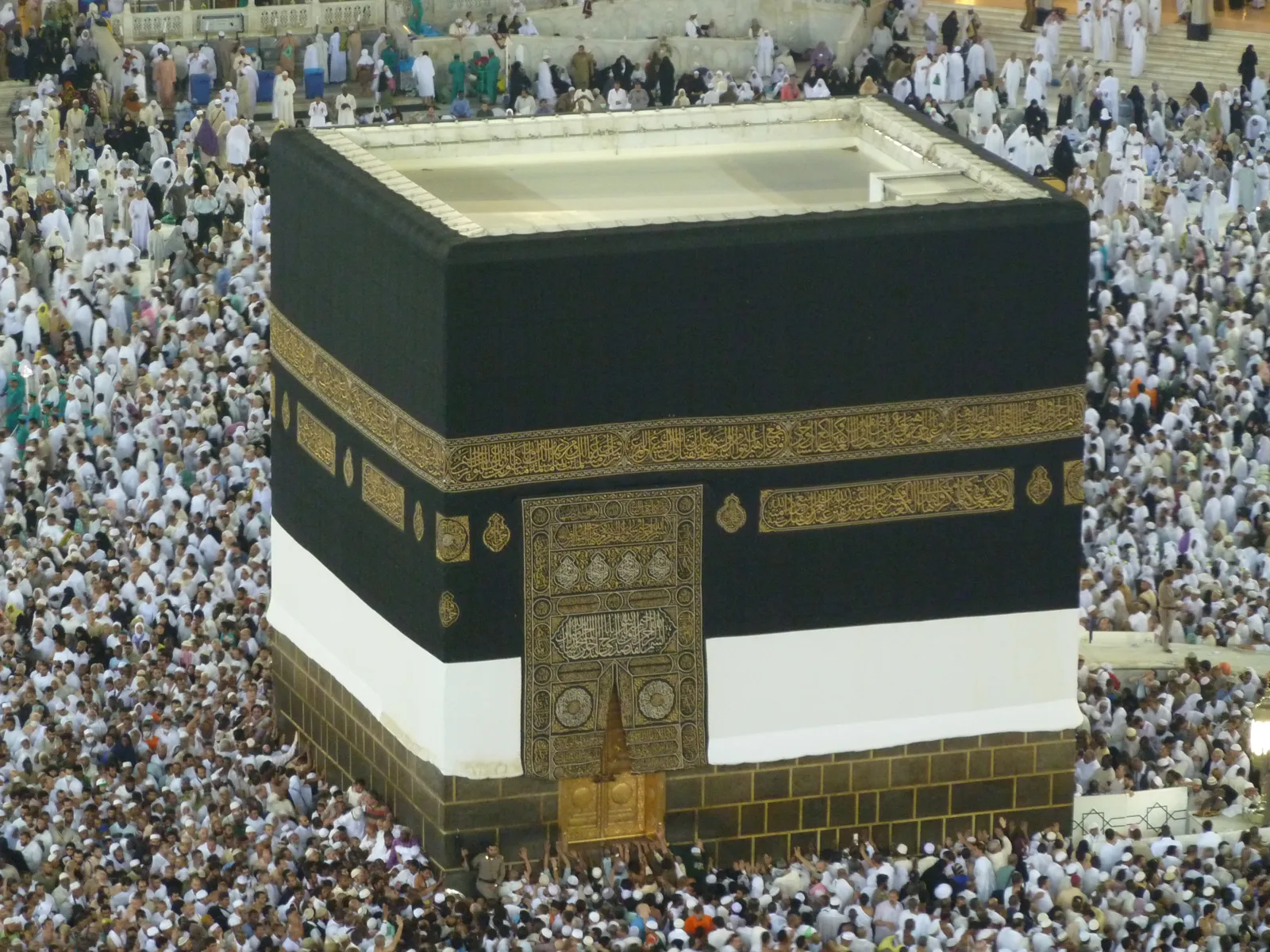
The Sacred Mosque of Mecca surrounds the Kaaba, the cubic structure towards which Muslims worldwide turn in prayer. A simple open-air enclosure in the earliest days of Islam, it has never stopped growing: the Umayyad and Abbasid caliphs gave it its first arcaded galleries, the Ottomans its stone domes, before 20th- and 21st-century Saudi extensions made it the largest place of worship on the planet.
The current sanctuary covers dozens of hectares across several levels, served by a network of tunnels, esplanades and minarets rising over 100 metres. Every year it hosts the Hajj, one of the largest human gatherings in the world, making it as much a logistical feat as a spiritual masterpiece.
Anecdotes & highlights
- The Black Stone set into the corner of the Kaaba is said, by tradition, to have fallen from the sky in the time of Adam.
- The Zamzam well, located within the enclosure, has supplied pilgrims with water for centuries; its water is distributed throughout the sanctuary.
- The neighbouring clock tower, the Abraj Al Bait, bears one of the largest clock faces in the world, visible for miles.