
Home › Blog › Sinan, architect of the Empire
Istanbul and Edirne · 8 min read · 2026-08-18
Michelangelo died in 1564. This man had twenty-four years of building left.
In 1564 Michelangelo died in Rome, eighty-eight years old, the greatest builder in Europe. In Istanbul, at that very moment, another man was already old. He had twenty-four years of building sites ahead of him, and his masterpiece had not yet come out of the ground.
A man whose birth date is unknown
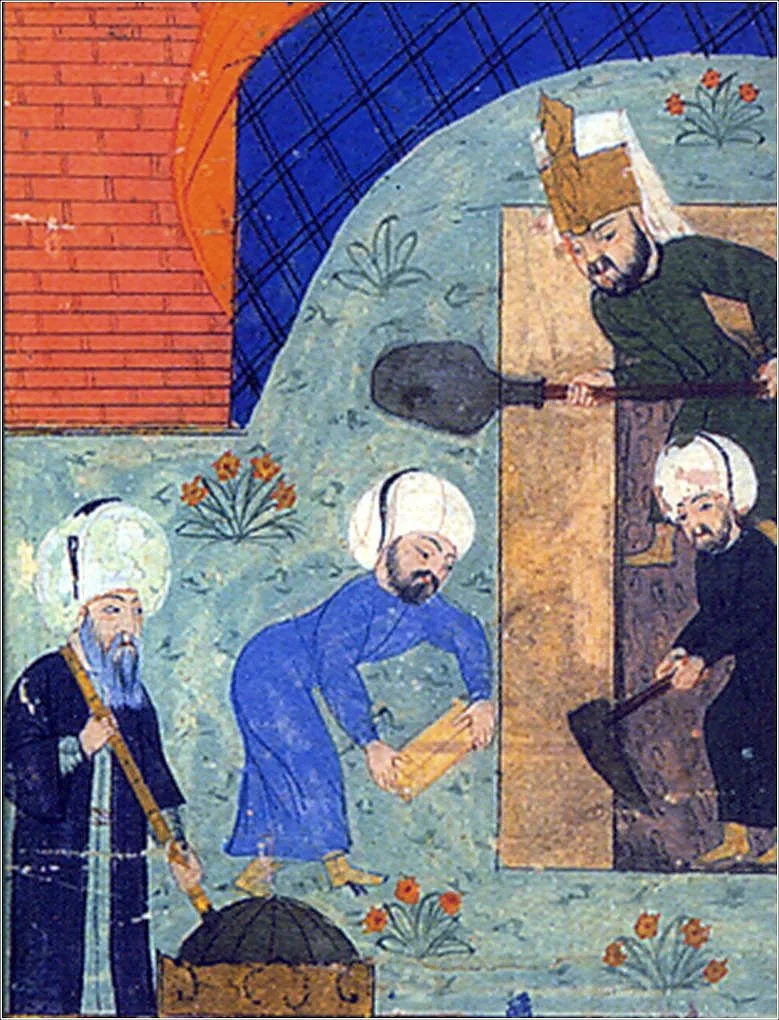
His name was Sinan, and nobody knows exactly when he was born. The sources give 1489, 1490, 1491, sometimes later still. That uncertainty is not a scholarly footnote: it makes it impossible to state his age precisely at any stage, which is why everything below is phrased with an "about".
He entered the sultan's service through an imperial recruitment system that trained children from the provinces for the service of the state. Much has been written about that system, and much of it wrong. We keep to what concerns our subject: it explains how a child from Anatolia ended up inside the Ottoman state apparatus, and nothing more.
He did not begin as an architect, he began as a soldier
This is the point most accounts leave out, and it is the one that explains the rest. For years Sinan was not a man of plans and domes. He was a man of campaigns. He built bridges to move an army across, siege works to reduce another, under time pressure and often under fire.
A court architect learns composition and ornament. A military engineer learns load bearing, foundations in bad ground, deadlines that cannot slip, and the immediate consequence of a miscalculation. Sinan came to civil architecture with that training, and it shows in what he produced.
Chief architect at about fifty
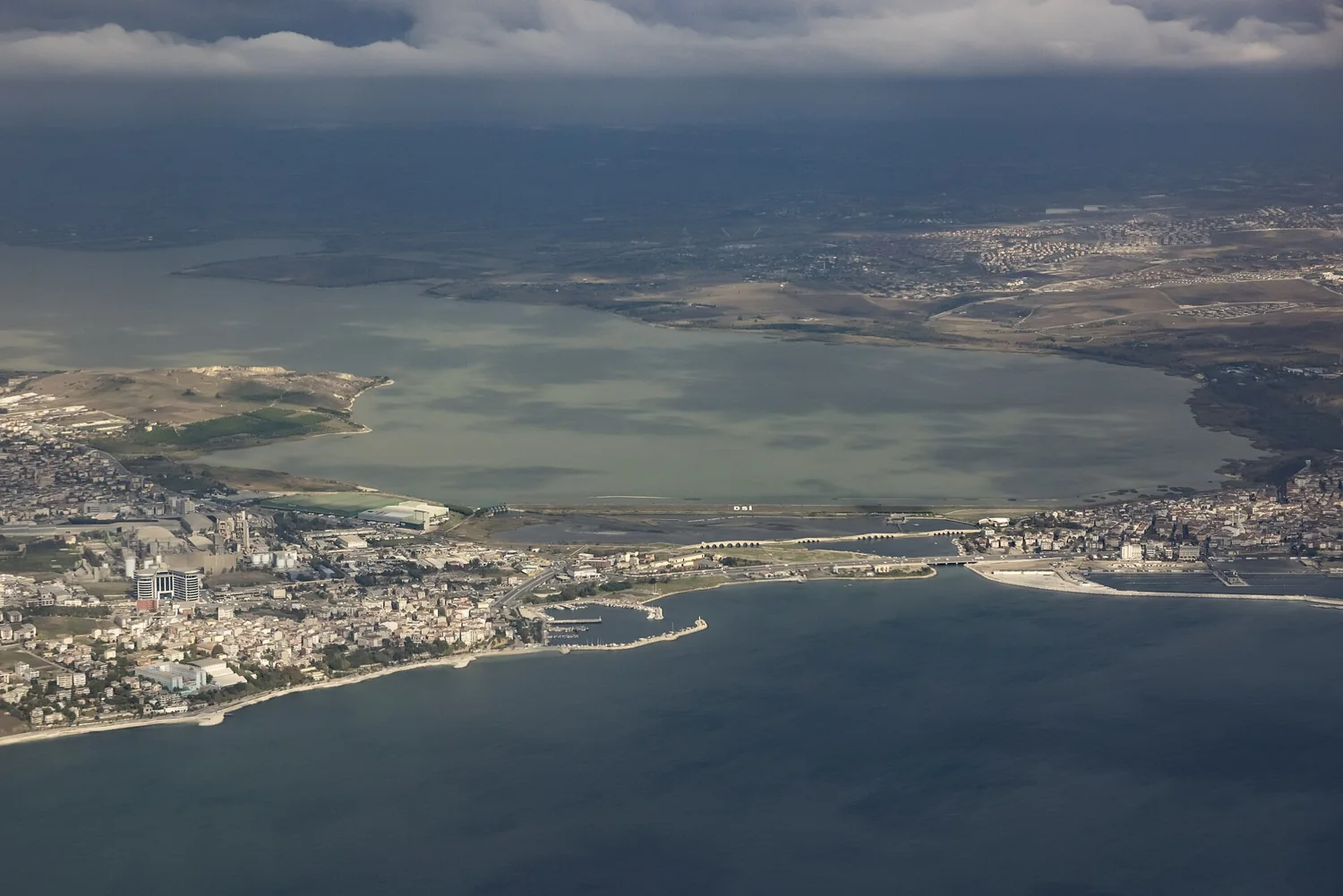
He was appointed chief architect of the Empire in 1538, at about fifty. At the time that was the age at which a career ended, not began. His began, and it lasted half a century.
The comparison with Michelangelo is not a rhetorical device. The two men were contemporaries, both working into great old age, both at the summit of their own world. The difference is one of calendar: when one died in 1564, the other had not yet built what he considered his finest work.
He left his own ranking, in three words
This is what makes his case so sharp, and it is rare. In his autobiographical writings, Sinan himself ranks his great mosques according to the three degrees of the craft.
His first great imperial mosque he calls his apprentice work. The Süleymaniye, in Istanbul, is his journeyman work. And his masterpiece, he says, is the Selimiye at Edirne, completed around 1574-1575, when he was past eighty.
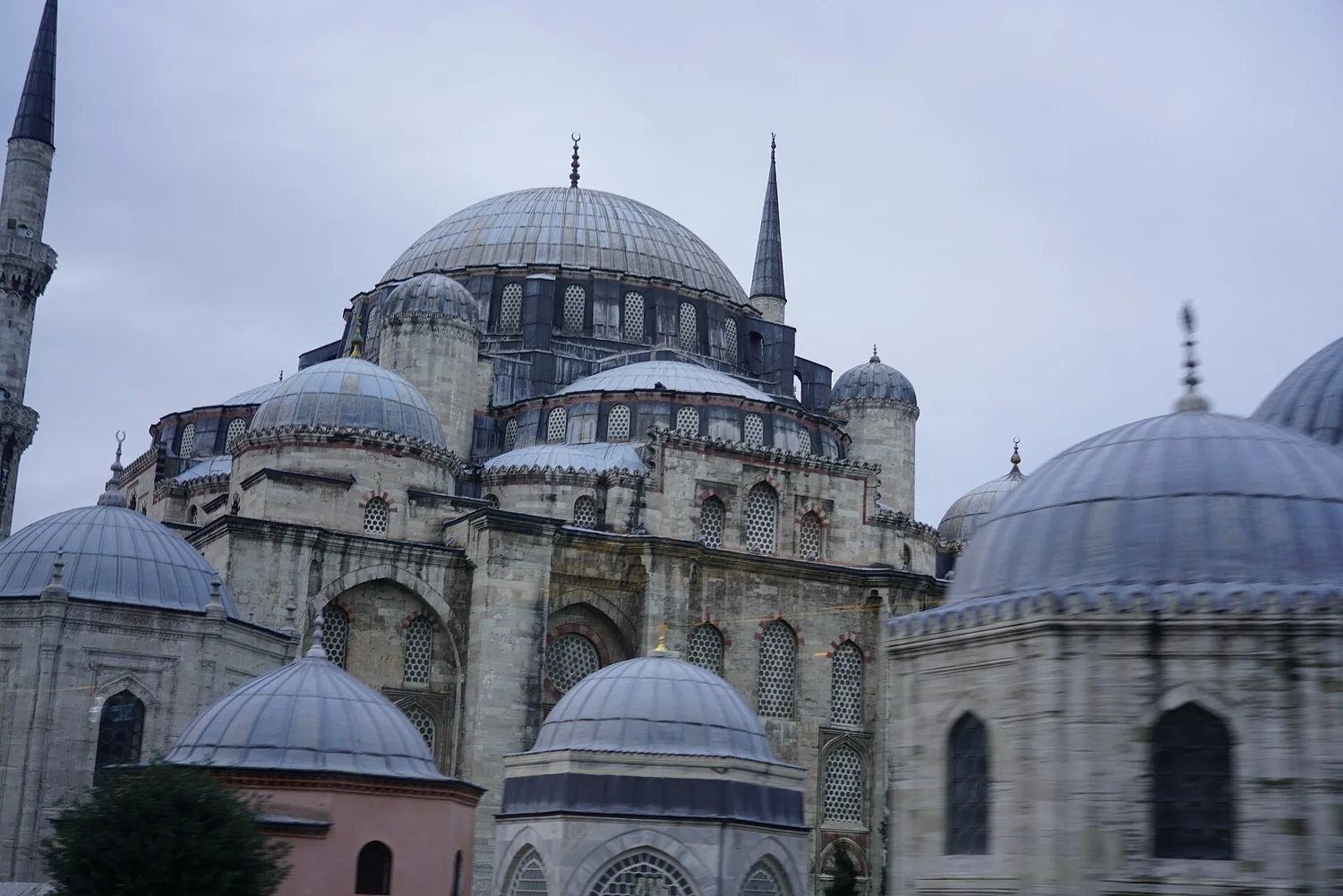
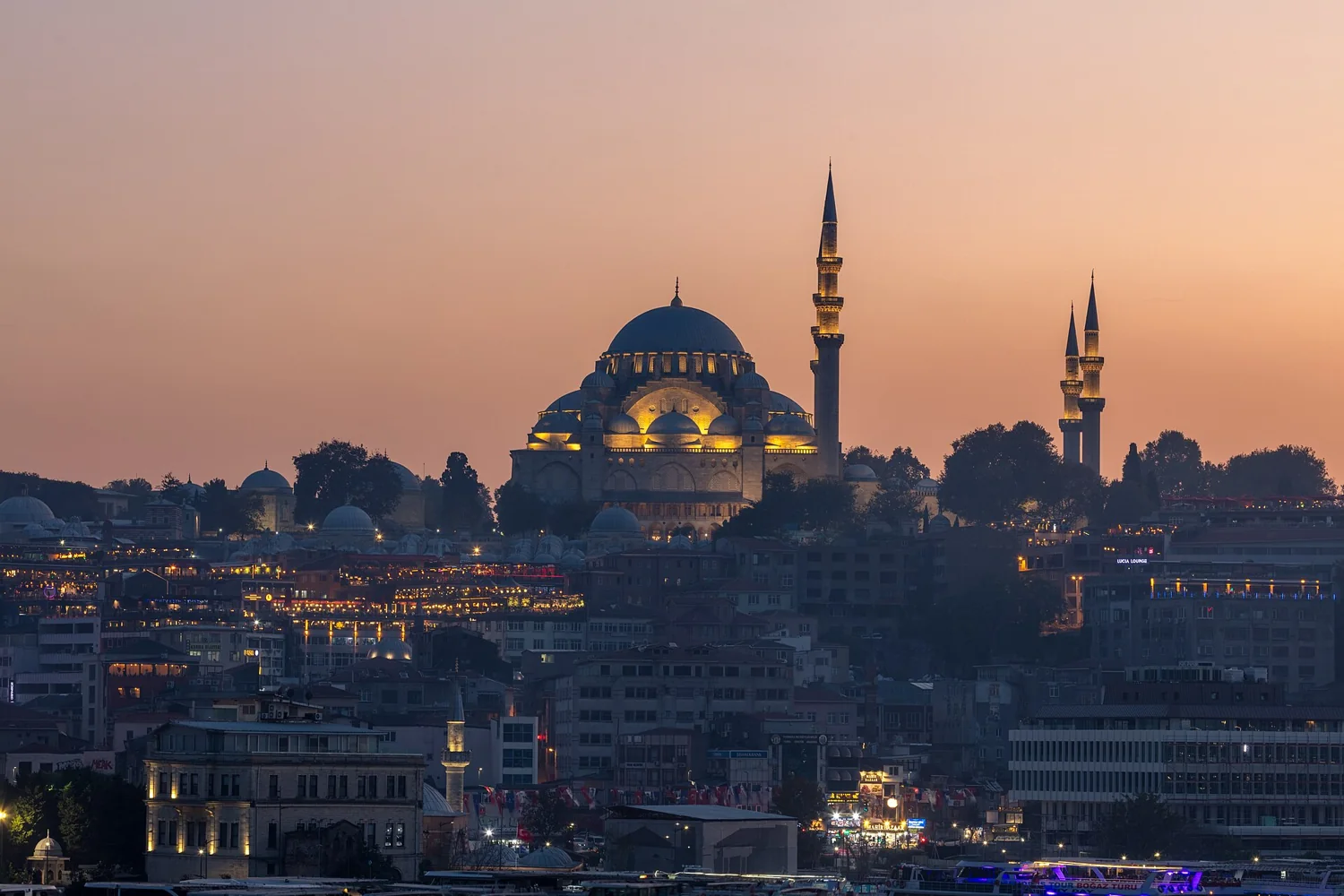
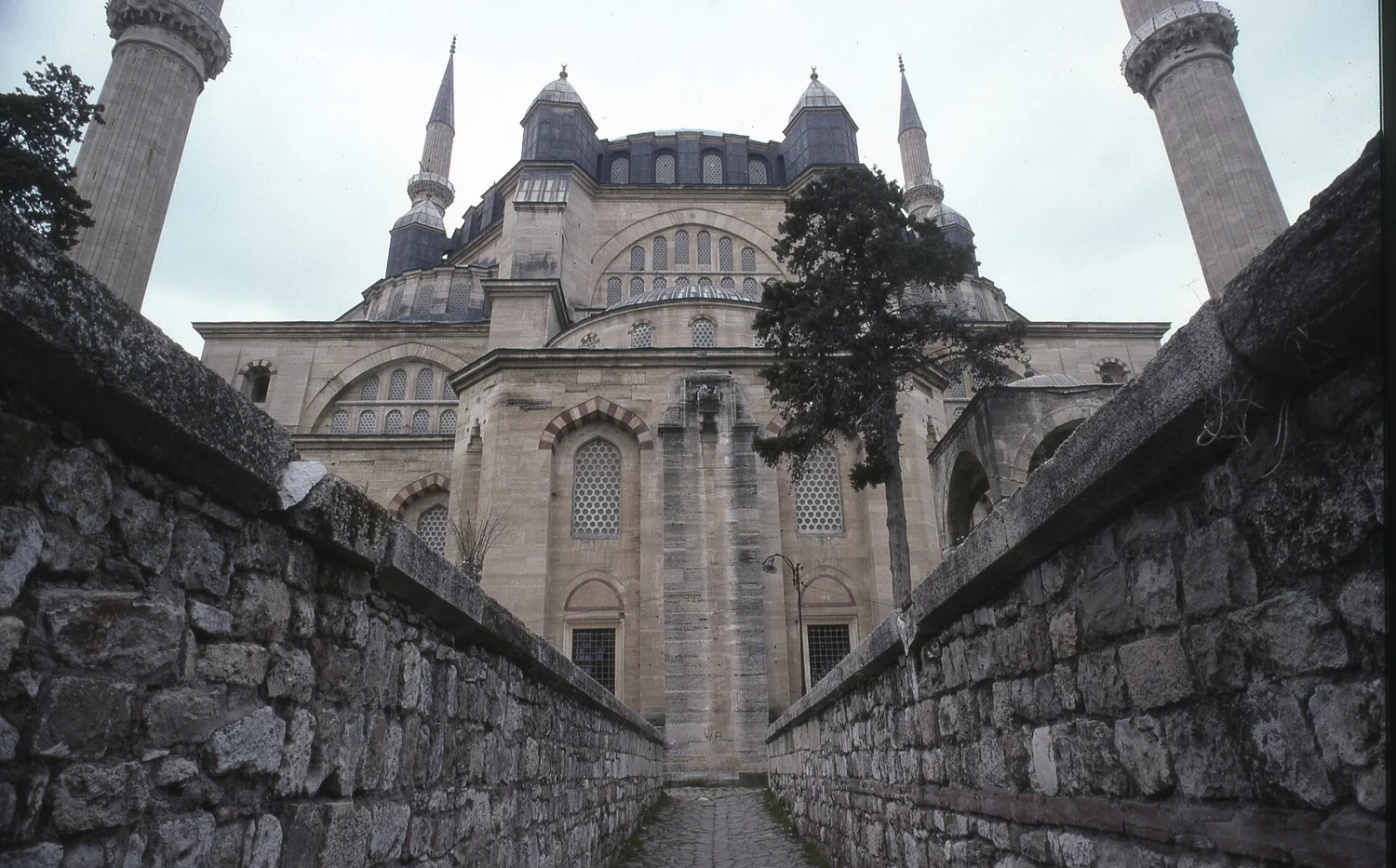
Few architects have graded themselves. That this ranking comes from him changes how the three buildings read: they are not three equivalent successes, they are a progression the author owns.
What really sets him apart is not the size of his domes
Sinan is often reduced to a race for diameter, as though his business were to outdo Hagia Sophia. That is too narrow. What characterises him is that he did not repeat forms: he solved problems.
One example, in a building almost nobody looks at. In the mid 1550s he designed a public bathhouse close to Hagia Sophia, commissioned by Hürrem Sultan. Until then the men's and women's sections formed two separate buildings, or two blocks set side by side with no compositional relation.
Sinan put them in a single, perfectly symmetrical volume seventy-five metres long, laid out on a single axis running north to south, with an entrance at each end. It is the first building to do so, and it has remained the only one.
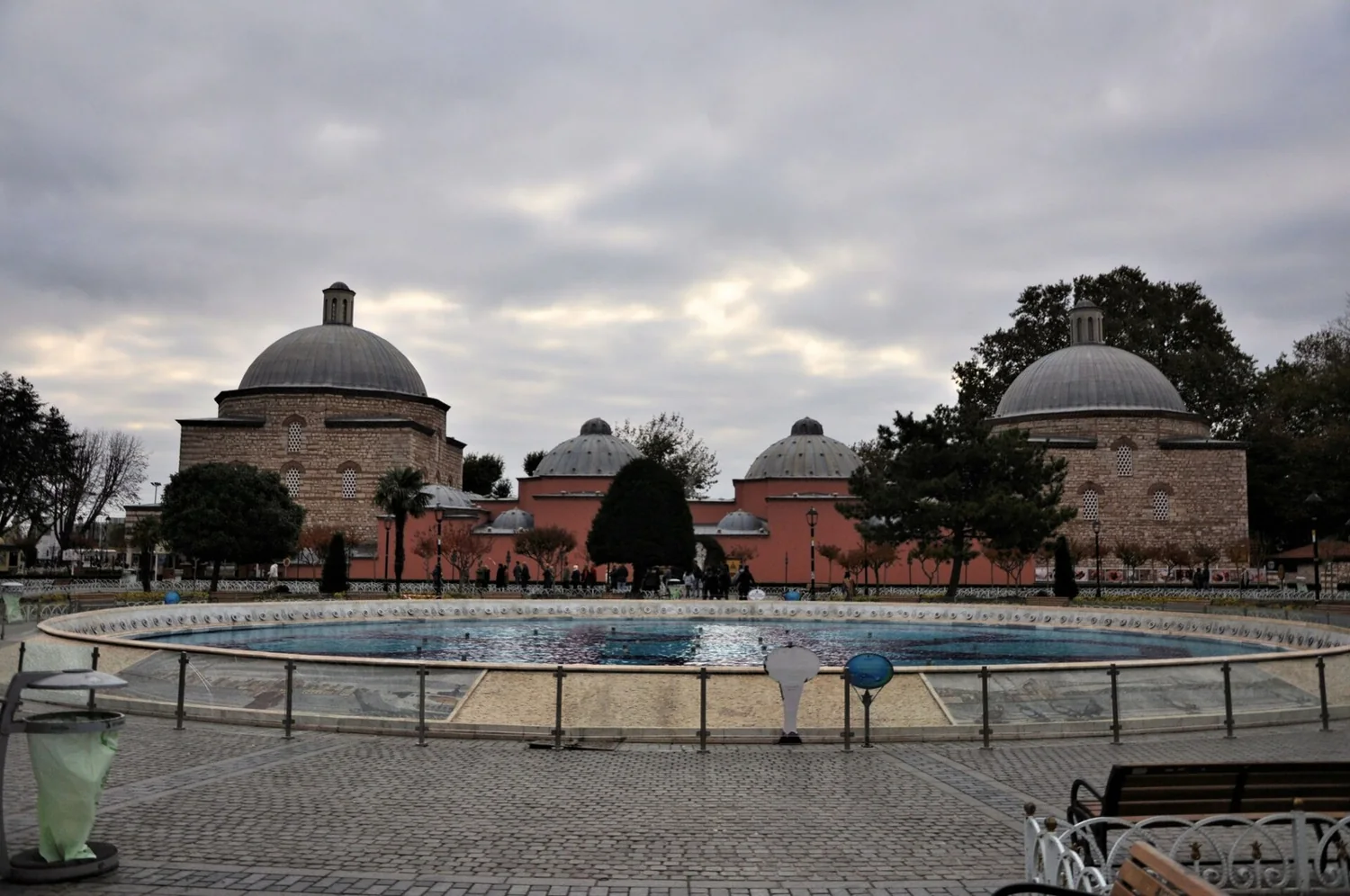
The move looks minor until you draw it. Aligning the two halves on a single axis means treating both publics as one architectural programme rather than as two annexes set beside each other. It is a decision of composition, not a technical feat, and it is exactly what an architect does when he stops reproducing.
He built to the end
He never really stopped. His last known mosque was built as he approached ninety. He died in 1588, twenty-four years after Michelangelo, and twenty-four years of building sites later.
What this article does not say
Three cautions to close. We give no firm birth date: the sources differ by several years, and a precise figure would be a convenience, not a fact.
We cite no number of buildings. The counts run from three hundred to more than four hundred depending on whether engineering works, restorations and workshop attributions are included. A round figure would give a false impression of precision.
Finally, we compare the two men only by their calendars. Michelangelo was eighty-eight in 1564, Sinan about seventy-four: they were not the same age, and the point of this article is not to rank them but to note at what stage of his life the second did his best work.
To go further: the endowments of Hürrem Sultan, who gave him his first imperial commission, and the page on the Süleymaniye Mosque.
Newsletter
One mosque, one story, every month
Get our stories of architecture, history, and travel. Zero spam, unsubscribe in one click.