
Home › Blog › The endowments of Hürrem Sultan
Jerusalem and Istanbul · 9 min read · 2026-08-17
She has fed Jerusalem since 1552
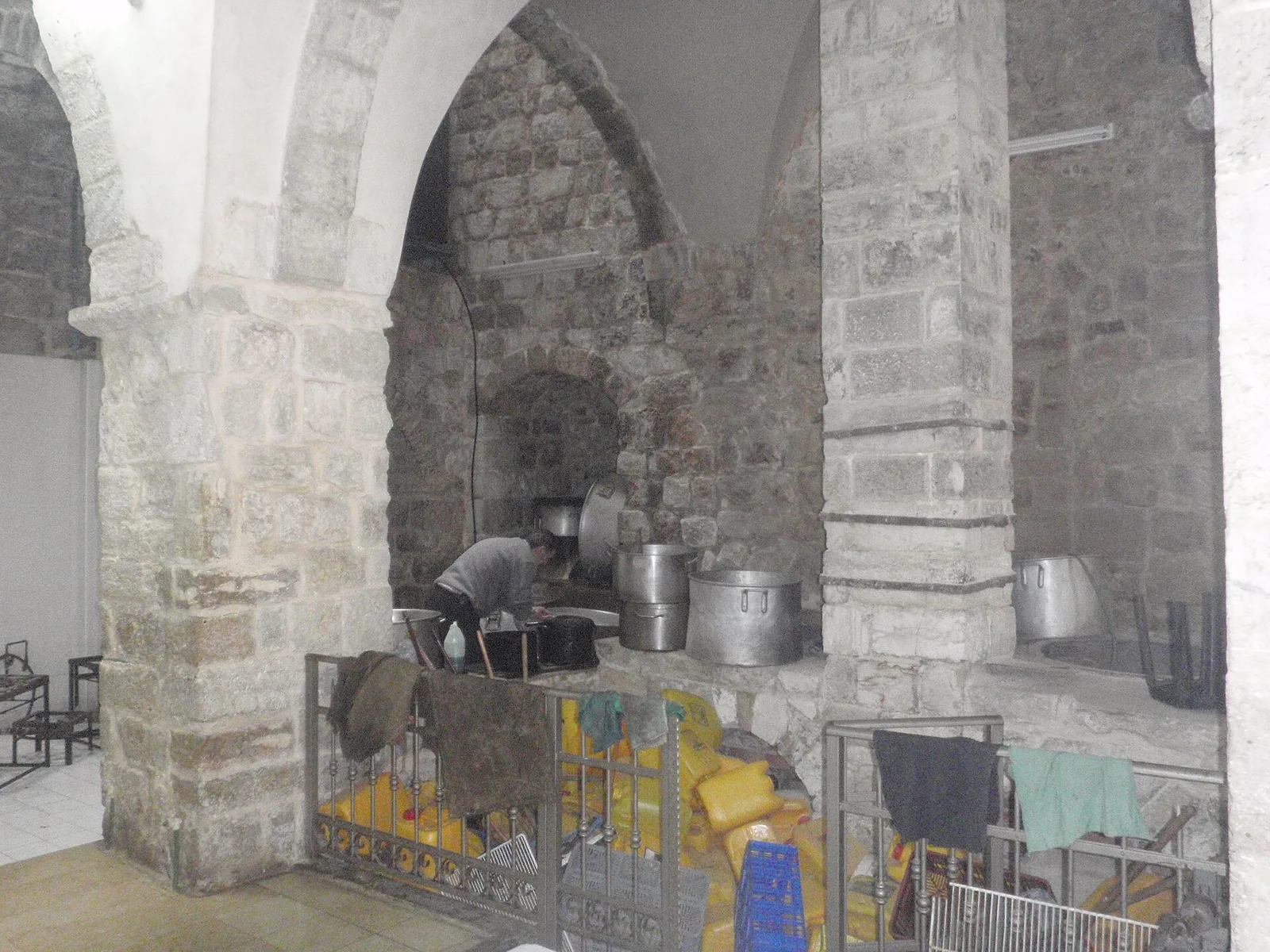
In Jerusalem, in 1552, a public kitchen began serving twice a day, and it was still serving in the twentieth century. It did not live on donations. It lived on shops, bathhouses, soap factories and flour mills, gathered into an endowment deed in the name of one woman. Close to four centuries of service, without a single further donation.
Roxelana, Hürrem, Haseki: three names for one woman
Europe calls her Roxelana. Her Ottoman name is Hürrem. And the third name is not a name at all: it is a title, haseki sultan, that of the sultan's principal consort. The position was created for her, she was the first to hold it, and that is the word carried today by a district of Istanbul and by a mosque.
Before that she was captured in a raid in Eastern Europe, then taken to the imperial harem, which at the time sat in the Old Palace, the Eski Saray, not in Topkapı. The sources disagree about her region of origin and we will not settle it. There she was freed, then legally married to Sultan Suleiman the Magnificent, which broke with the custom of the court. The order matters: it is the manumission that made the marriage possible, not the reverse.
Then comes a break of another kind, and it concerns a building. A rule inherited from Mehmed II held that women should not live where matters of state were conducted, which kept the harem away from Topkapı. She is the one who brought it in, with her children and her whole household, and from then on Topkapı became the permanent residence of the Ottoman rulers. The date is disputed: some tie it to her marriage, others to the fire that ravaged the Old Palace in 1541.
Jerusalem, 1552: a kitchen and its economy
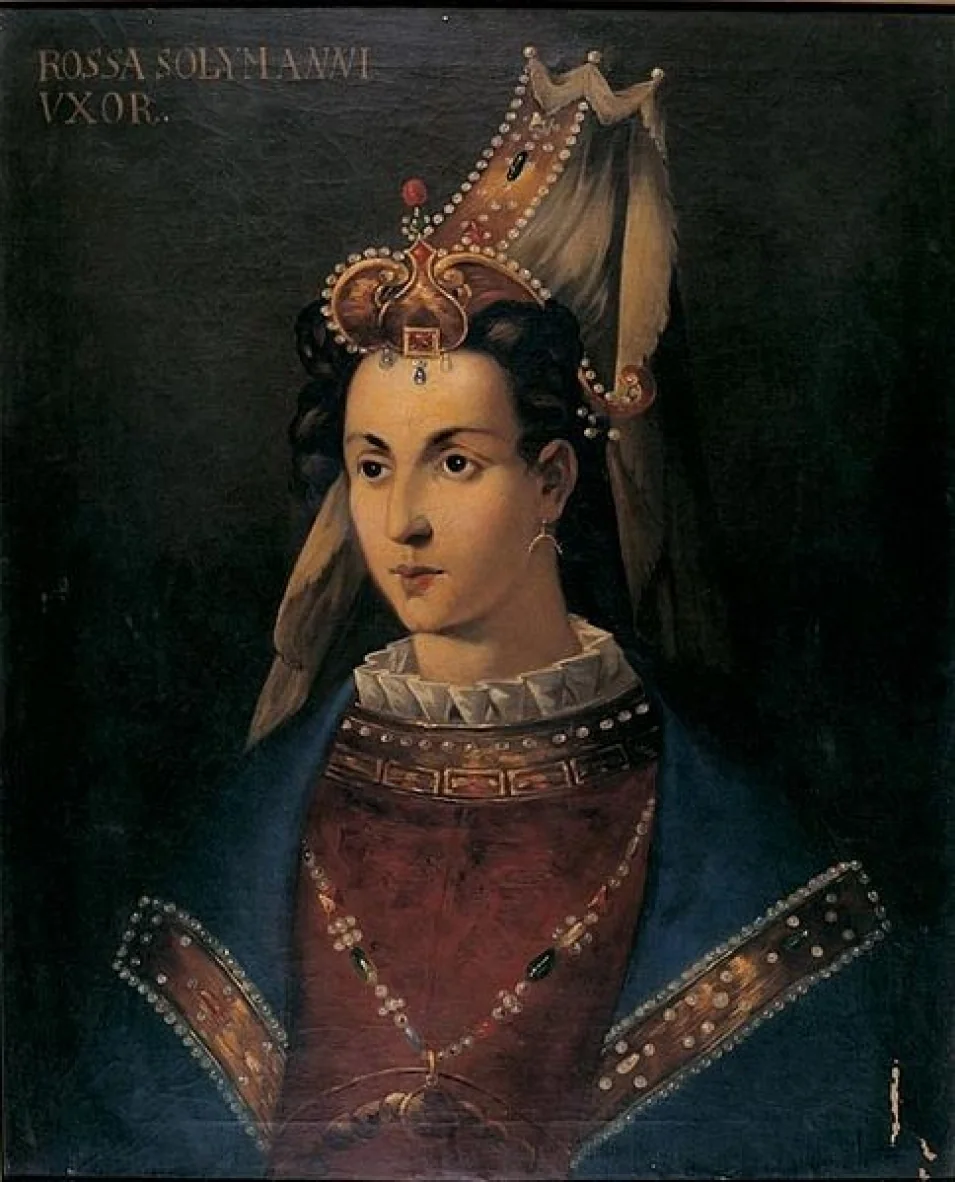
The founder is Hürrem Sultan. She is the wife of Suleiman, and the first woman at the Ottoman court to hold the title of the sultan's principal consort, a position created for her that gave her unprecedented means. From the 1540s onwards she placed those means into a network of charitable foundations.
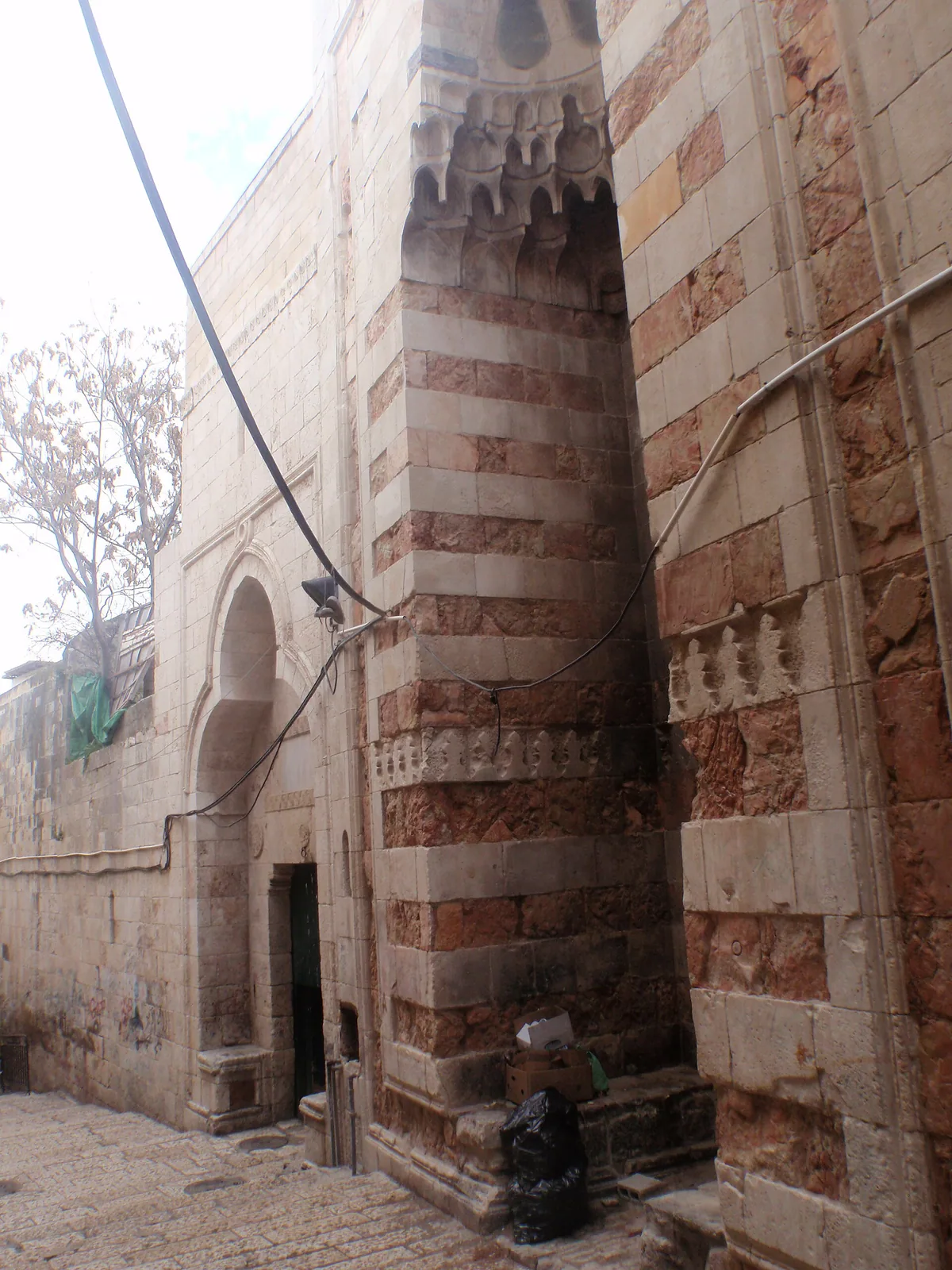
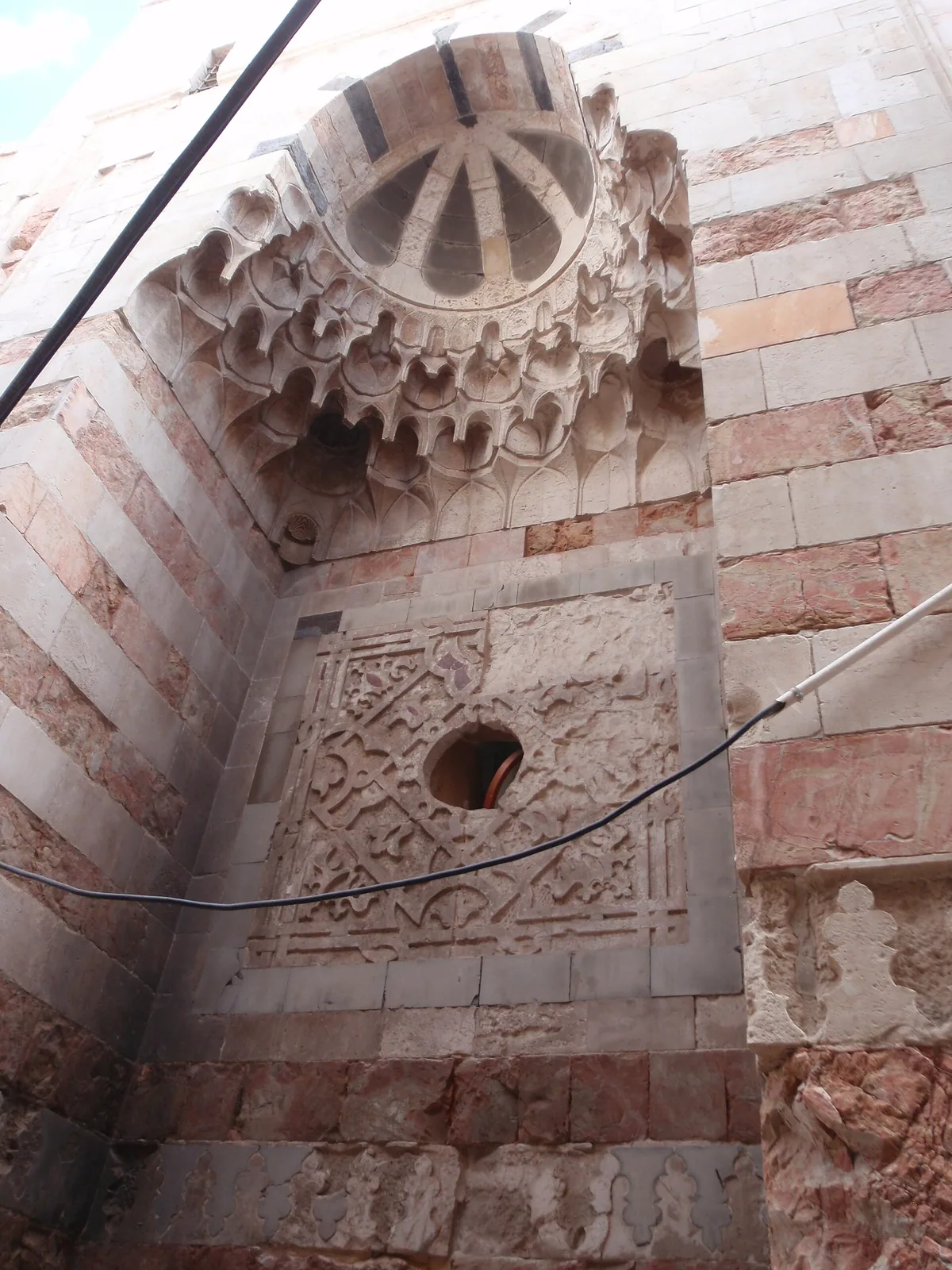
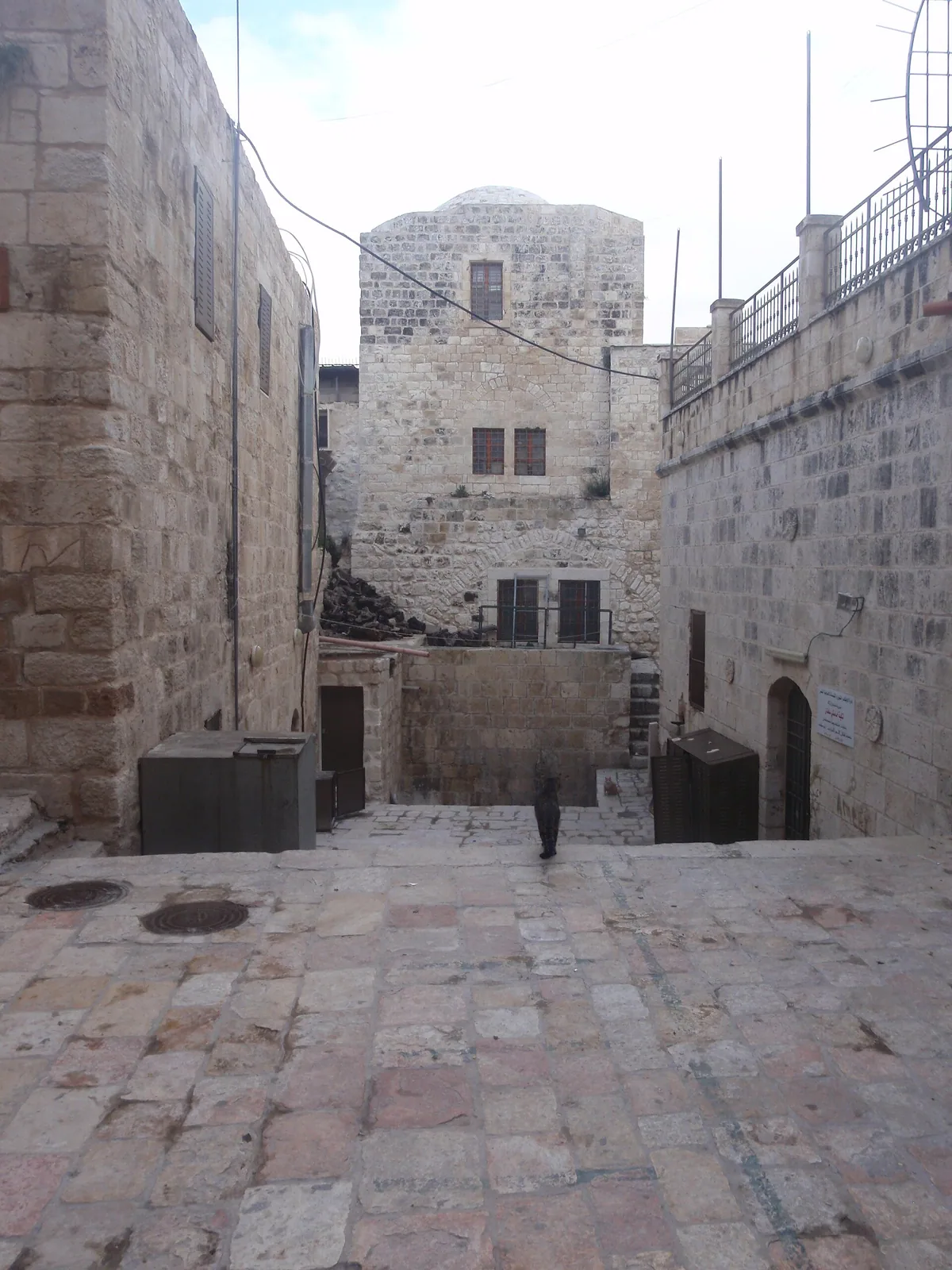
The Jerusalem one is the most telling. The building housed a public kitchen and a bakery, but also a mosque, an inn for travellers and a fifty-five-room hospice for pilgrims. The kitchen served at least five hundred people, twice a day.
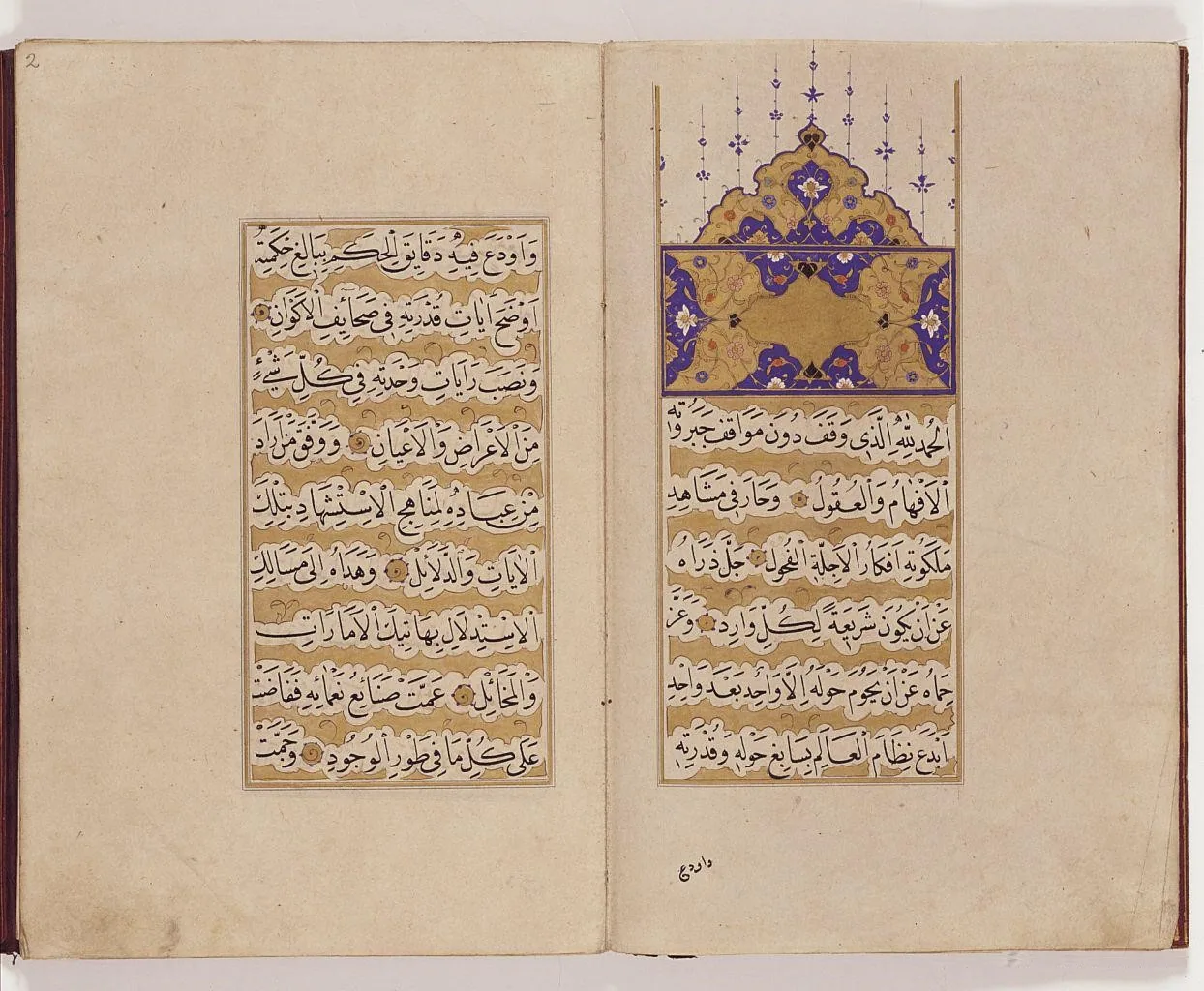
The interesting part is not the meal, it is what paid for it. The endowment deed does not give the kitchen a sum of money, it assigns it revenues: shops, public bathhouses, soap factories, flour mills, and thirty-two estates spread along the road from Jaffa to Jerusalem. The document lists close to two hundred place names.
How a perpetual endowment works
This arrangement has a name in Islamic law: the perpetual endowment, or waqf. An asset is immobilised, taken out of commerce, and its revenues are assigned forever to one defined purpose. The founder does not give once, they install a machine that funds itself.
The practical consequence is considerable, and it explains why such institutions cross centuries. Alms depend on the generosity of the moment. An endowment depends on productive property: as long as the mills grind and the shops pay rent, the kitchen serves. It is finance as much as charity, and it is written down in a deed that can still be read.
The result can be measured. The Jerusalem kitchen and bakery were still working under the British administration of Palestine in the early twentieth century, close to four centuries after they were endowed.
Istanbul: Sinan's first commission in the capital
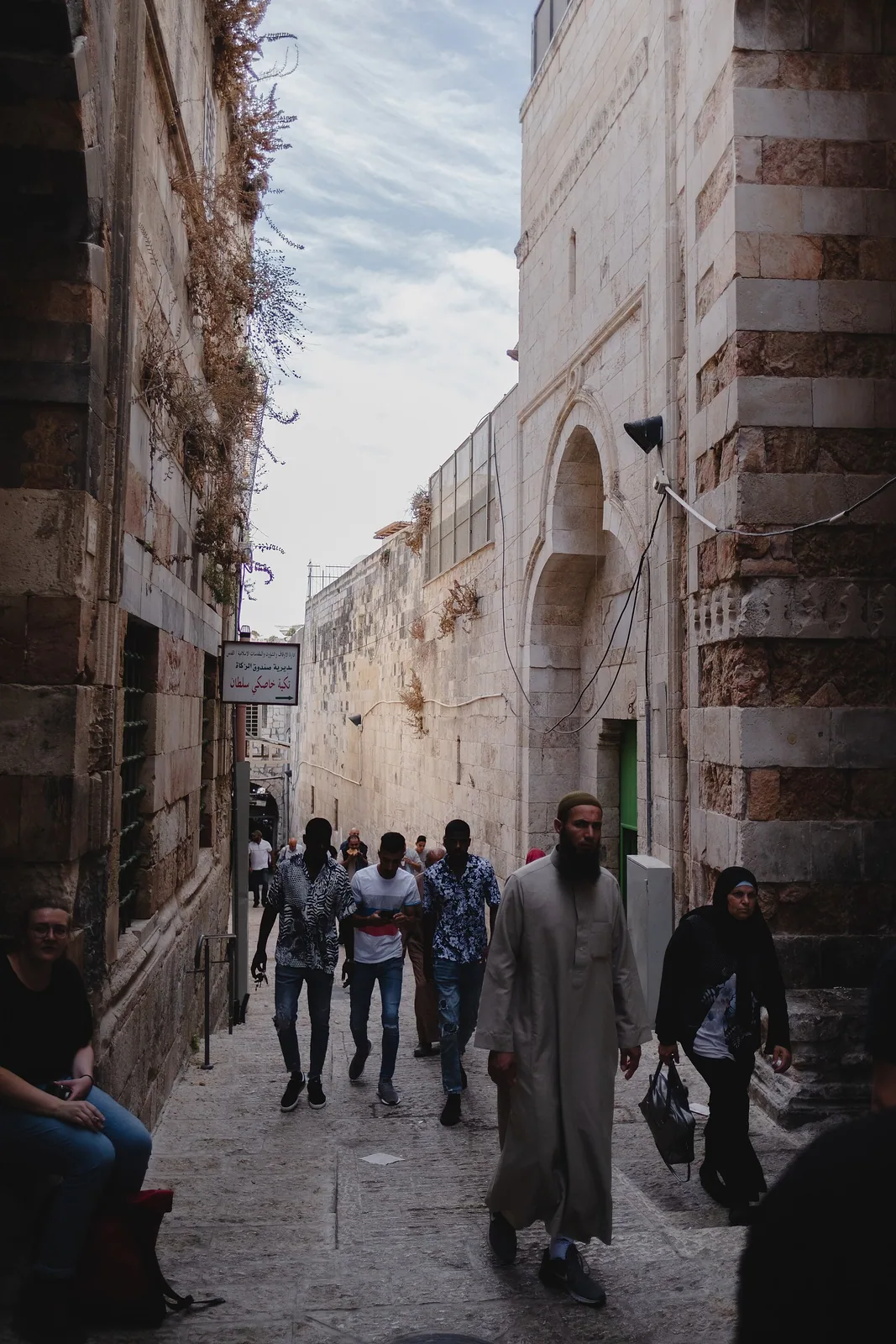
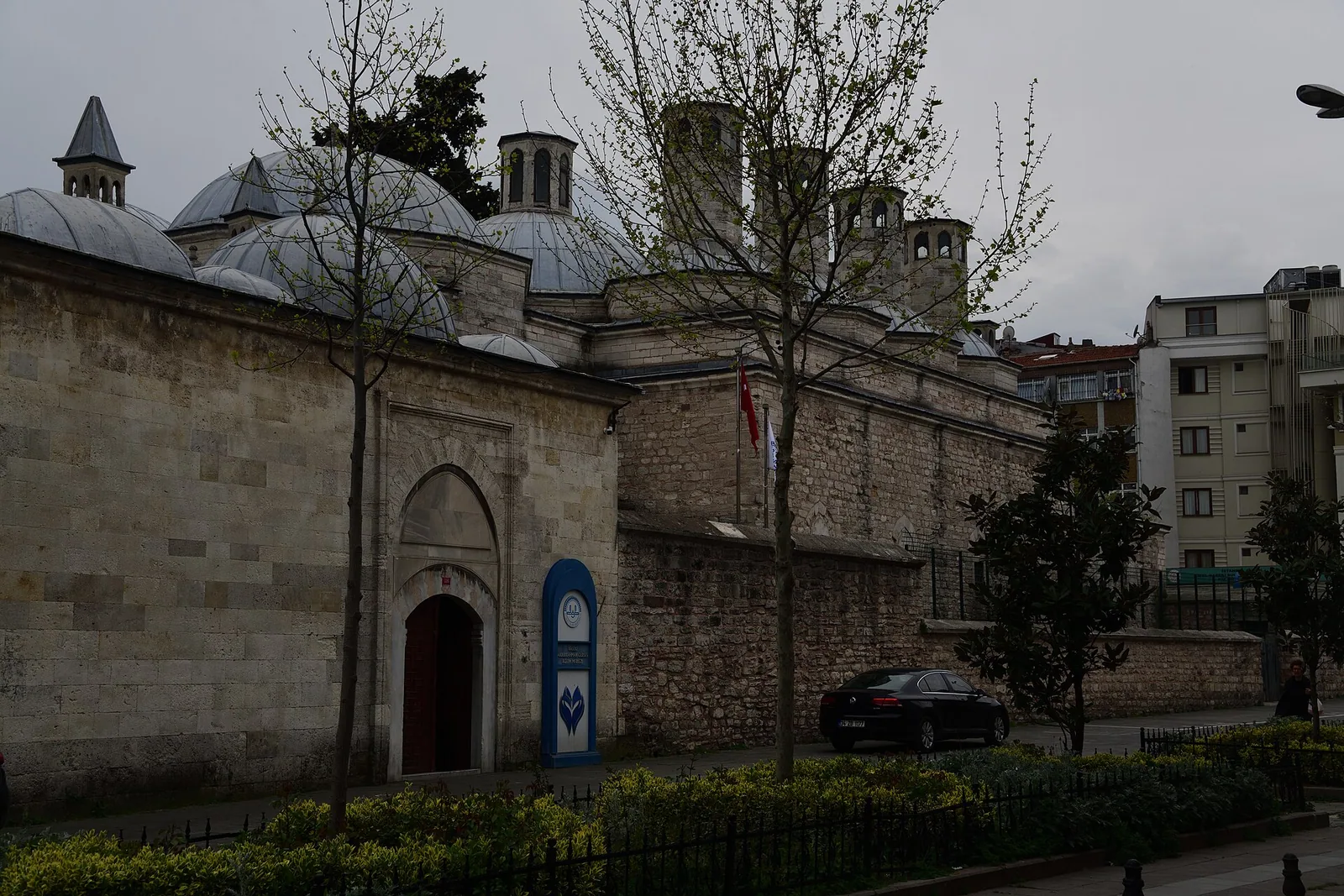
In Istanbul she had her own complex built in the late 1530s, in a district then called Avrat Pazarı, the women's market, after the market women held there. By the nineteenth century the district had changed its name: it is called Haseki, after the complex she founded there, and therefore after the title created for her.
The architect had just reached the post of chief imperial architect in 1538. His name was Sinan, he was about fifty, and this was his first commission in the capital.
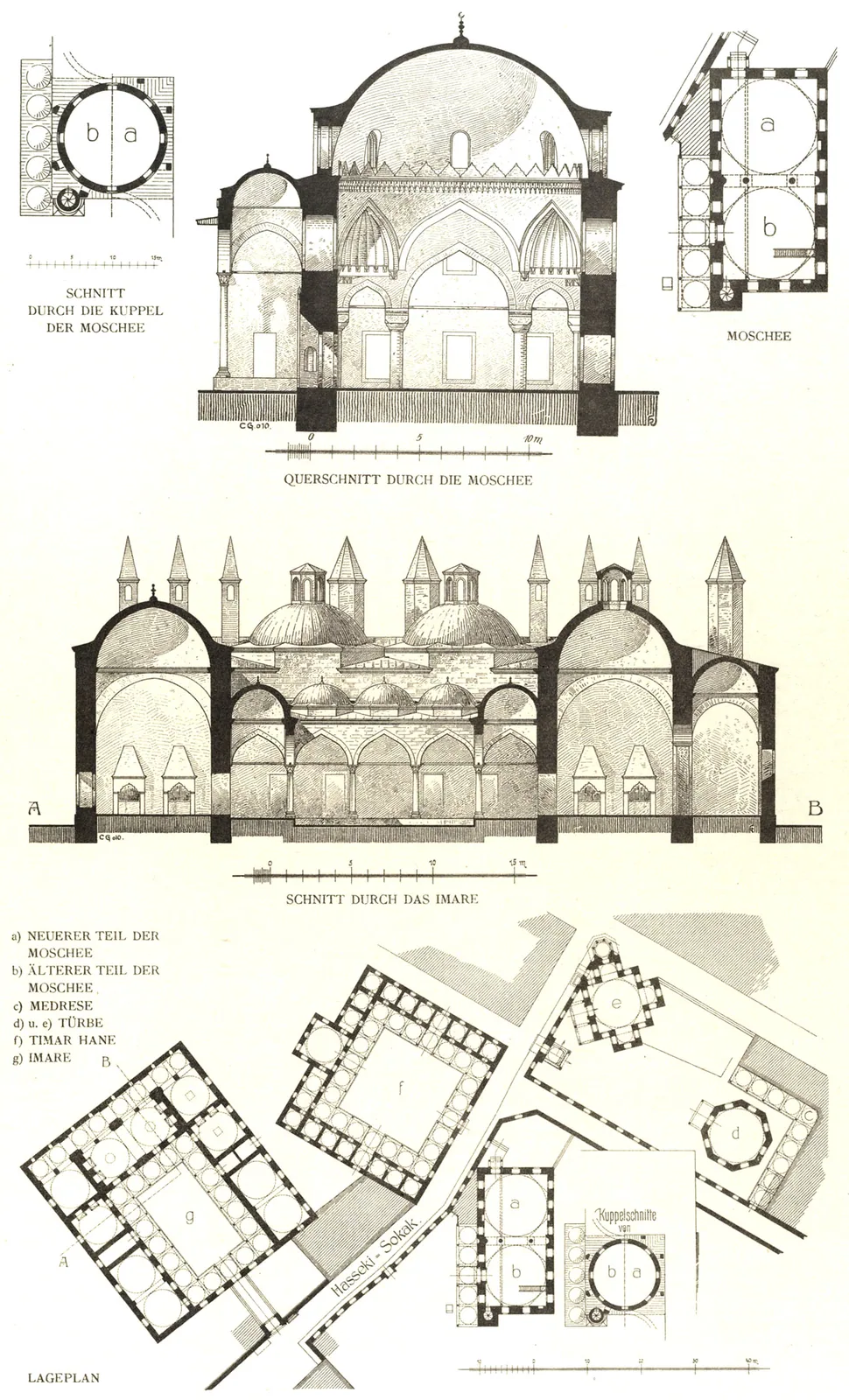
The complex is not a lone mosque. It gathers a mosque, two Quranic schools, a fountain, a public kitchen and a hospital, completed around 1550. It is a complete neighbourhood facility, conceived as a service: people pray there, learn there, eat there, drink there and are treated there. It is the first complex of this scale commissioned by a woman in the capital.
The mosque, the Haseki Hürrem Sultan Mosque, was completed in 1538-39, the madrasa the following year, the public kitchen in 1540-41, the hospital only around 1550-51. Among the great imperial mosques of Istanbul still standing, it is the third oldest.
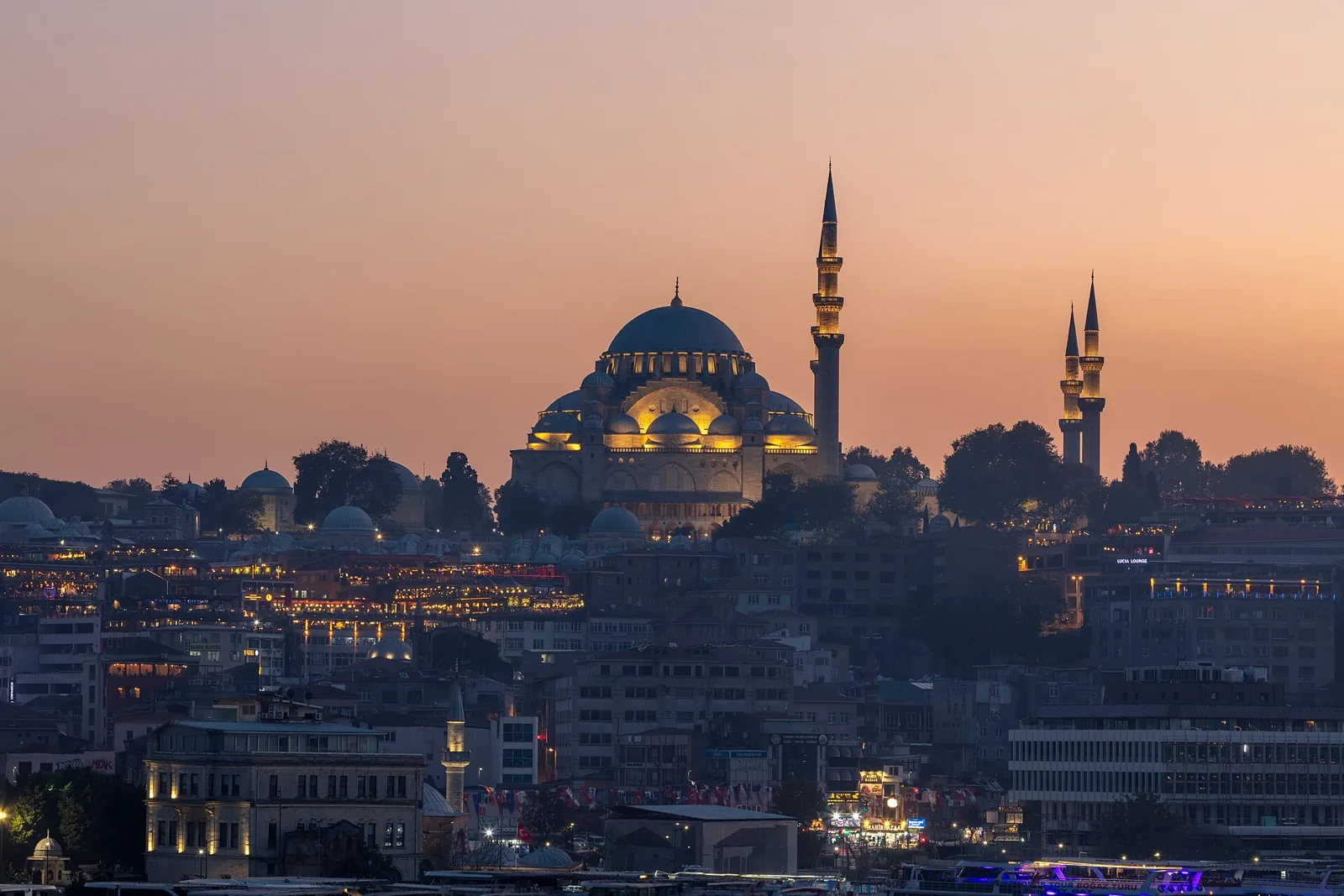
For Sinan's career this site matters as much as it does for the district's history. The man who would build the Süleymaniye and the Selimiye began his imperial career on a commission funded by a woman, and on a social programme rather than a prestige monument.
The 1553 bathhouse, and its single axis
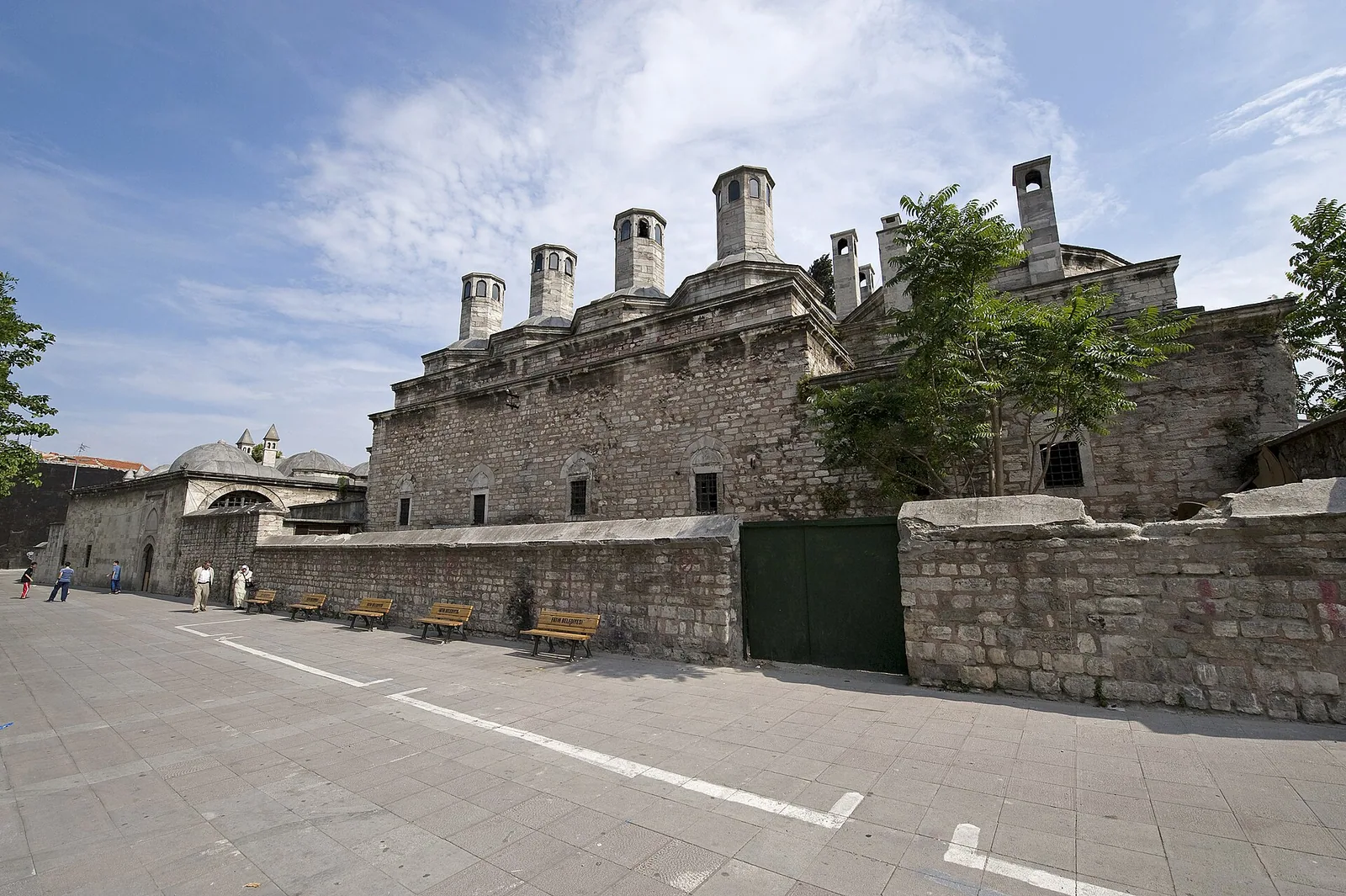
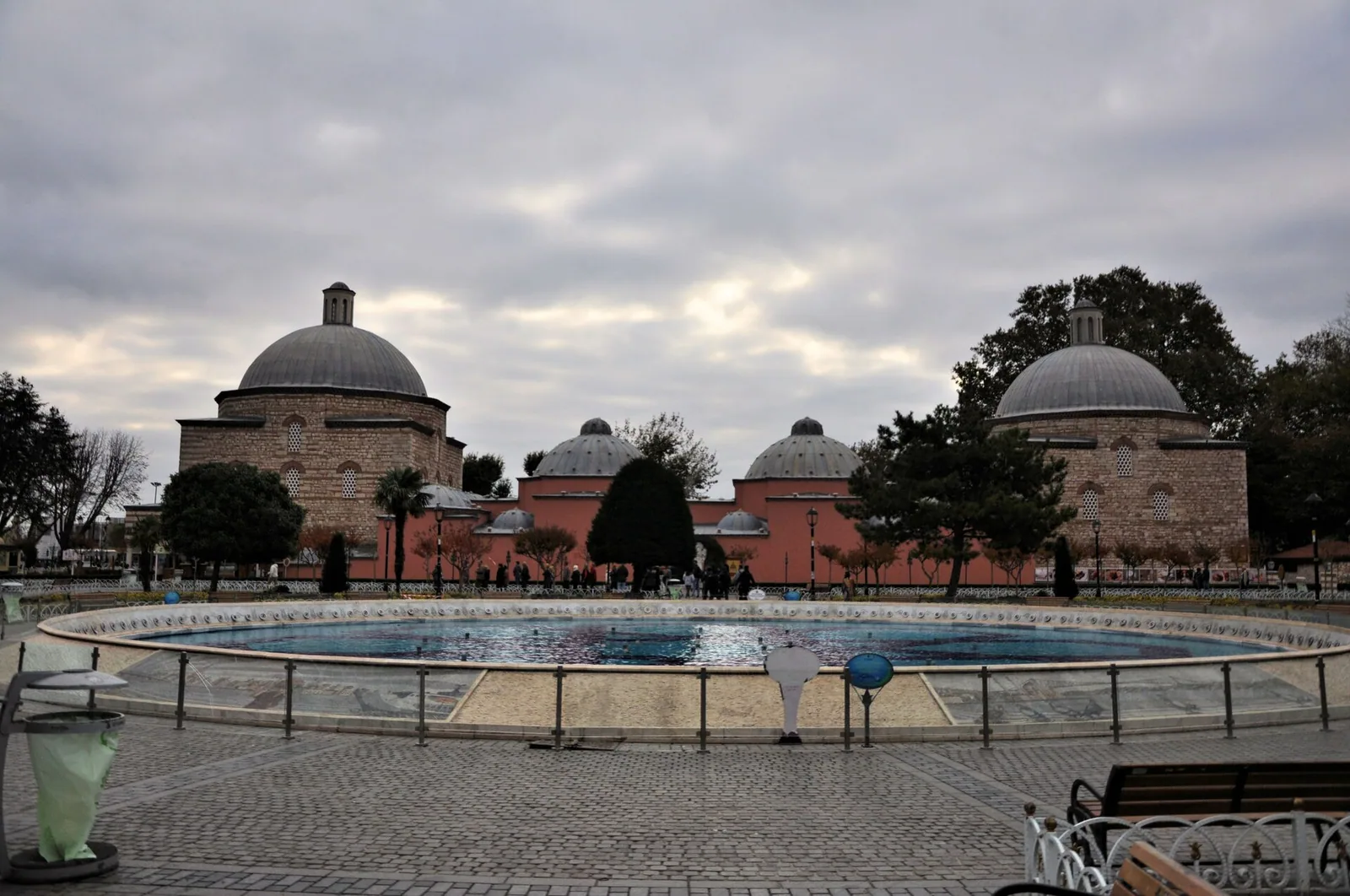
Then came, in 1553, a public bathhouse close to Hagia Sophia, also designed by Sinan. It has an architectural peculiarity worth pointing out: it is the first bathhouse to place the men's section and the women's section on a single axis, within one symmetrical building, where the custom had been to treat the two parts separately.
The detail looks minor. It is not. Aligning both halves on one axis means treating both publics as a single programme, and it can still be read today in the silhouette of the building, with its twin domes.
What her name still funded
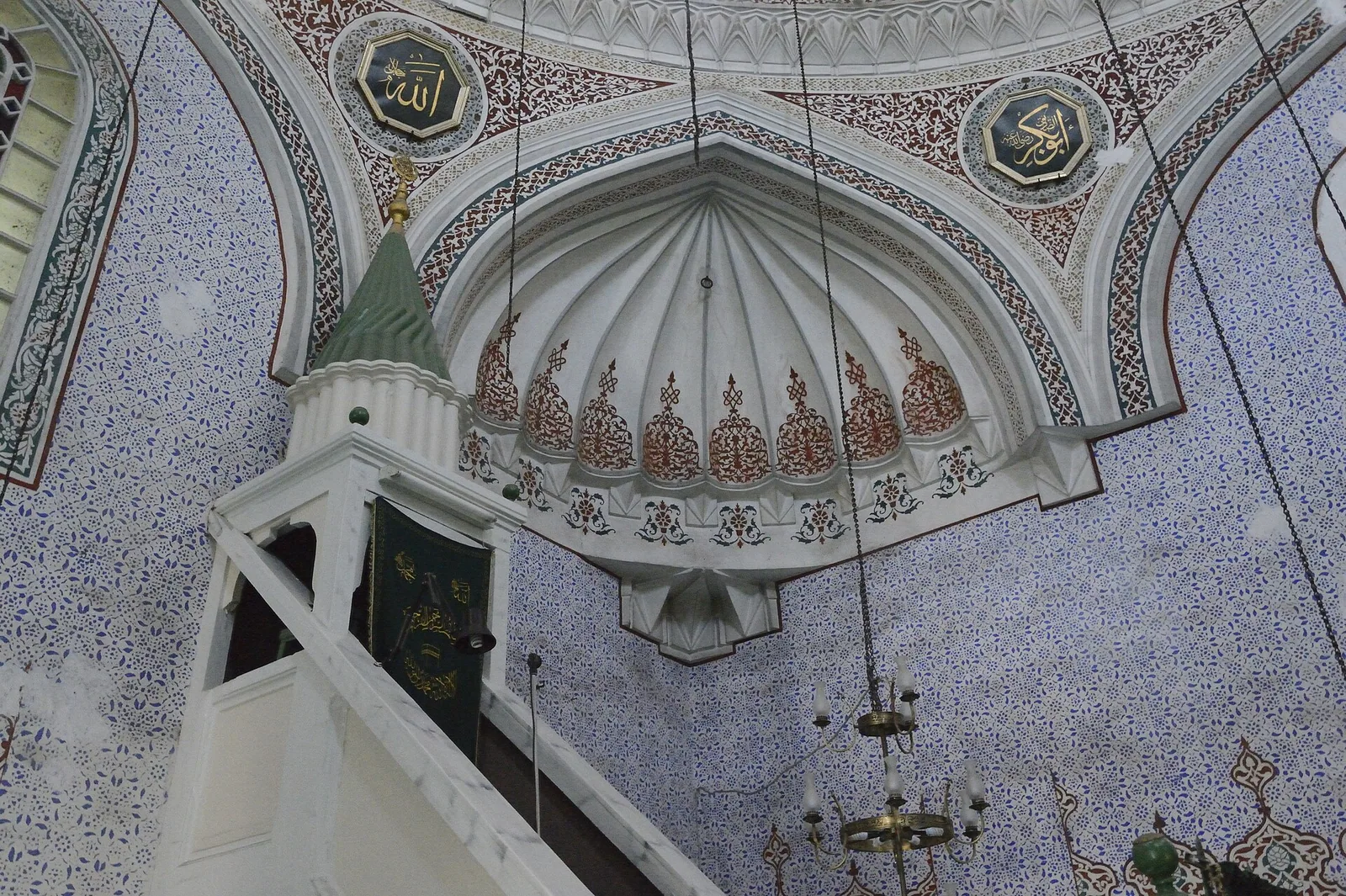
The network does not stop at those two cities. Complexes bearing her name appear at Edirne and Ankara, along with waterworks at Edirne. A mosque, a kitchen and an elementary school were founded in what is now Bulgaria. A public kitchen was set up at Mecca.
One scholarly caution belongs here: the full list of buildings associated with her name is not known. Some were built at her personal instigation, others in her name, and researchers do not always separate the two.
Three women, seven centuries
Her endowments do not stop at Jerusalem. In the holy cities she had kitchens established for the poor and for pilgrims, and the registers also credit her with work on water supply, though not always in terms precise enough to name the works.
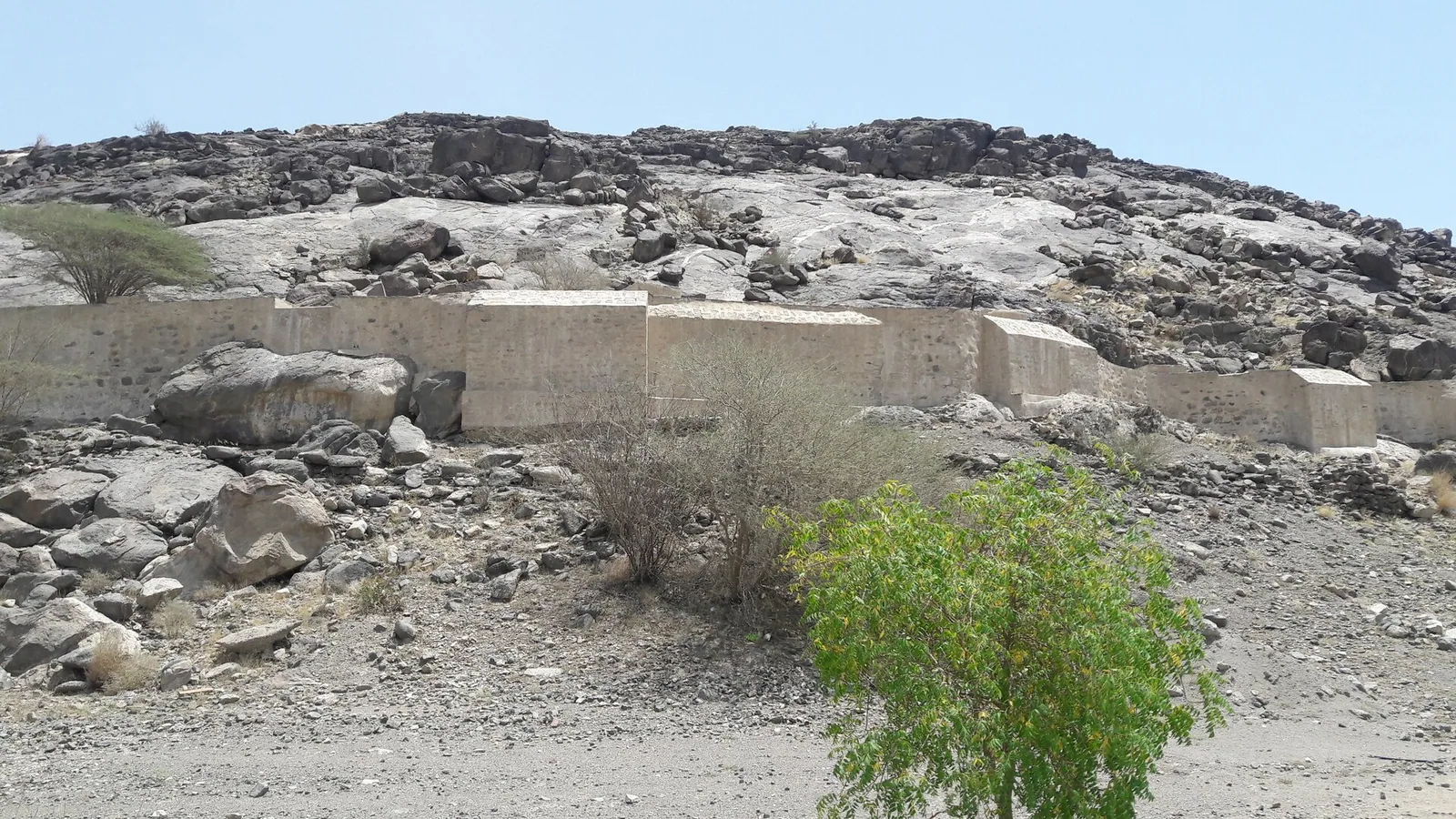
The repair sometimes placed to her credit, that of the Ayn Zubayda channels feeding Mecca, in fact belongs to Mihrimah Sultan, her daughter. The work was ordered in the mid sixteenth century and drew on a workforce of close to a thousand people. The confusion is common, and better corrected than passed on.
What the parallel keeps is wider and finer. Those channels carry the name of Zubayda, wife of the caliph Harun al-Rashid, who seven centuries earlier had endowed the pilgrimage road coming from Kufa, its wells and its cisterns, to the point where reservoirs along the route bore her name. Zubayda opens it, Mihrimah repairs it, Hürrem feeds Jerusalem: three women, seven centuries, the same road and the same pilgrims.
What this story does not say
Four cautions to close. The district name, Avrat Pazarı, translates literally as « the women's market », and several sources describe it as a market where enslaved women were sold. The primary attested sense, however, is a market held by women for a female clientele: we keep to the literal translation and do not harden the reading. Hürrem Sultan's standing at court has fed an abundant literature and a great deal of fiction: this article keeps to what explains her means to act, and leaves palace intrigue to others. The Istanbul hospital is sometimes presented as the first women's hospital in history. We do not advance that superlative, and we no longer say the hospital was reserved for women from its foundation: its endowment deed, drawn up in 1551, describes a general hospital open to all patients, and it was only after the nineteenth-century reforms that it was allocated to women. An earlier version of this article carried that confusion, corrected on 19 August 2026. We present this complex as the first of its scale commissioned by a woman in the capital, a wording we keep deliberately narrow, « of this scale » and « in the capital », having been unable to attach it to a single authority. Finally, on the Jerusalem kitchen, we can say more than an earlier version of this article suggested: it was still working under the British administration, and it still serves meals today, on the order of a thousand a day according to a 2021 report. It is commonly described as the oldest public kitchen in the world still in operation, a superlative no authority certifies and which we therefore report as such.
To go further: the Ottoman mosques of Istanbul, the page on the Süleymaniye Mosque and the story of the jars hidden in its dome, another site by the same architect.