
Home › Qibla › Iraq, Syria, Yemen: the corners of the Kaaba are named after countries
Episode 3 · Mecca · 8 min read
Iraq, Syria, Yemen: the corners of the Kaaba are named after countries
Every mosque in the world turns towards the Kaaba. But the building itself is oriented, and not at random. Its four corners point roughly to the cardinal directions, its four walls therefore face in between, and that orientation was read in the sky long before it could be read on a compass.
A rectangle, not a cube
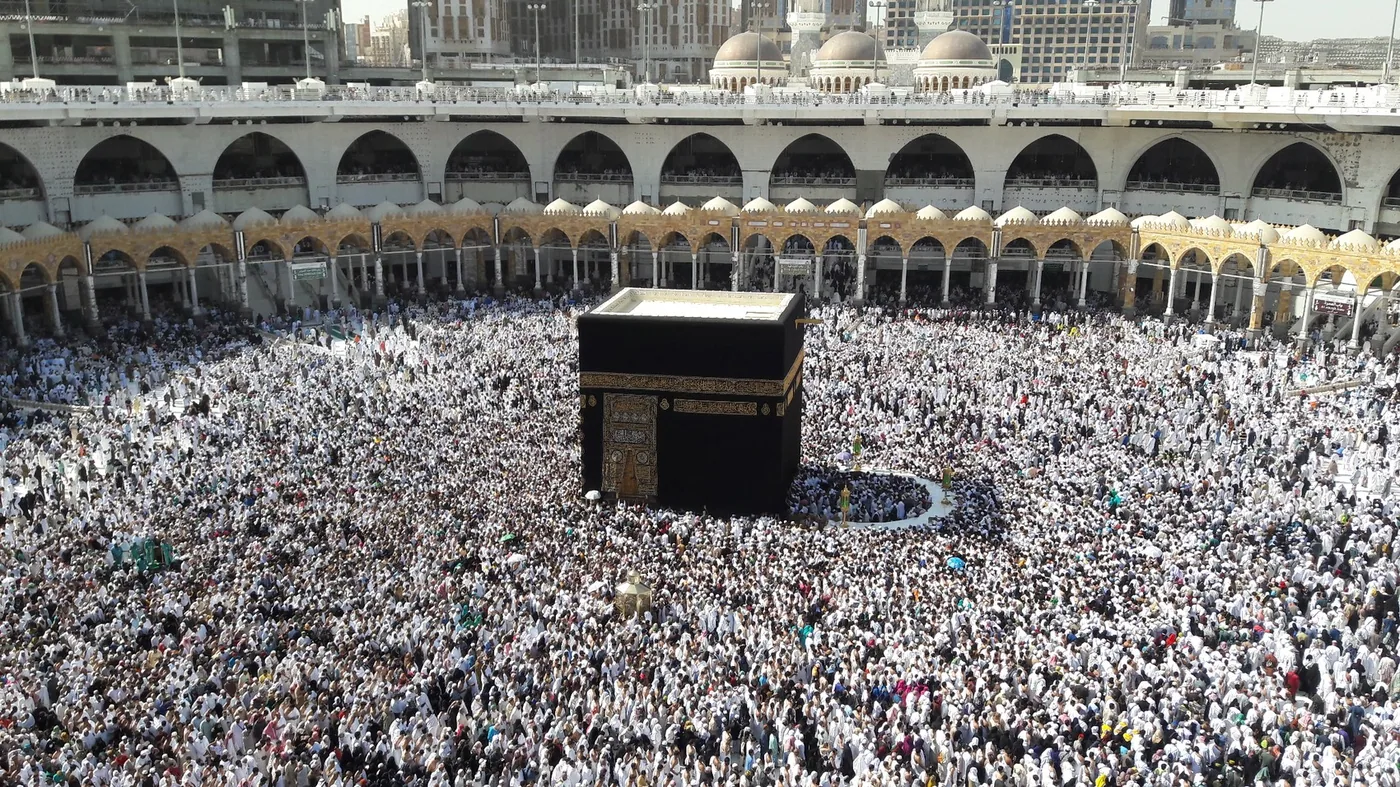
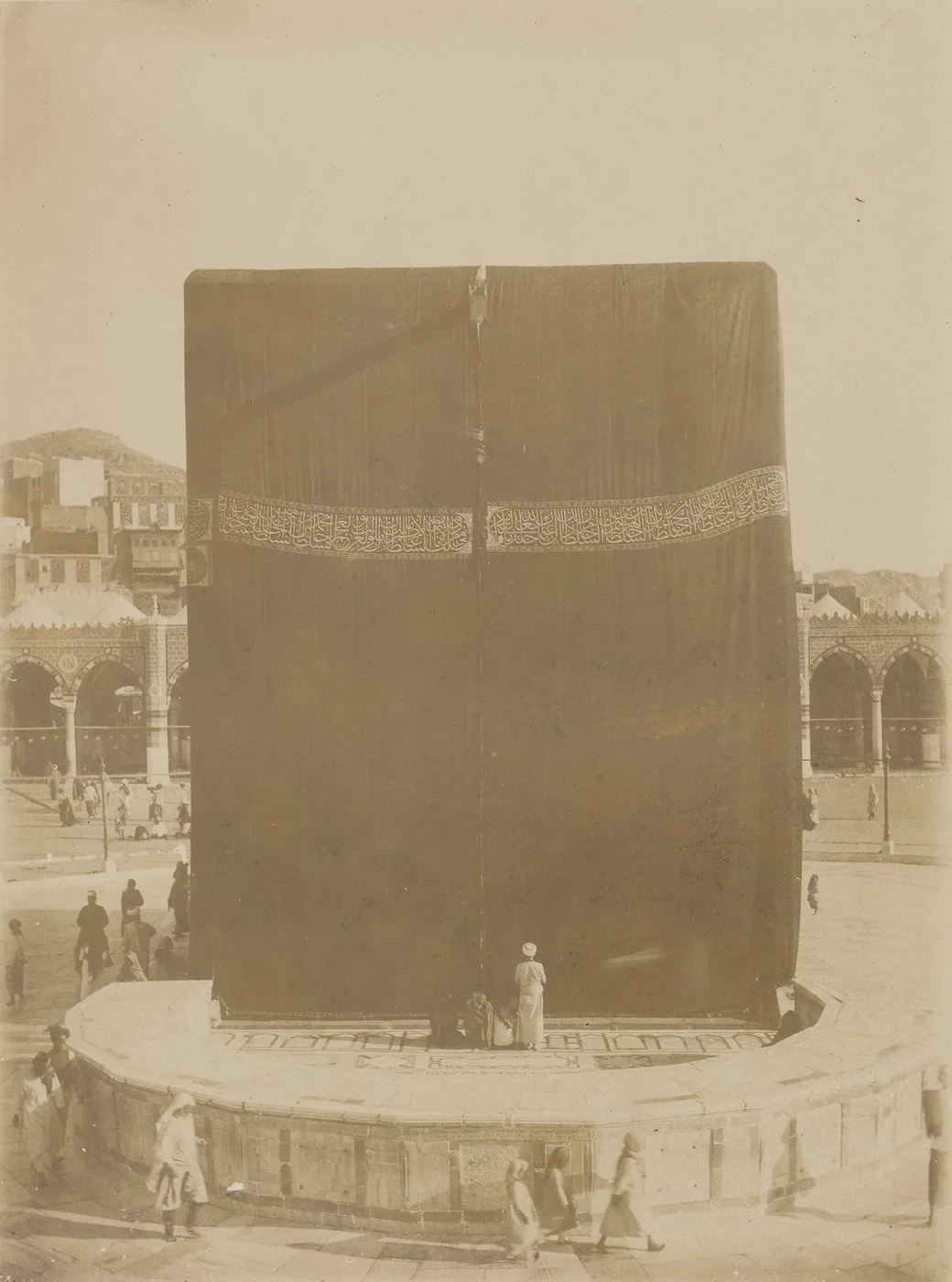
The Kaaba is often called "the cube", and the Arabic word carries that idea too. Yet the building is not a cube. Its base is a rectangle: two sides a little over twelve metres, two sides of about eleven metres, for a height close to thirteen metres. Published measurements vary by a few tens of centimetres depending on the period and the rebuildings, but the difference between the long and the short sides never disappears.
That difference is not a mason's detail. A rectangle has a direction, which a perfect cube would not have. It has a major axis and a minor axis, and those two axes point somewhere. Everything that follows starts there.
The four corners, and what their names recall
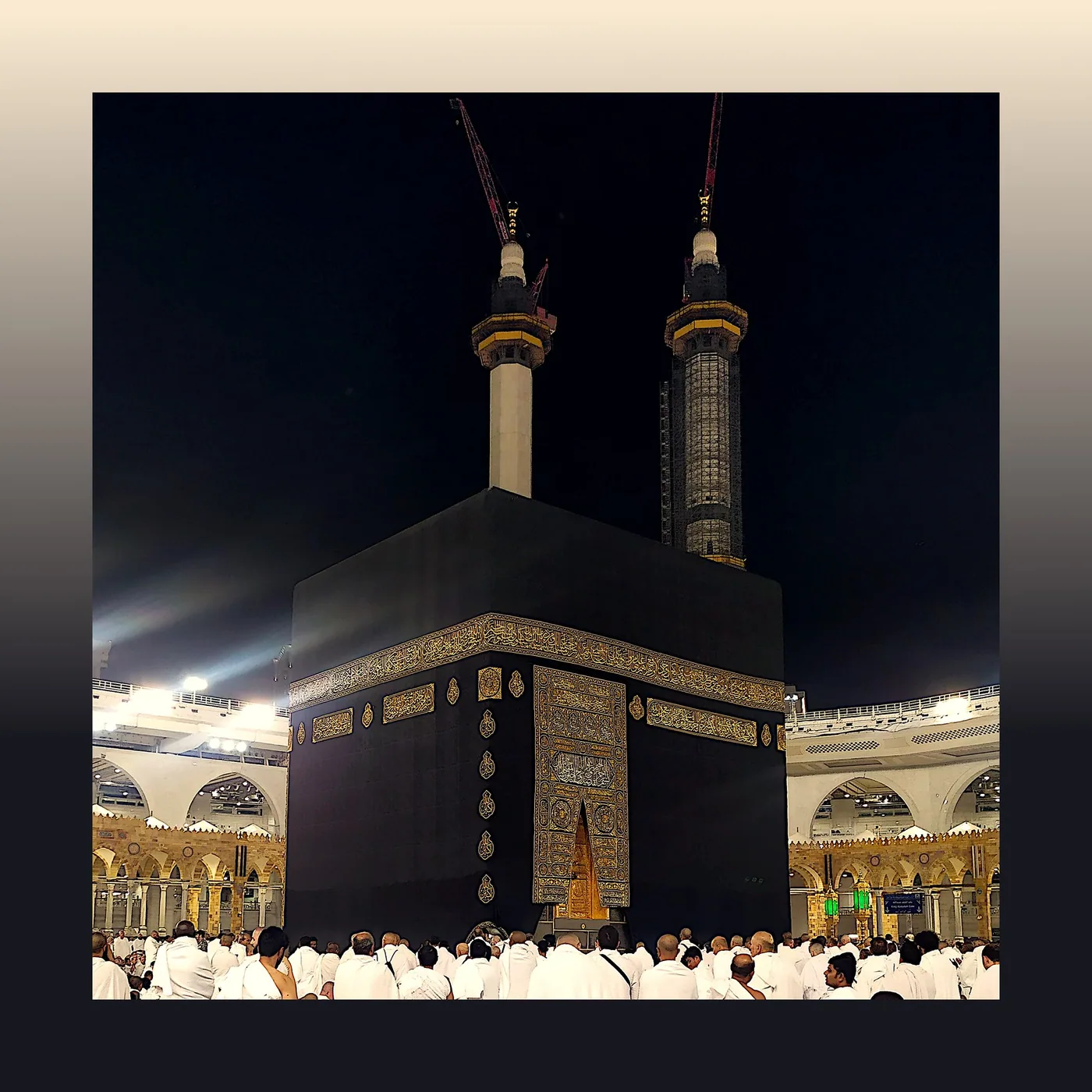
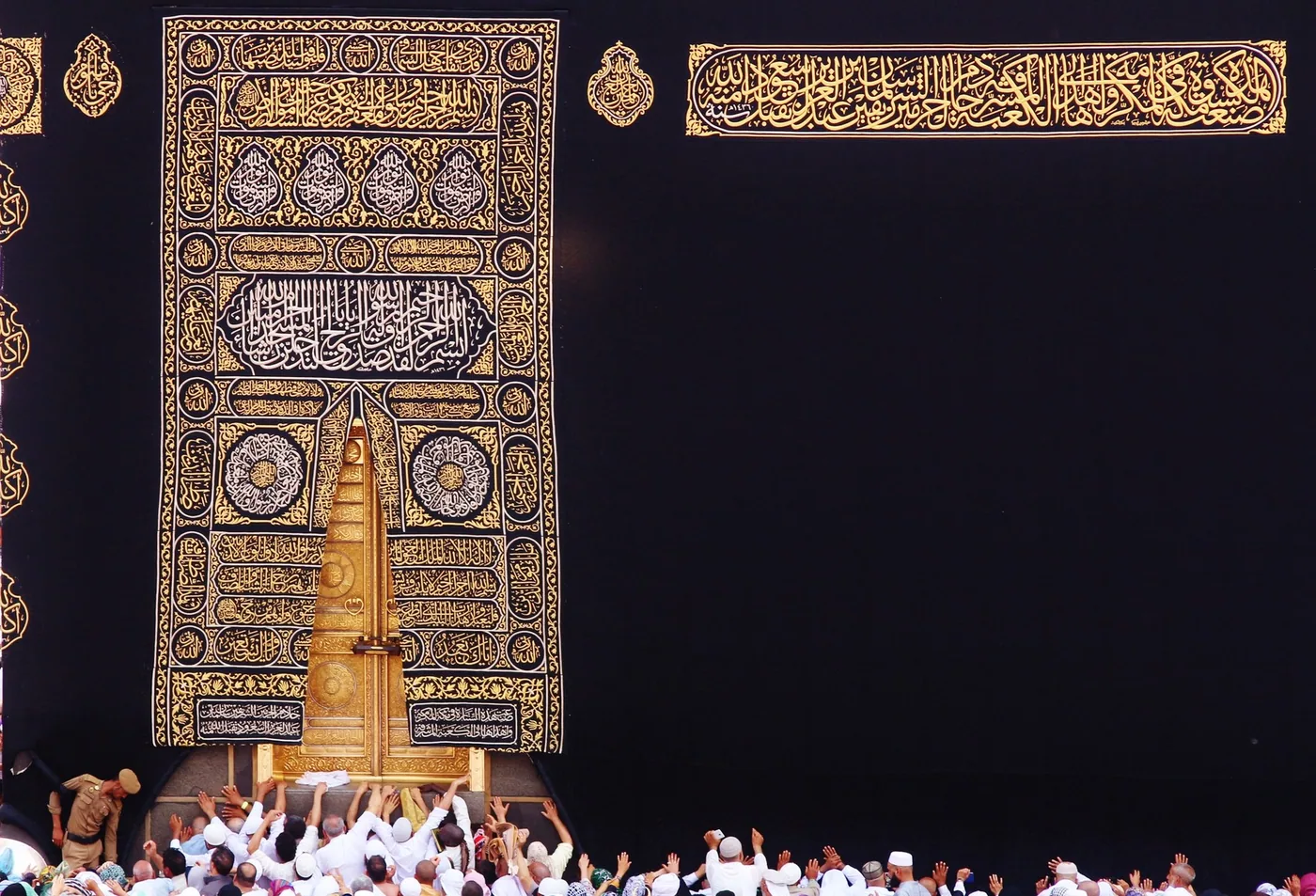
The starting point often surprises: it is not the walls of the Kaaba that face north, south, east and west, it is its corners. Their traditional names still carry the trace of it. The Iraqi corner faces north, the Syrian corner west, the Yemeni corner south, and the corner of the Black Stone east.
The consequence is immediate: the walls face the intermediate directions, north-east, south-east, south-west and north-west. So when an old text says that a region "faces" a given wall, it is naming one of those four oblique directions, never a cardinal point.
What the long sides point to
The two long sides of the building are aligned with the rising of one particular star: Canopus, the second brightest star in the night sky, known in the Arabic tradition as Suhayl. Seen from Arabia it rises very low over the south-south-eastern horizon, which makes it an easy and spectacular landmark, long used to find one's way across the desert.
At the latitude of Mecca, a little over twenty-one degrees north, that rising occurs at about one hundred and forty-nine degrees measured from north. That is exactly the direction in which the long sides of the Kaaba run.
What the short sides point to
The two short sides follow the sunrise at the summer solstice, the longest day of the year, around 21 June. At the same latitude that sunrise occurs at about sixty-five degrees. In the opposite direction, the same axis points to the sunset at the winter solstice, around two hundred and forty-five degrees.
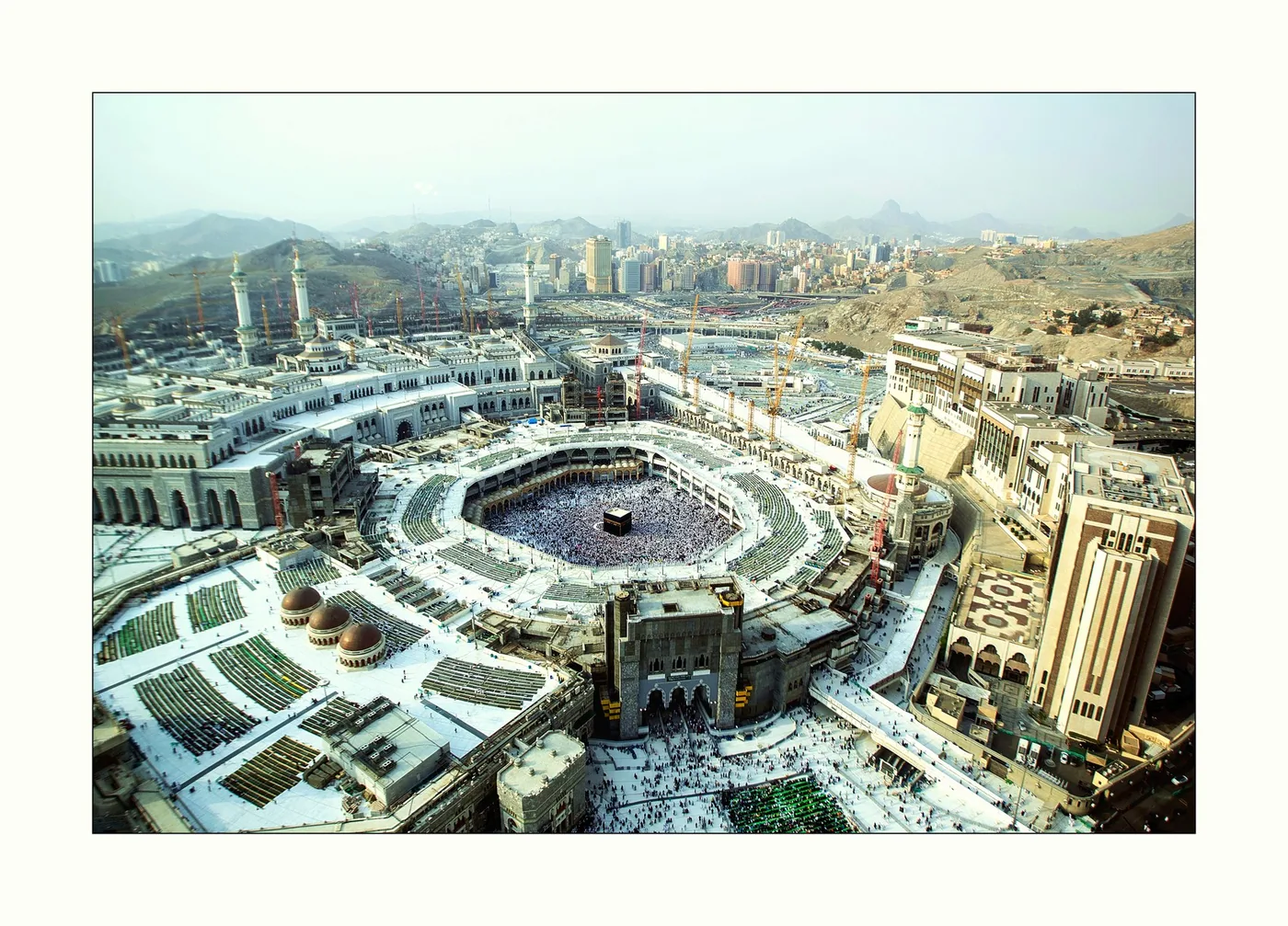
The two directions are therefore about eighty-four degrees apart. Almost a right angle, but not quite: that gap is what gives the building its slightly irregular shape, the one visible in pictures taken from above.
Both values were recomputed for this page from the latitude of Mecca and the declination of the bodies involved. They are geometric azimuths: they take into account neither atmospheric refraction near the horizon nor the mountains surrounding the city, two factors that shift the observed rising by one to two degrees. Hence the "about" in front of every figure.
Why the sky, and not a compass
The question is worth turning around: at the time the Kaaba took its present shape, what else could anyone have used? The compass reaches the Muslim world much later, and it points to a magnetic north that is not quite geographic north anyway. The sky, on the other hand, is visible to everyone, everywhere, for free, and it returns to the same places every year.
Aligning a building on the rising of a star is therefore neither exceptional nor mysterious. Builders did it all over the planet for thousands of years, in Egypt, in Mesopotamia, in Central America and in Arabia alike. The sky is the only shared reference system available before measuring instruments existed.
Muslim astronomers described it themselves
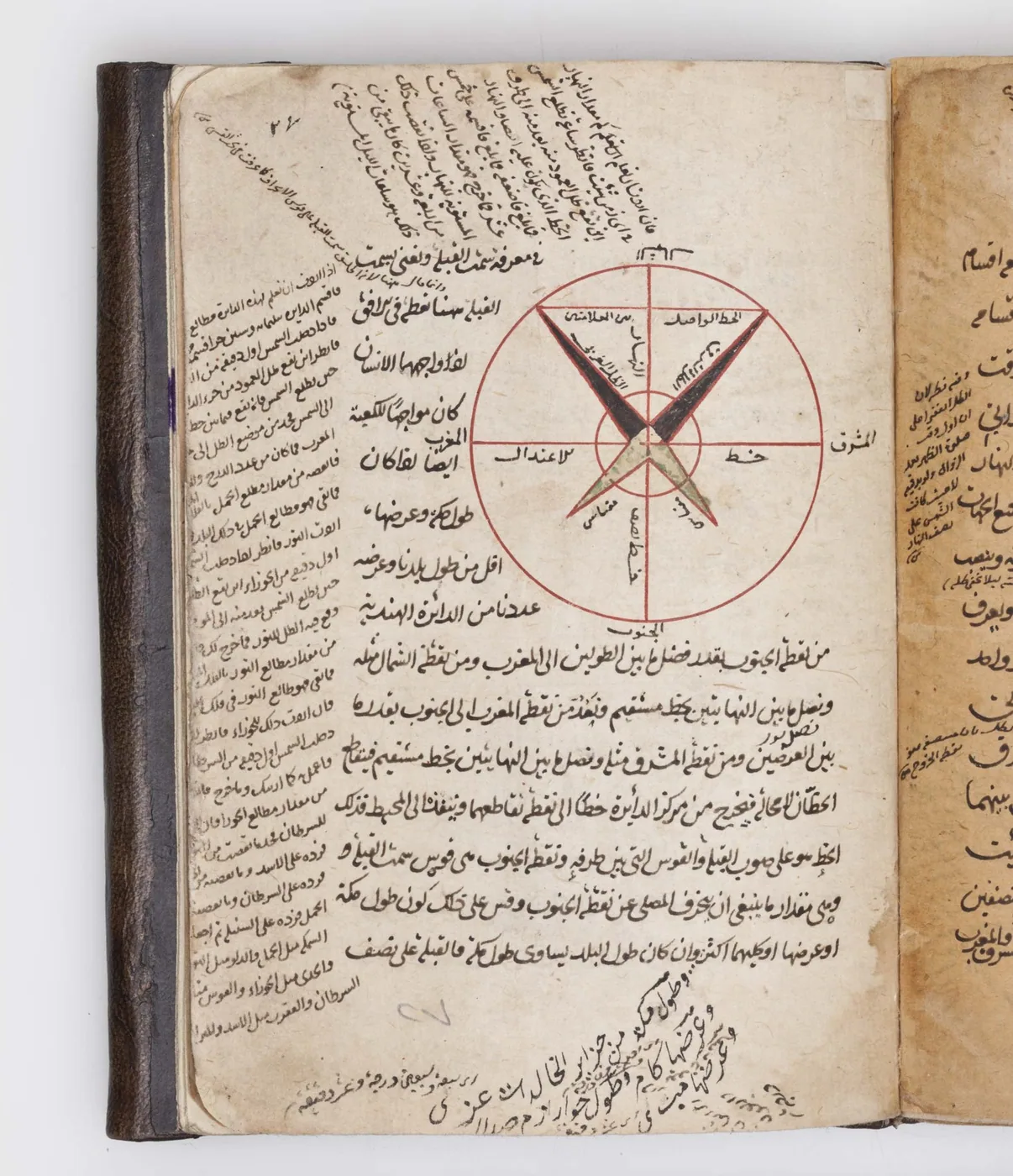
This is not a modern reading imposed on an ancient building. The treatises of sacred geography written in the Middle Ages describe these alignments themselves, name them, and use them. Their reasoning holds together from end to end: since the building is set on known star risings, the prayer direction of a region can be defined by assigning it one of the walls, without measuring a single distance.
Historians of science have studied that corpus, in particular David A. King, who catalogued dozens of these schemes distributing the world around the Kaaba. The medieval authors do not contradict each other on this point: the astronomical orientation of the building is a settled fact on which everything else rests.
The direct link with Cordoba
This is where episode 2 finds its full explanation. In those old schemes, Spain faces the north-west wall of the Kaaba. Standing in front of that wall when you come from the north-west means looking towards the south-east, that is about one hundred and fifty degrees. That is precisely the axis of the Great Mosque of Cordoba.
In other words, the Andalusian convention was not a fallback. It gave a direction anyone could recover at night, simply by looking up, with no trigonometry and no instrument. What looks to us today like a fifty-degree error was, within that logic, a perfectly defined answer.
What this does not say
One clarification matters, because the subject invites exaggeration. Saying that the building is aligned with star risings does not turn the Kaaba into an observatory, and ascribes no astronomical intention to those who built or rebuilt it. The alignments can be measured and documented; intentions cannot, and historians carefully stop at the observation.
Nor does it change the way the prayer direction is computed today: by the shortest path on the sphere, as episode 1 explains. From where you are, that bearing is given by the Qibla Compass page. The story told here is not an alternative method: it is the explanation of what people did when they had neither our maps nor our instruments.