
Home › Blog › Domes and minarets: why recognise a mosque from afar?
Architecture · 6 min read · 2026-01-19
Domes and minarets: why recognise a mosque from afar?
A distinctive silhouette on the skyline of Istanbul, Cairo or Casablanca: the dome and the minaret have become, in the popular imagination, the visual emblems of the mosque. Yet neither existed in the time of the Prophet (peace and blessings of Allah be upon him) : both are gradual additions, laden with history and very concrete functions.
The minaret, a tower for the call to prayer
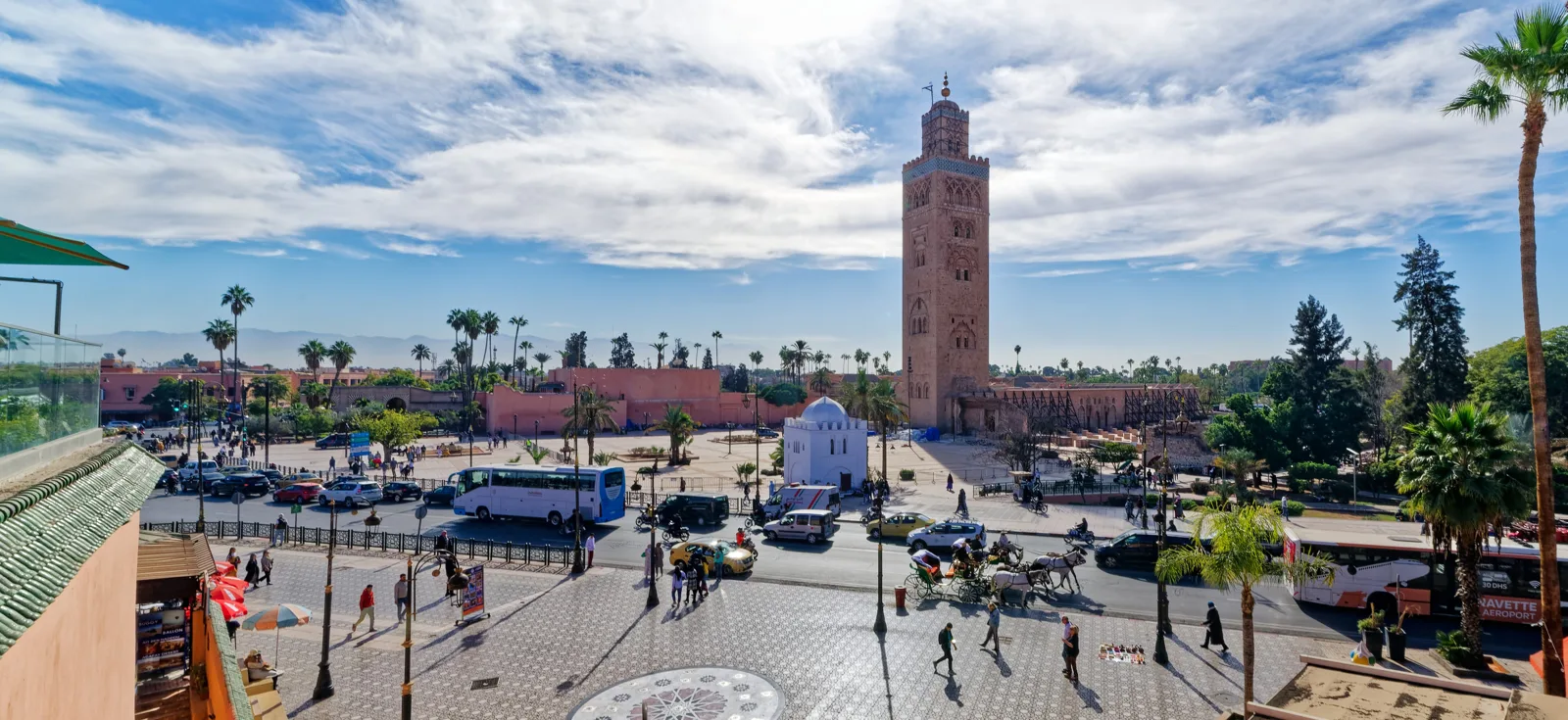
The word "minaret" comes from the Arabic manāra, "that which gives light" : originally, these towers sometimes served as lighthouses or landmarks. Their function settled around the call to prayer (adhan): from atop the minaret, the muezzin needed to carry his voice as far as possible across the city. Shapes vary enormously by region: squat square minarets in North Africa (as at the Koutoubia in Marrakech), slender rocket-like towers in the Ottoman world, a conical spiral-shaped minaret at the Great Mosque of Kairouan, one of the oldest in the Islamic world.
The dome, an engineering challenge before it was a symbol
The dome is not originally anything specifically Islamic: the Romans and then the Byzantines already used it to cover large spaces without intermediate columns. Muslim architects inherited it, notably after the conquest of Constantinople, and made it the central element of the imperial Ottoman mosque. Technically, the dome allows a vast prayer hall to be covered in a single span, without pillars that would obstruct the alignment of rows of worshippers : a genuine liturgical advantage as much as an aesthetic one.
Engineering records
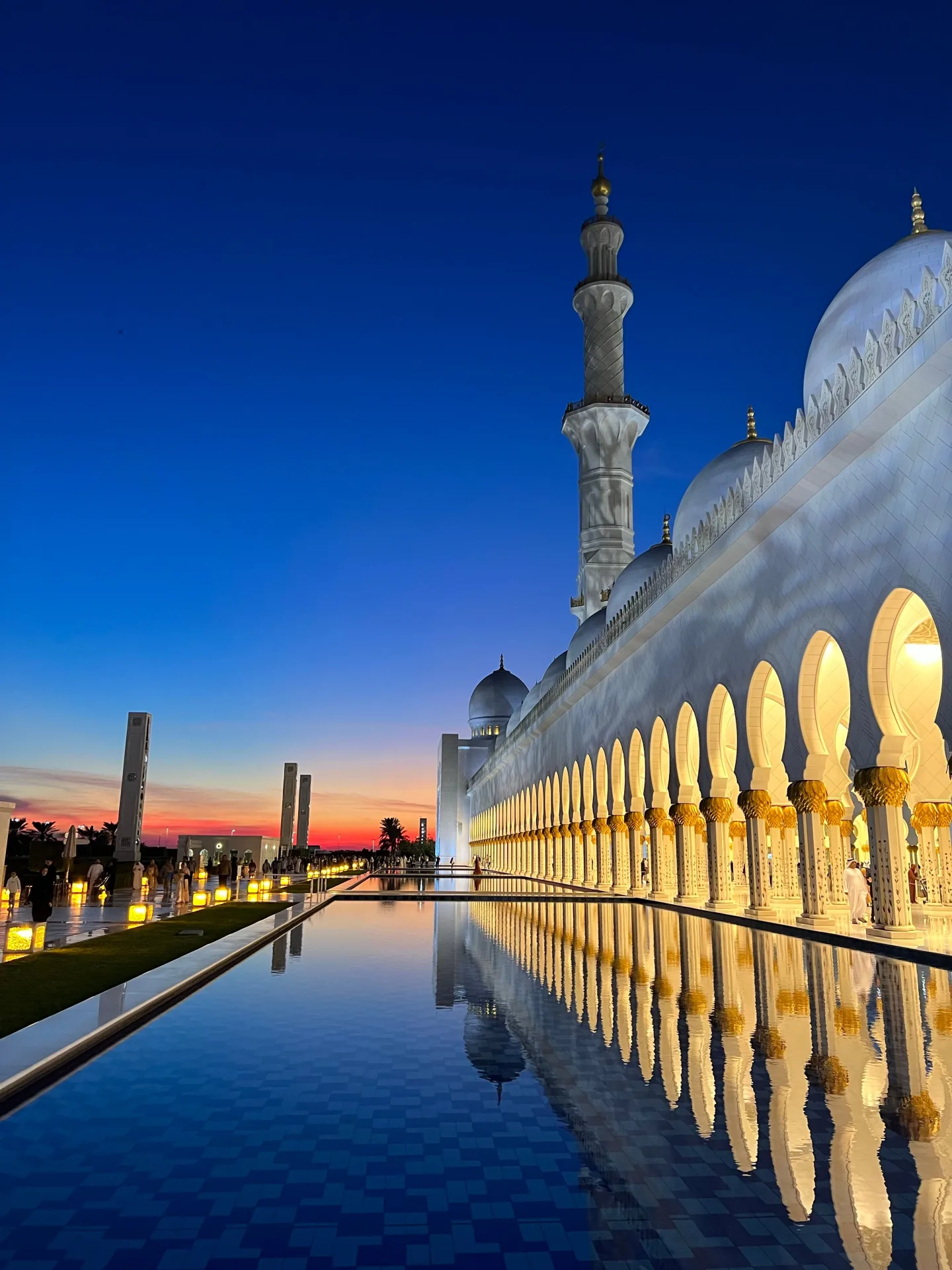
Some domes have become genuine feats of engineering: that of the Sheikh Zayed Mosque in Abu Dhabi, in white marble, ranks among the largest in the world; the minaret of the Hassan II Mosque in Casablanca, over 200 metres tall, long remained the tallest in the world. Conversely, some great historic mosques, such as the one in Djenné, built of banco (rammed earth), do almost entirely without a dome: its wooden buttresses (the torons) and pyramidal silhouette answer a different constraint : that of earthen construction in a Sahelian climate.
Two symbols, one shared function: to orient and gather
Beyond the technical feat, the dome and the minaret fulfil a shared function: signalling the community's presence and organising the space of prayer. The minaret calls and gathers; the dome shelters and unifies the gaze towards the mihrab, the niche indicating the direction of Mecca. Two different architectural answers to the same spiritual requirement.
Discover
Mosques mentioned in this article
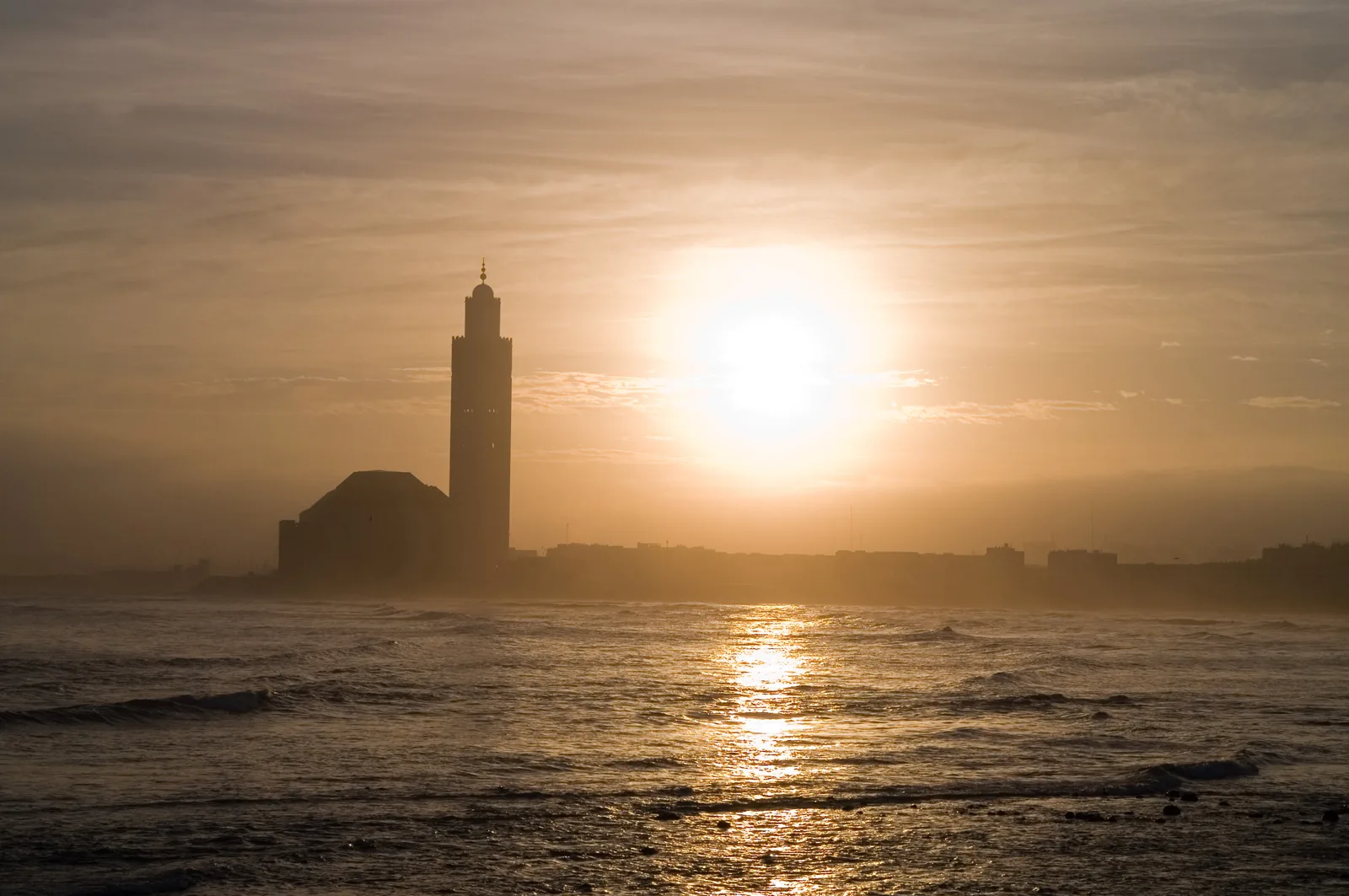
Hassan II Mosque
A giant standing on the Atlantic: a 210-metre minaret, a retractable roof and Moroccan craftsmanship at its peak.
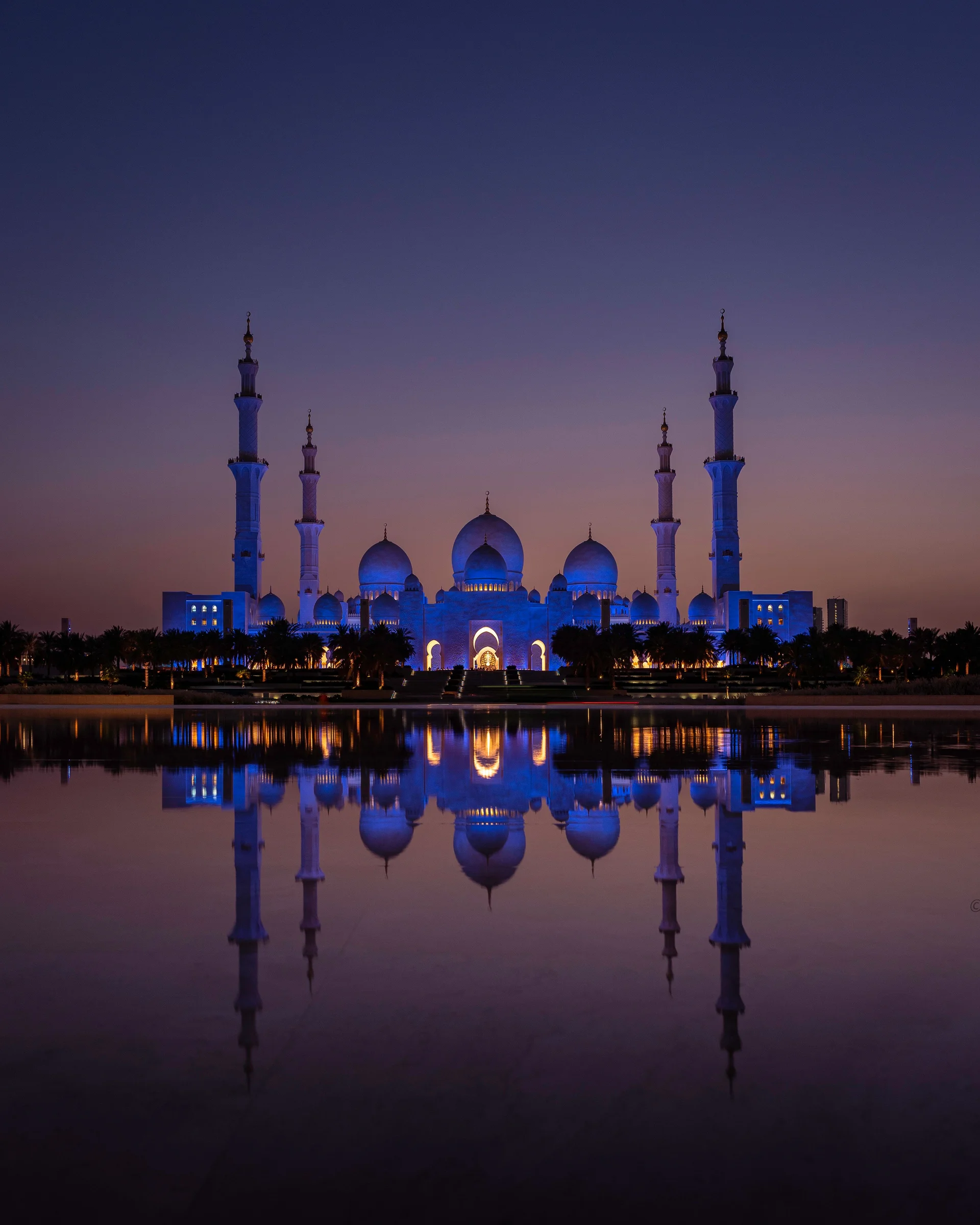
Sheikh Zayed Mosque
82 white marble domes, the world's largest hand-knotted carpet and crystal chandeliers.
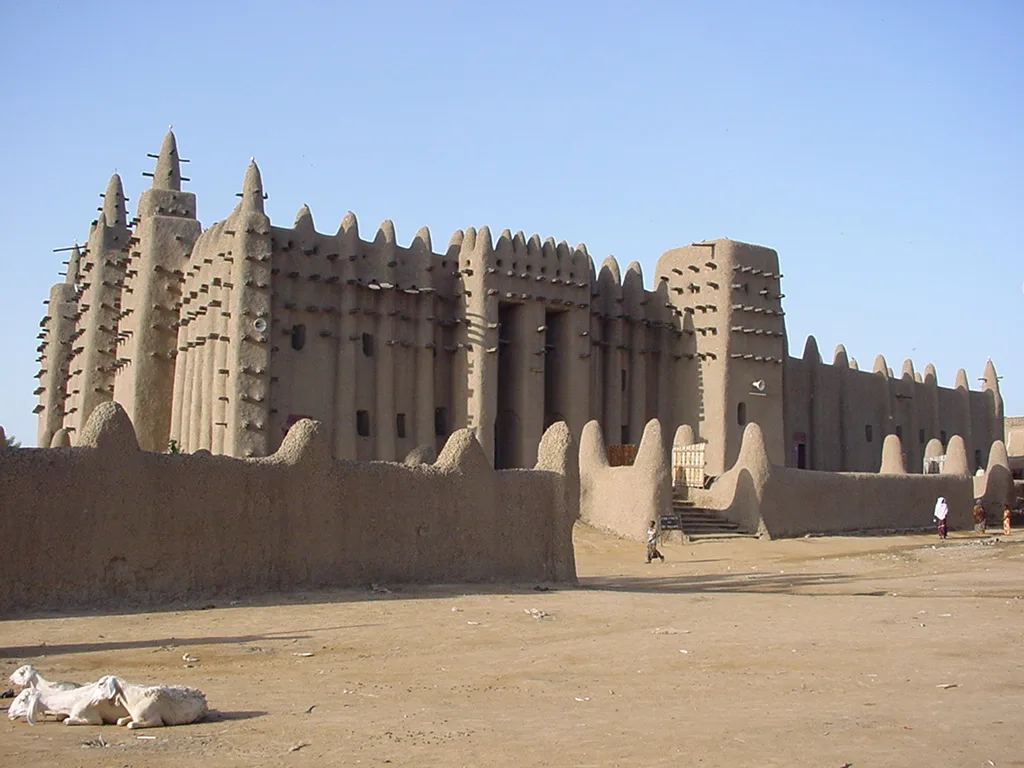
Great Mosque of Djenné
The world's largest building made of rammed earth, replastered every year by the entire town in celebration.
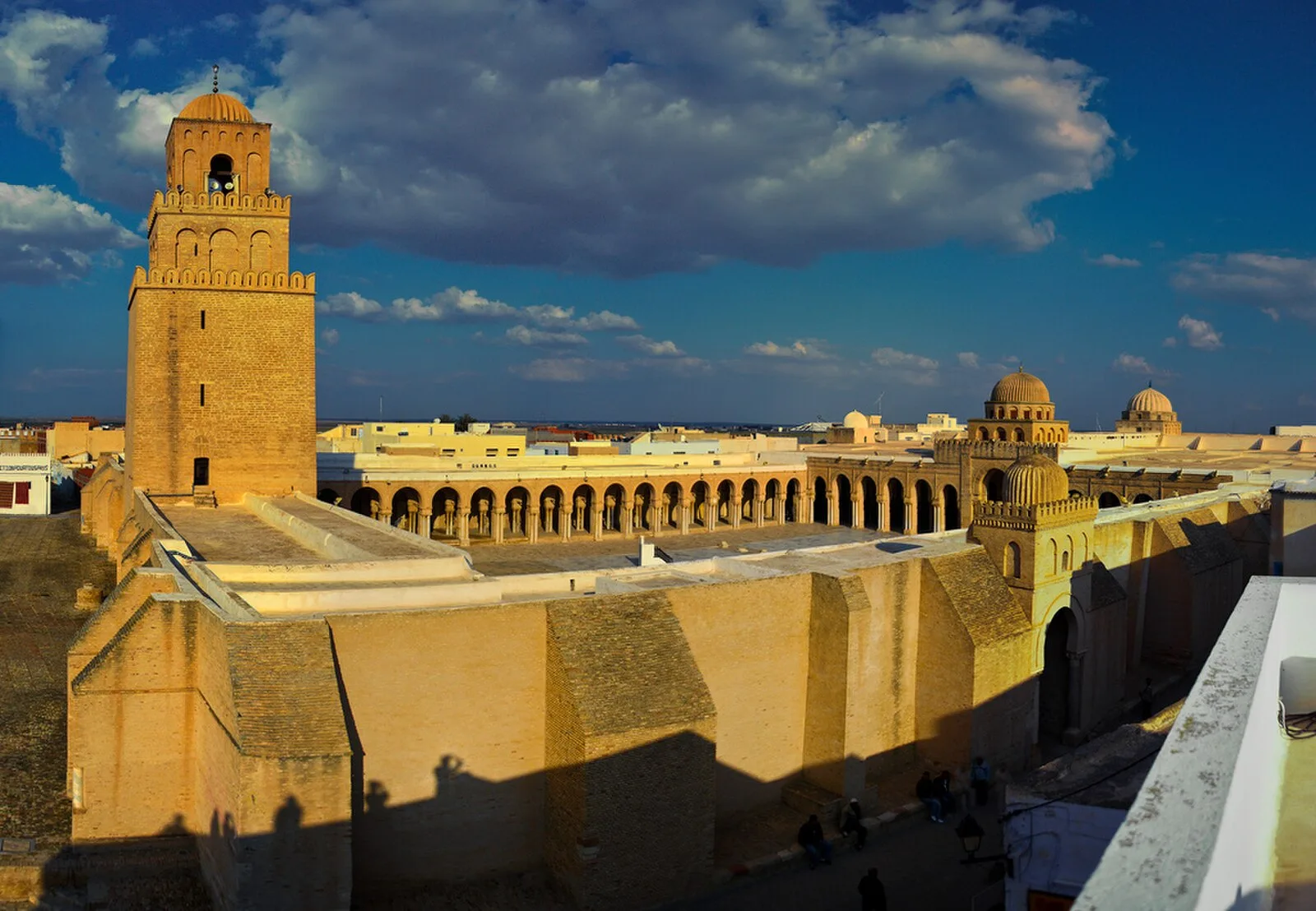
Great Mosque of Kairouan
The oldest great sanctuary of the Muslim West, a fortress of faith with 400 ancient columns.
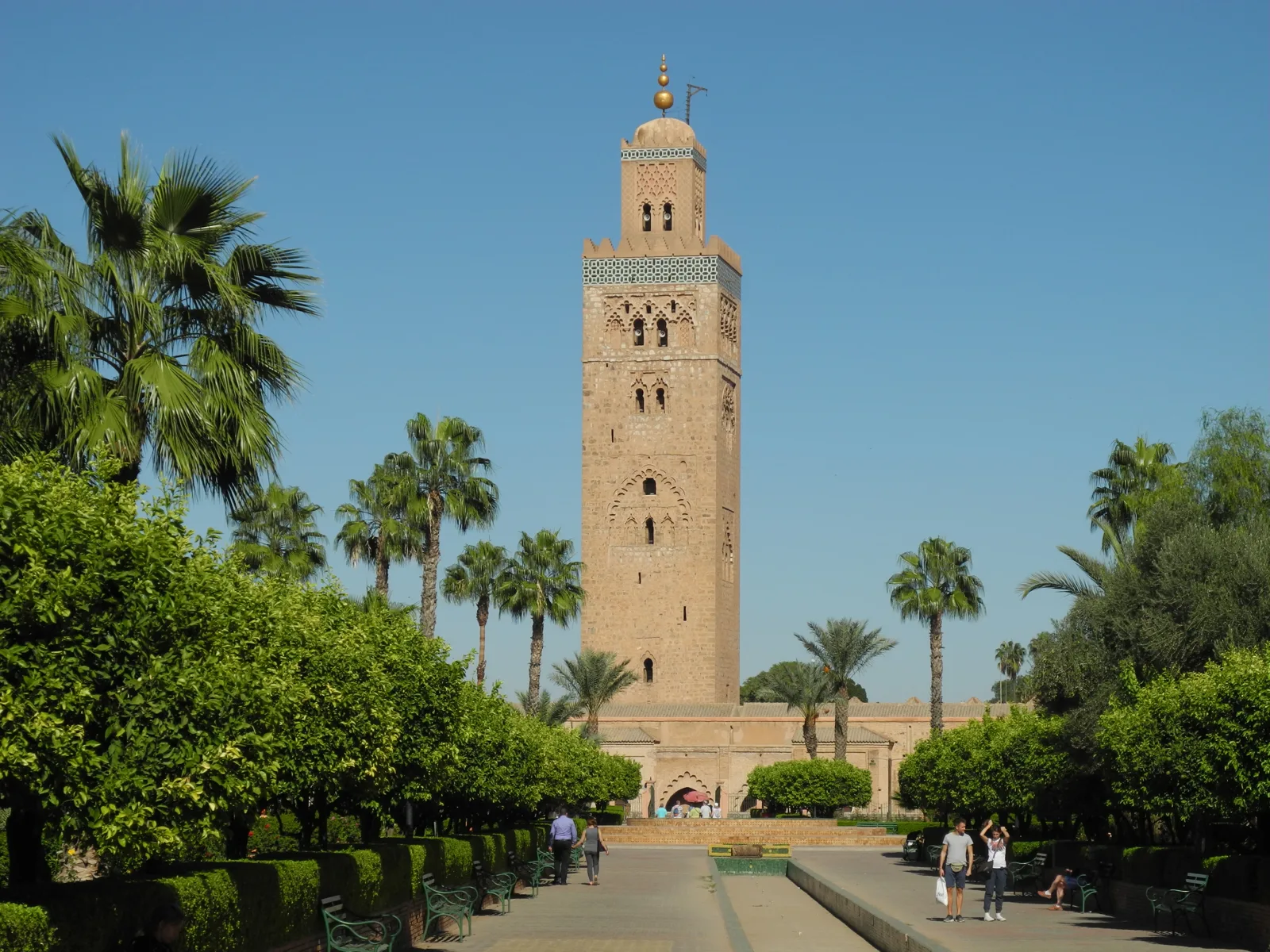
Koutoubia Mosque
Marrakech's beacon minaret, model for the Giralda in Seville and the Hassan Tower in Rabat.
About this page's content: this site offers editorial and cultural content written with care and respect for the religious traditions concerned; it does not constitute a theological opinion or a source of religious authority. Despite our checks, errors, inaccuracies or approximations may remain. If you spot one, please let us know via the Contact page or by email at qibla.mosk@gmail.com, and we will correct it gratefully.