
Home › Blog › Mecca and Medina: the two holy sites of Islam
History · 6 min read · 2026-02-02
Mecca and Medina: the two holy sites of Islam
Two cities, two sanctuaries, one shared starting point: it was in Mecca and Medina that Islam took root in the 7th century. Fourteen centuries later, Masjid al-Haram and Masjid an-Nabawi have become the two largest places of worship on the planet, never once ceasing to grow.
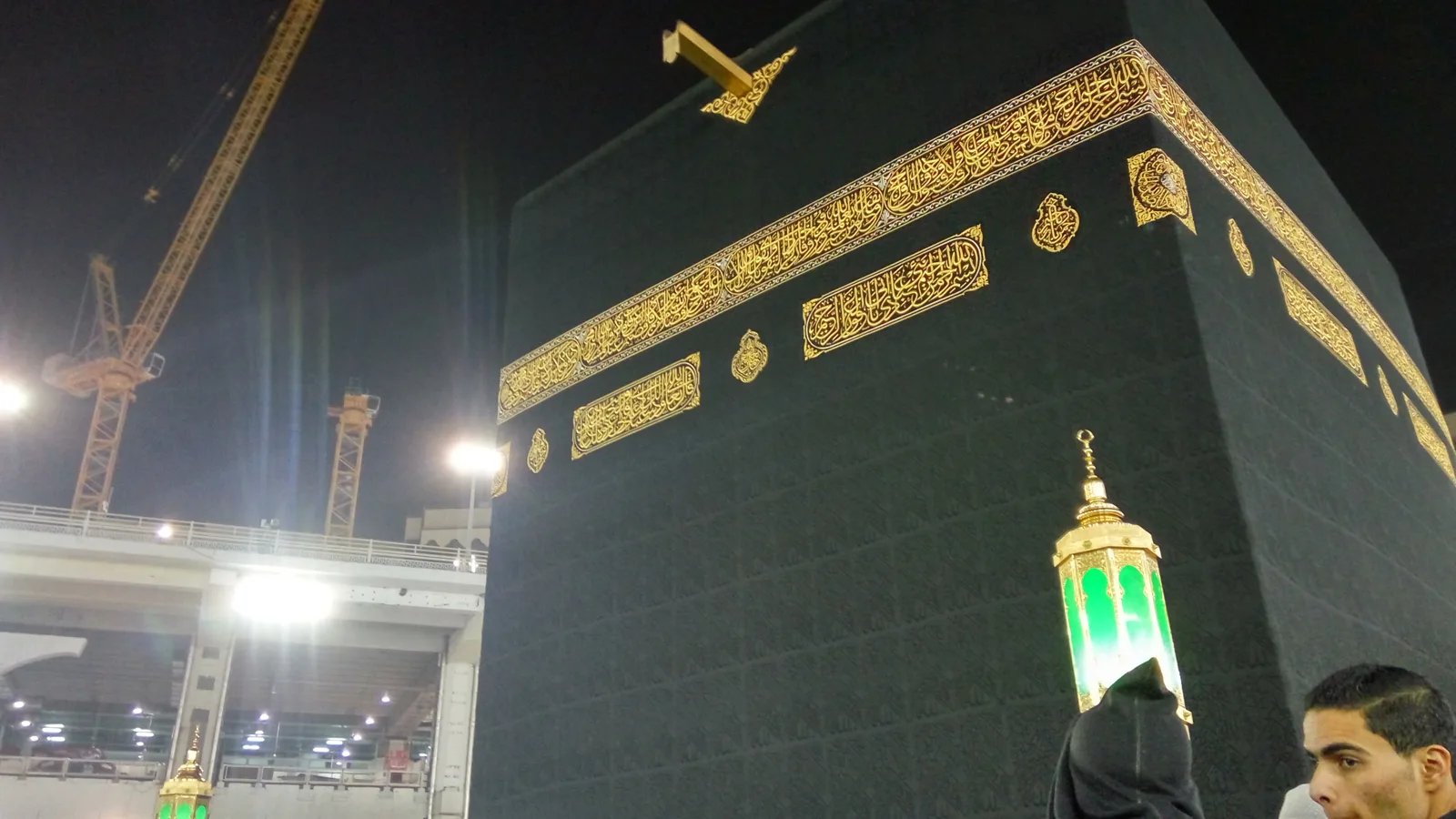
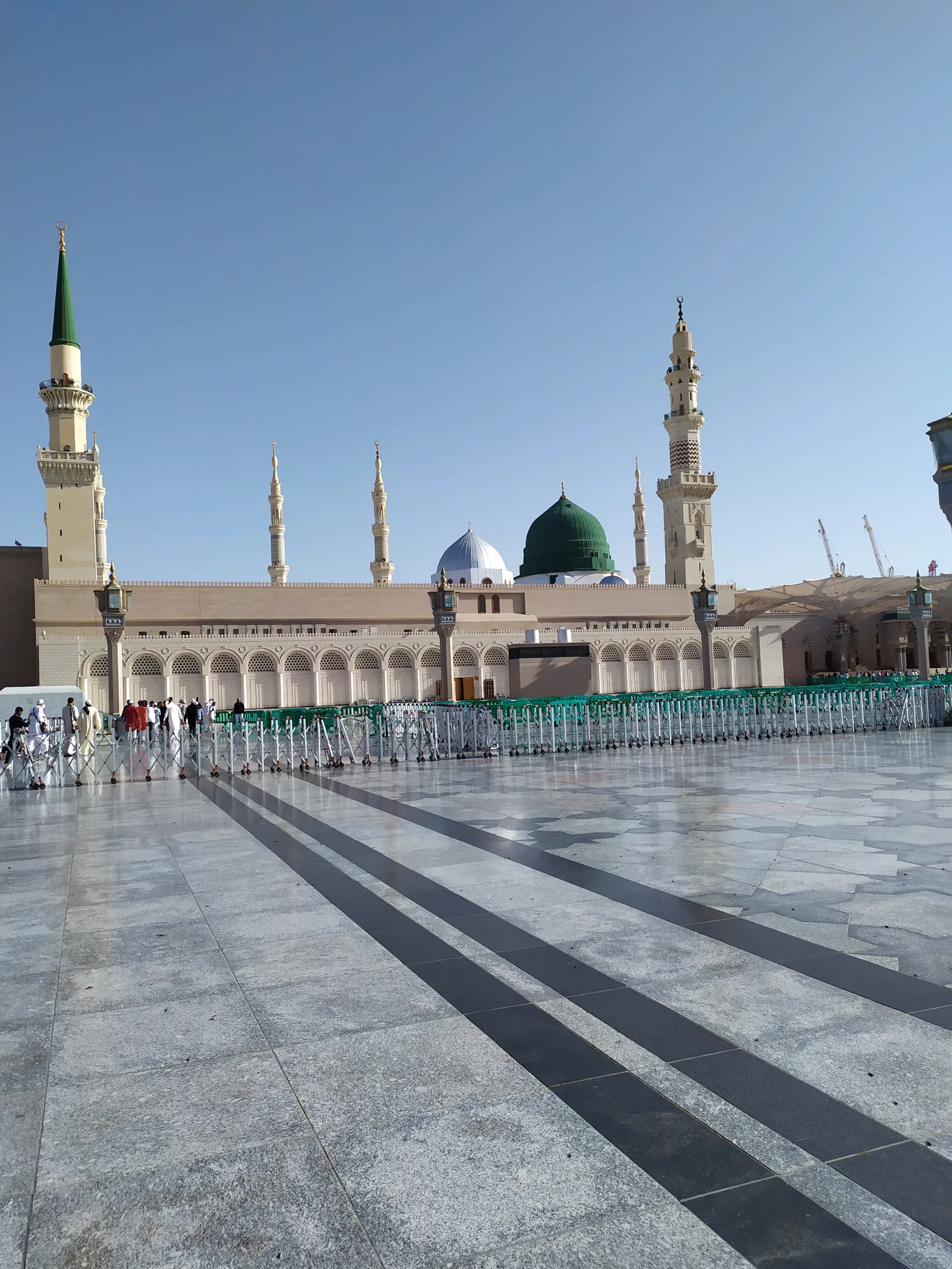
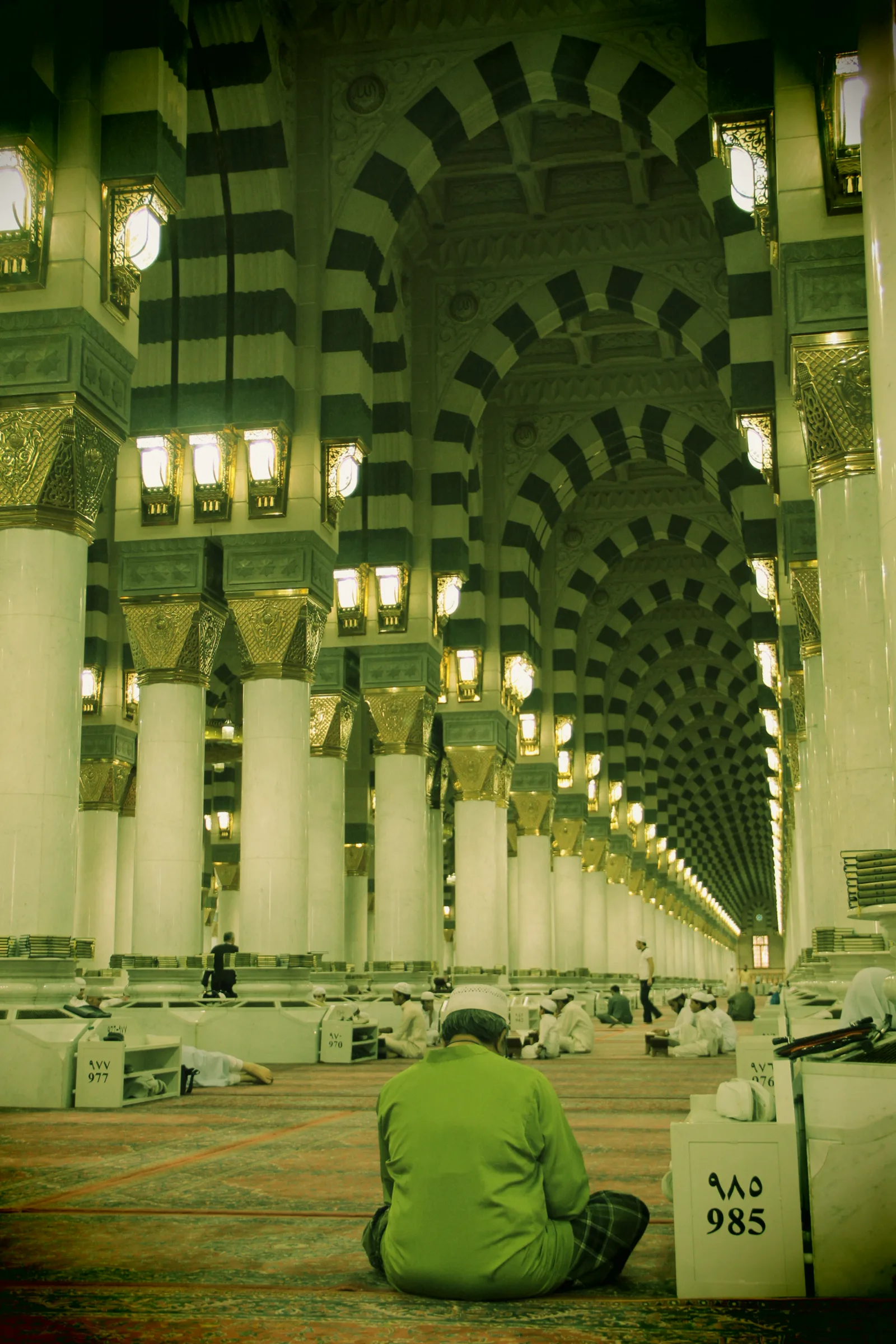
The Sacred Mosque, around the Kaaba
Masjid al-Haram surrounds the Kaaba, the cubic structure towards which Muslims worldwide turn in prayer. A simple open-air enclosure in the earliest days of Islam, it has never stopped growing: the Umayyad and Abbasid caliphs gave it its first arcaded galleries, the Ottomans its stone domes, before 20th- and 21st-century Saudi extensions made it the largest sanctuary in the world. The Black Stone set into the corner of the Kaaba is said, by tradition, to have fallen from the sky in the time of Adam; the Zamzam well, located within the enclosure, has supplied pilgrims with water for centuries.
A permanent construction site, on the scale of the pilgrimage
The current sanctuary covers dozens of hectares across several levels, served by a network of tunnels, esplanades and minarets rising over 100 metres. Every year it hosts the Hajj, one of the largest human gatherings in the world, making it as much a logistical feat as a spiritual masterpiece. The neighbouring clock tower, the Abraj Al Bait, bears one of the largest clock faces in the world, visible for miles.
The Prophet's Mosque, founded in 622
340 kilometres away, Masjid an-Nabawi in Medina was founded by the Prophet Muhammad (peace and blessings of Allah be upon him) himself in 622, the year of the Hijra. As in Mecca, the building has never stopped expanding through successive dynasties, becoming today one of the largest places of worship in the world, recognisable by its famous Green Dome above the tomb of the Prophet (peace and blessings of Allah be upon him).
An unexpected technological head start
The mosque was one of the very first places in the Arab world to be lit by electricity, as early as the late 19th century. Today, its 250 giant, automatically deployed umbrellas provide shade over tens of thousands of square metres of esplanade. The Prophet's original mihrab and the Rawda, "Garden of Paradise", attract a continuous stream of visitors day and night.
Discover
Mosques mentioned in this article
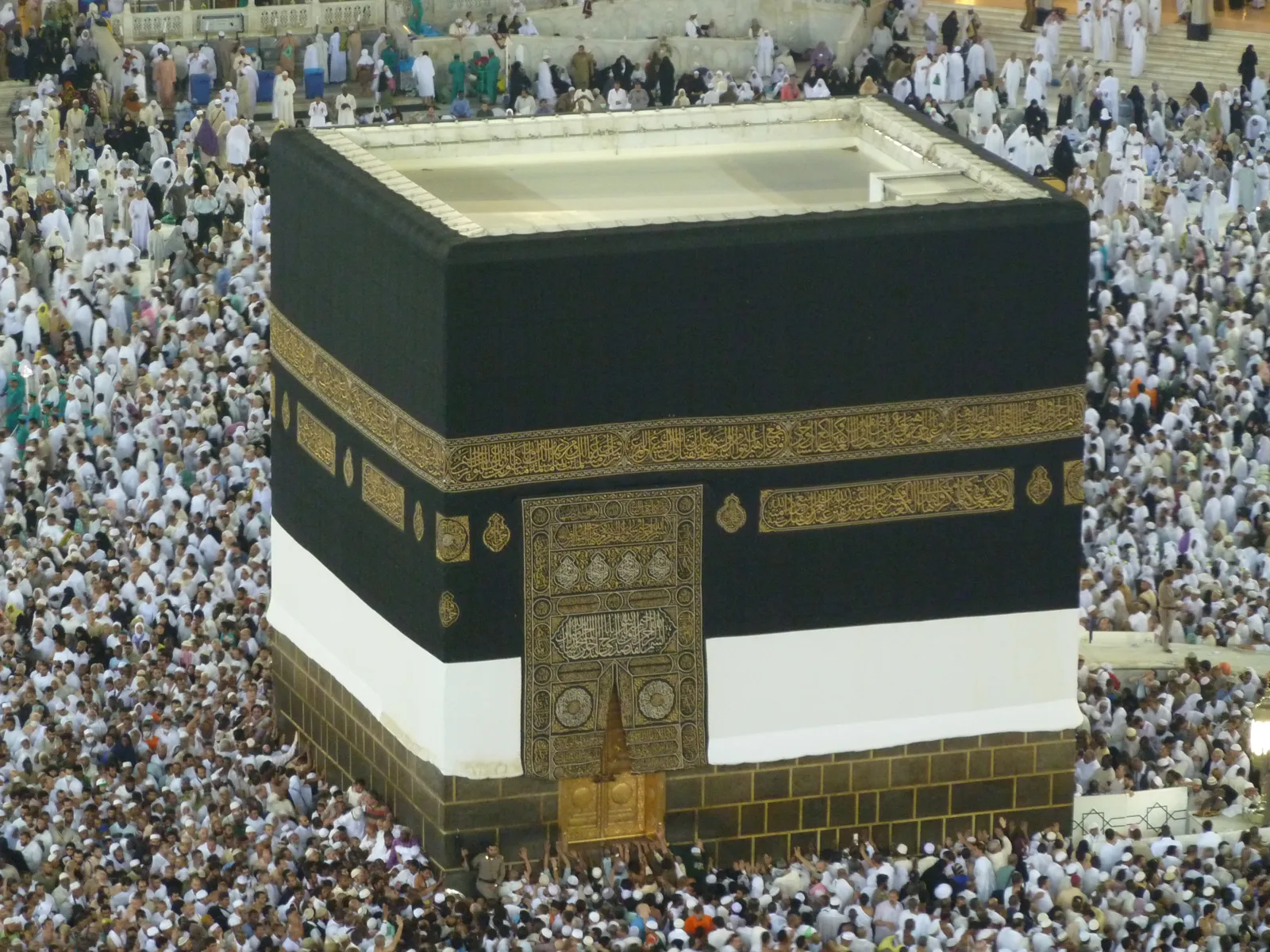
Masjid al-Haram
The sacred mosque surrounding the Kaaba, the spiritual heart of Islam and the largest sanctuary in the world.
Masjid an-Nabawi
The Prophet's Mosque in Medina, recognisable by its famous Green Dome and giant retractable umbrellas.
About this page's content: this site offers editorial and cultural content written with care and respect for the religious traditions concerned; it does not constitute a theological opinion or a source of religious authority. Despite our checks, errors, inaccuracies or approximations may remain. If you spot one, please let us know via the Contact page or by email at qibla.mosk@gmail.com, and we will correct it gratefully.