
Home › Blog › The Darb Zubayda
Hajj · 8 min read · 2026-08-31
The Darb Zubayda: one halt every twenty-five kilometres, across thirteen hundred kilometres of desert
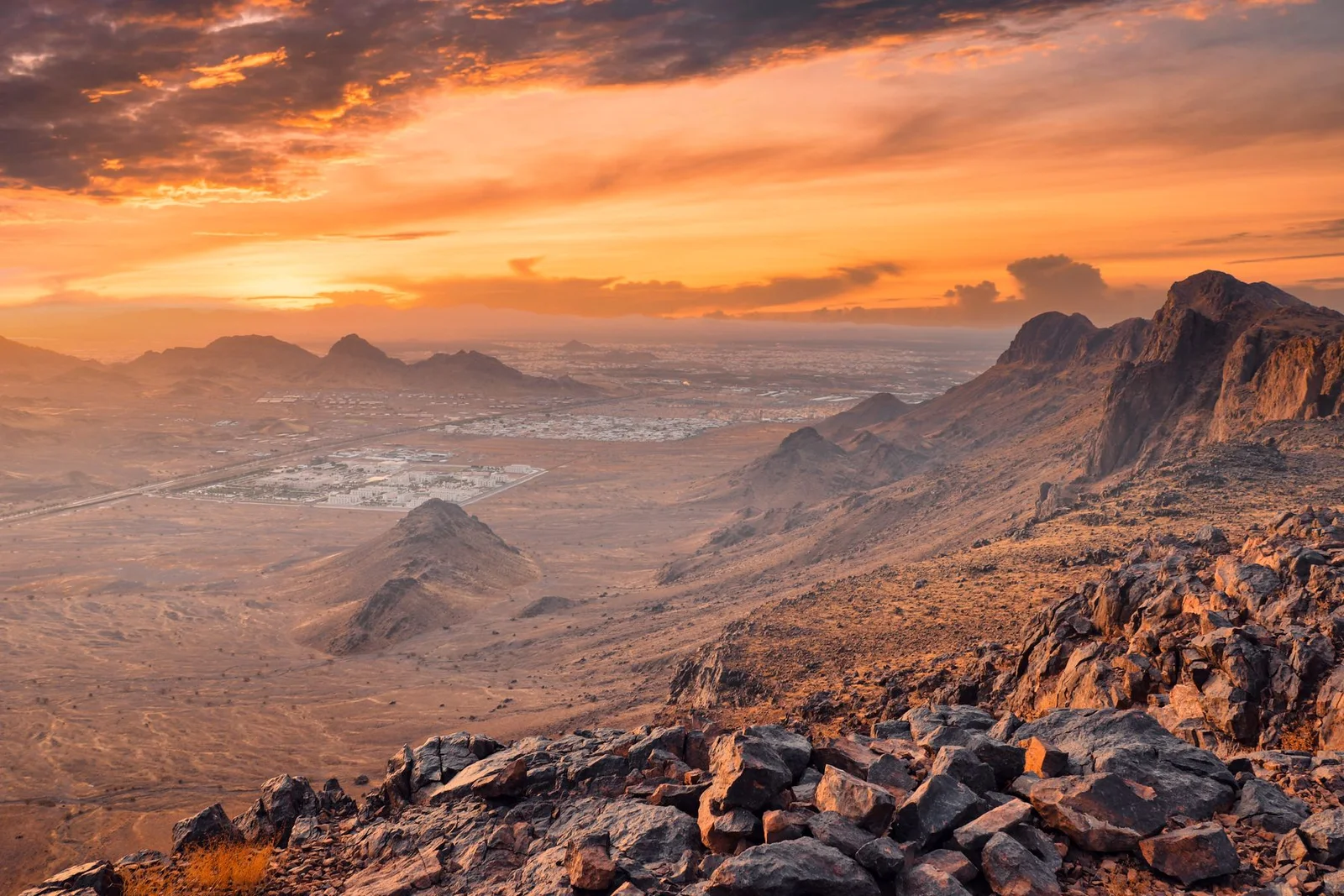
Between Kufa, in Iraq, and Mecca lie thirteen hundred kilometres of desert. In the eighth century, they were crossed on foot and on camelback. Archaeologists have recorded fifty-four halts along that road, roughly one every twenty-five kilometres. What sets that spacing is not fatigue, it is water.
The oldest logistics problem in the world
The pilgrimage sets a constraint nothing can soften. A point that cannot move, dates that cannot move, and a crowd that has to get there and back. Twelve centuries of engineering have answered that constraint, and the first large-scale answer has a name: the Darb Zubayda, the road from Kufa to Mecca.
It peaks under the Abbasids, broadly between 750 and 850. It is not a track, it is a work of construction: paved stretches, distance markers, wells, storage pools, settling tanks, guard posts and mosques at the halts. The constraint is religious; the answer is technical.
Fifty-four halts, and why
The archaeological survey of the road, whose reference work is that of Saad al-Rashid, identified twenty-seven major stations and twenty-seven substations. Fifty-four halts over thirteen hundred kilometres is roughly one every twenty-five kilometres.
That figure has to be taken for what it is: a division, not a datum from a source. The real intervals are not constant, since the road does not run straight but moves from one water point to the next. It is the average that comes to twenty-five kilometres.
And water is what commands. A caravan can walk further than a day's march; it cannot go a day without drinking, nor without watering its animals. The spacing of the halts is therefore not a comfort, it is a hydraulic constraint disguised as an itinerary.
Three markers along the road
The geographers who described it, al-Harbi, Ibn Khordadbeh, Ibn Rustah, al-Ya'qubi, al-Muqaddasi, al-Hamdani, divide the road into three. Al-Tha'labiyya marks the first third after Kufa, al-Rabadha the two-thirds mark, and Fayd the exact middle.
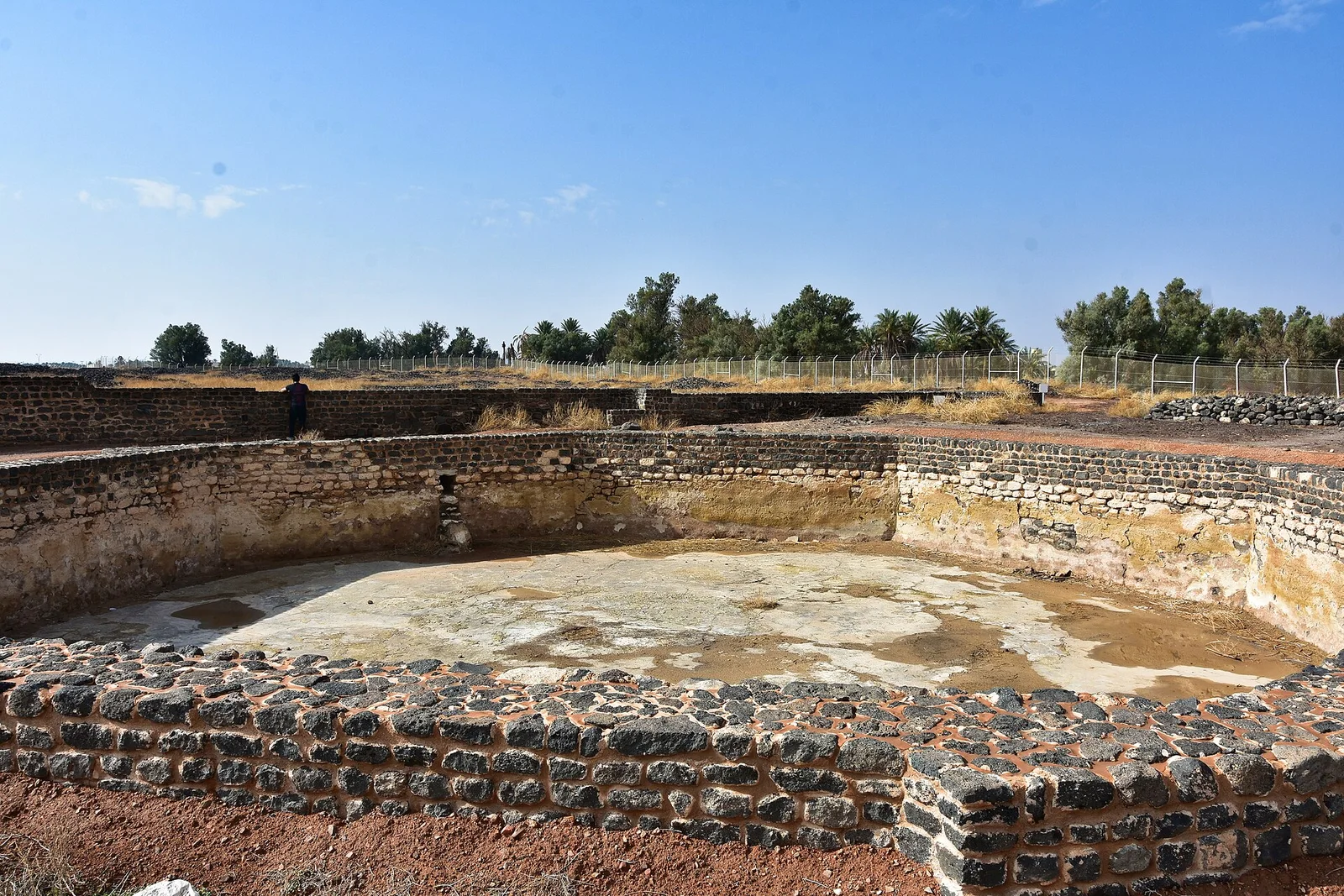
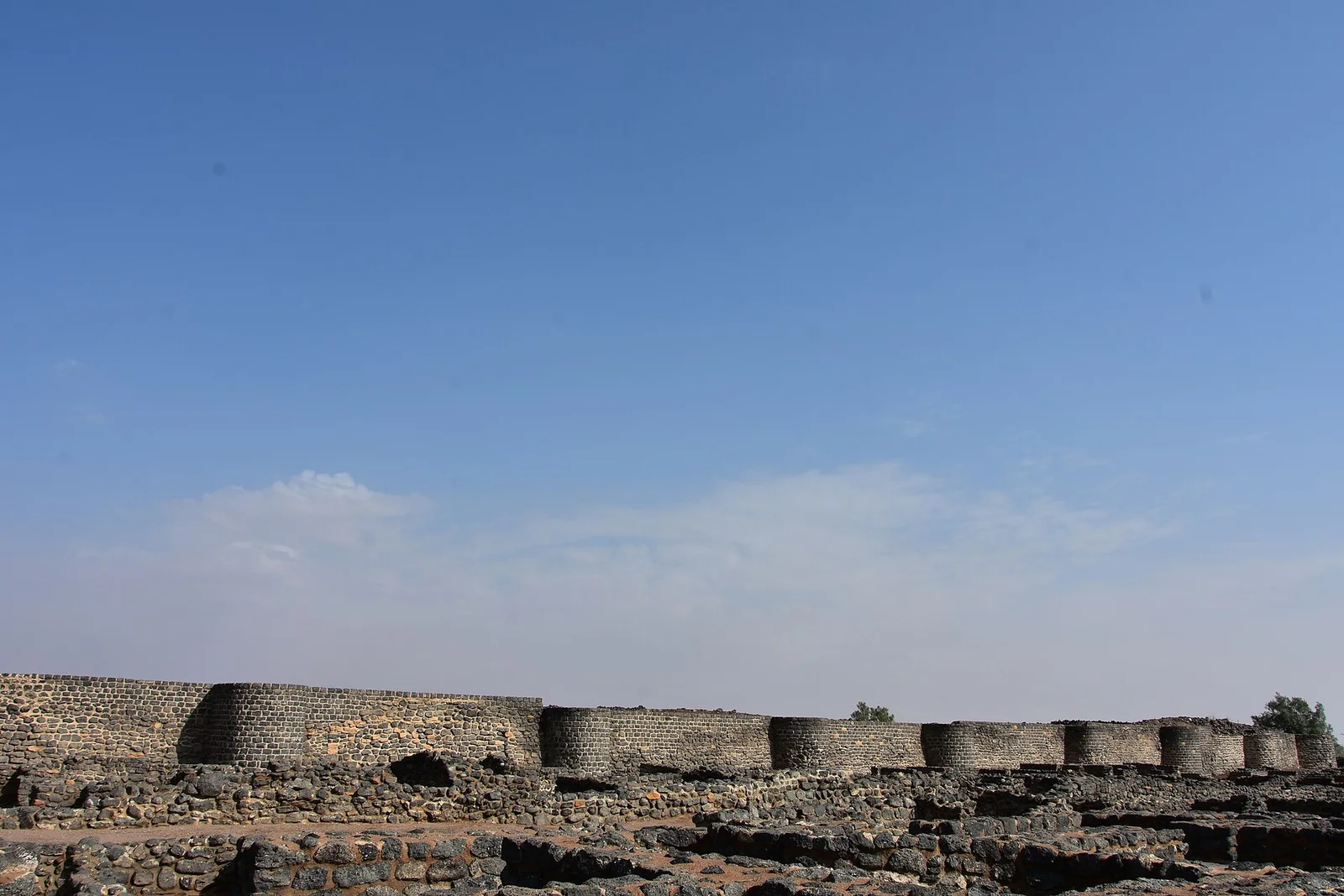
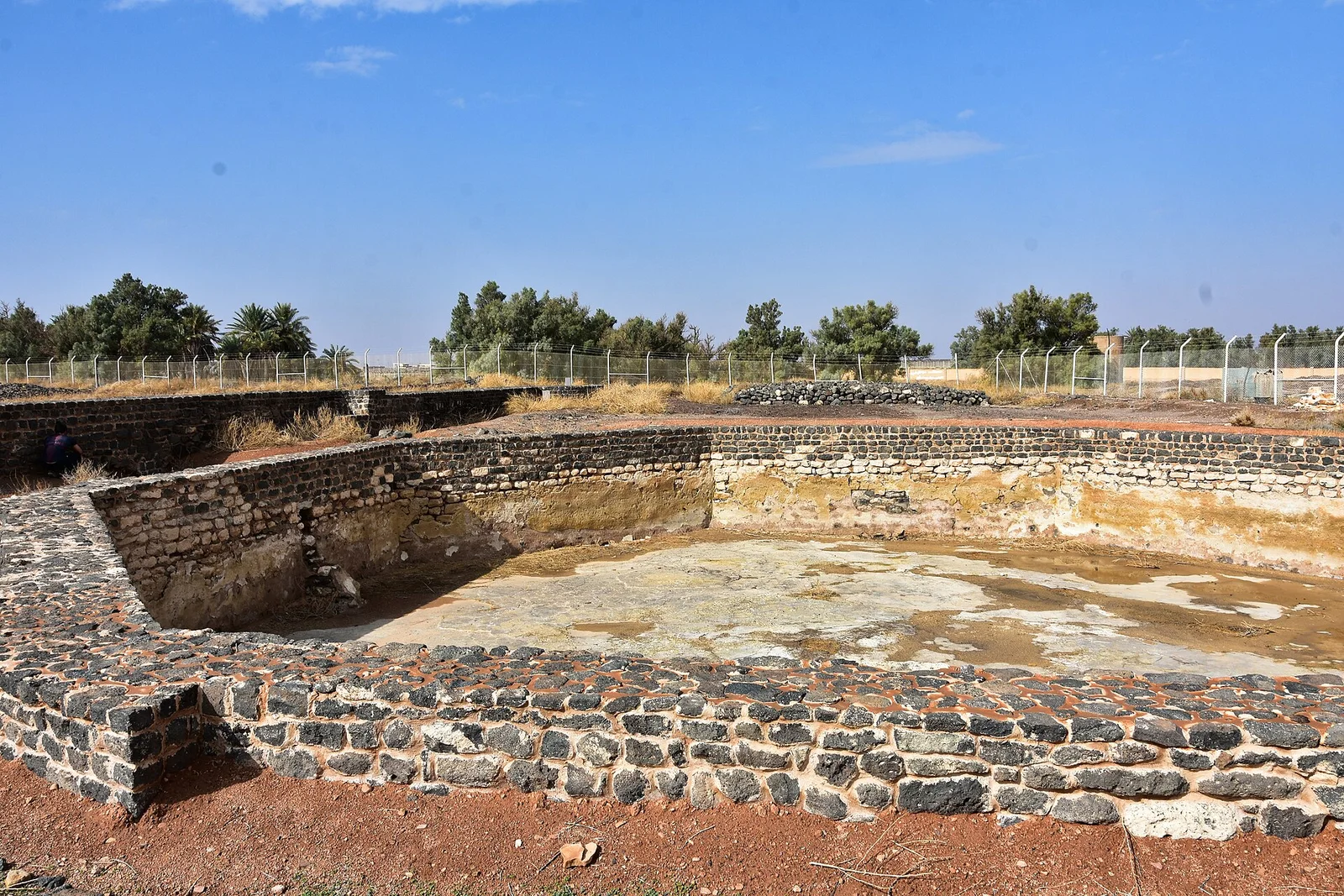
Fayd is not merely a point on a map. It is a small fortified town, with its citadel, its walls, its mosque, and above all its great circular cistern. It is still there, and still photographed today.
The road carries a woman's name
Zubayda bint Ja'far was the granddaughter of Caliph al-Mansur and the wife of Harun al-Rashid, the caliph of Baghdad. She funded the wells, the pools and the milestones along this road on such a scale that, in the century following her death, a great many installations on it still bore the name "Zubayda" or "Umm Ja'far".
The trigger, according to the chronicles, was her own pilgrimage: she found on arrival that a drought had dried the town out and reduced Zamzam to a trickle. She had the well deepened, then undertook water works far beyond it.
The best known is the conduit called Ayn Zubayda, which brings water from the Hunayn area, some ninety-five kilometres east of Mecca, to the sites of the pilgrimage. The chronicles quote considerable sums. They should be read as chronicle figures, not as accounts.
The decisive move: paying once is not enough
This is the most interesting part, and the least told. A hydraulic work in the desert is not a gift you make once. It silts up, it cracks, it empties. Without maintenance, a cistern becomes a hole.
So Zubayda did not stop at paying for construction. She created a pious endowment, a waqf: orchards whose annual income was assigned, in perpetuity, to maintaining the works. The Saudi endowments authority describes that arrangement and the order of magnitude of the expected income.
In other words, she did not give a cistern, she gave a machine that repairs the cistern. That is an institutional invention as much as a piece of engineering, and it is why the road is still spoken of twelve centuries later.
What survives, and how we know
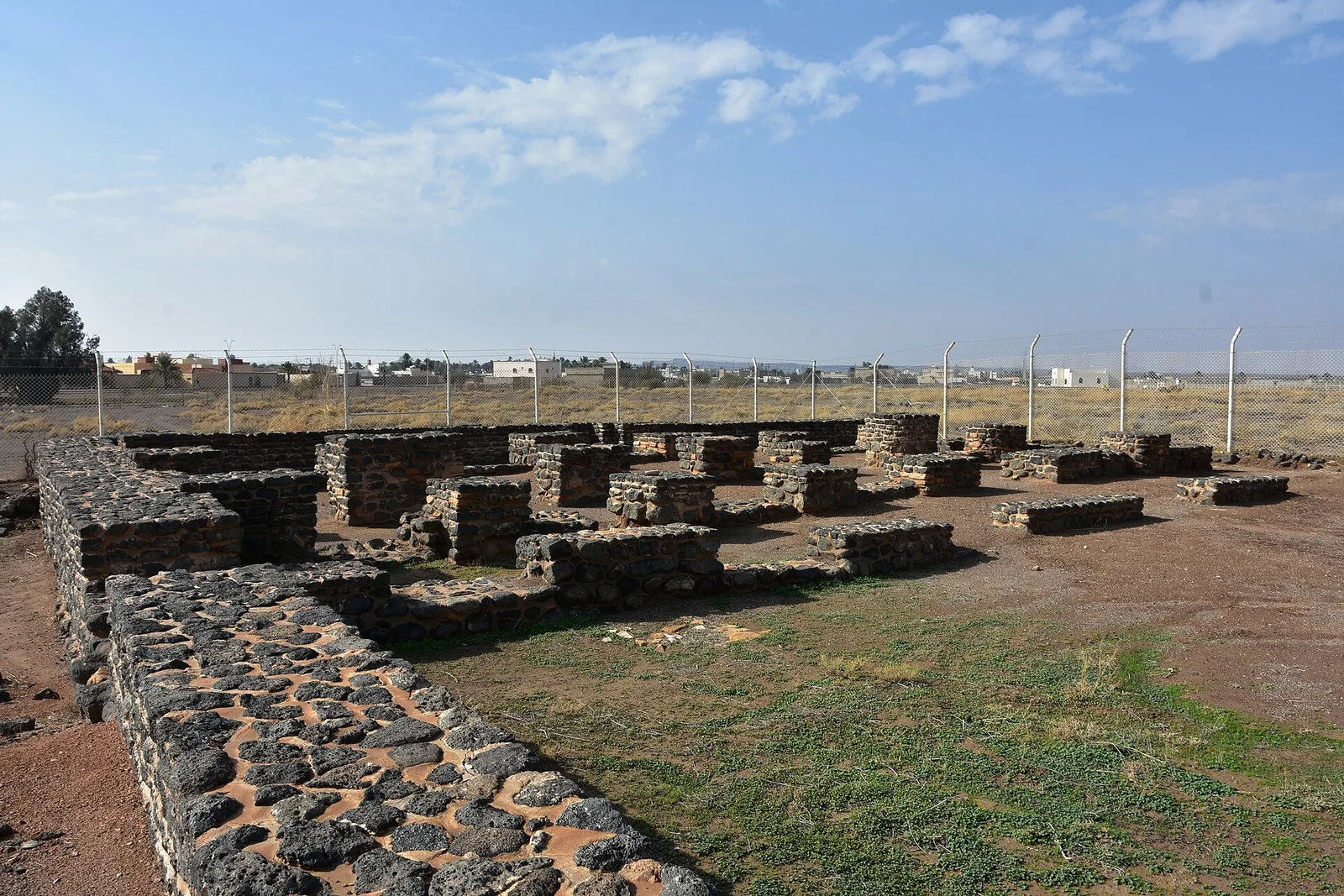
The road declined as the centre of gravity of the Muslim world shifted and other routes took over. What survives is ruined stations, pools, stretches of paving and milestones, scattered over thirteen hundred kilometres.
The Darb Zubayda has been on the UNESCO World Heritage tentative list since January 2022, in a file submitted jointly by Iraq and Saudi Arabia. That notice is where the figure of thirteen hundred kilometres used here comes from; other sources write fourteen hundred, and we follow the official record.
A word on method, because it is deliberate. The richest documentation on the pilgrimage of former times comes from accounts by European travellers who got in disguised. We do not build this story on them. We build it on material evidence: the road, its markers, its cisterns, and the archaeological surveys that describe them.
Twelve centuries later
The cistern at Fayd still holds. It has no caravan left to water, but it is there, round, built of stone, in the middle of nowhere, at the exact midpoint between Kufa and Mecca.
It is not a monument built to last in the usual sense, with marble and an inscription. It is a working installation, built to be used and to be repaired. And it lasted precisely because someone had arranged, in advance, who would pay for the repairs.
See also: the Hajj journey, step by step and the miqats, the five sacred boundaries before Mecca.
Discover
Mosques mentioned in this article
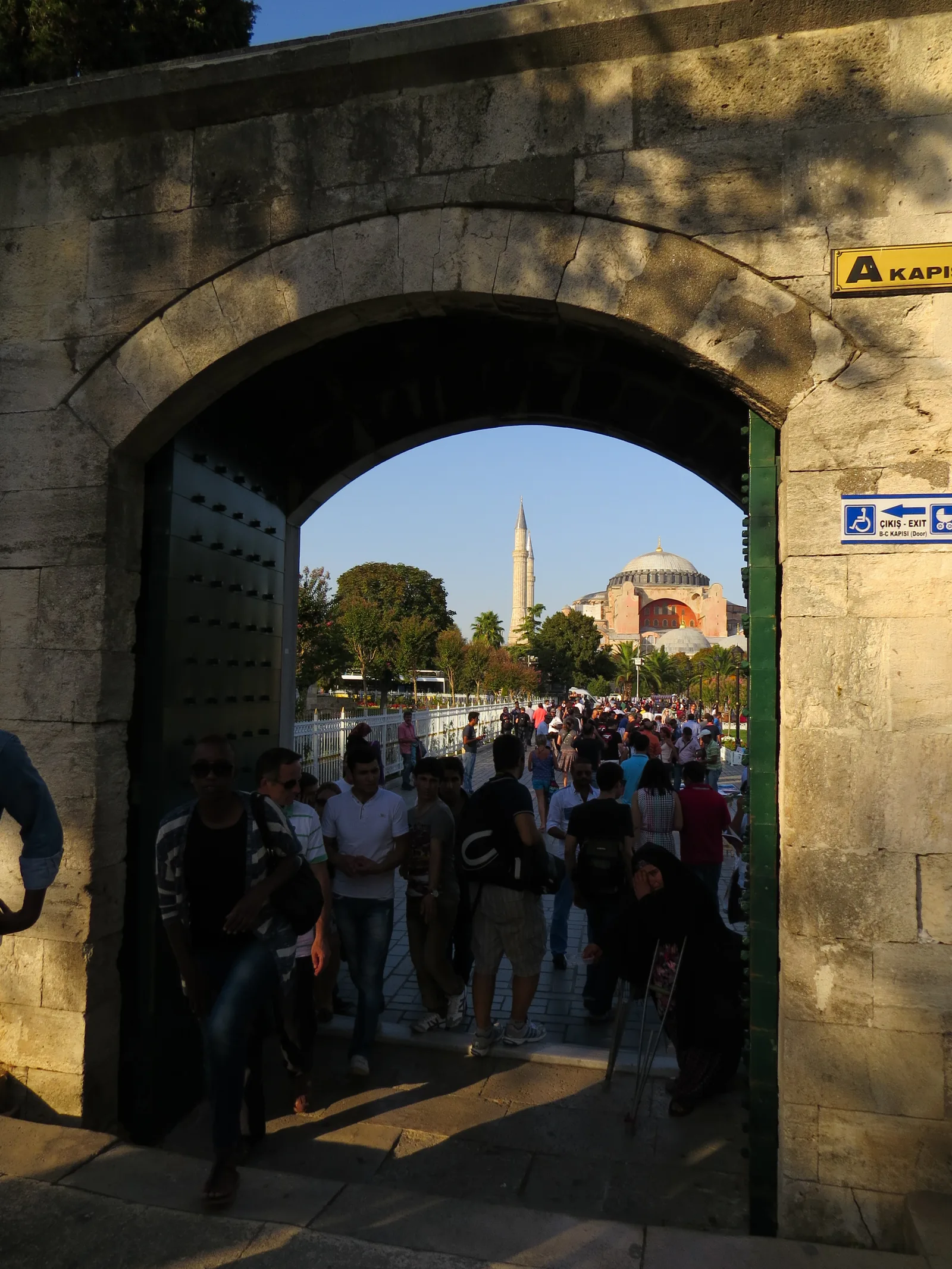
Blue Mosque (Sultan Ahmed)
Six minarets, a cascade of domes and over 20,000 Iznik tiles: the icon of Istanbul.
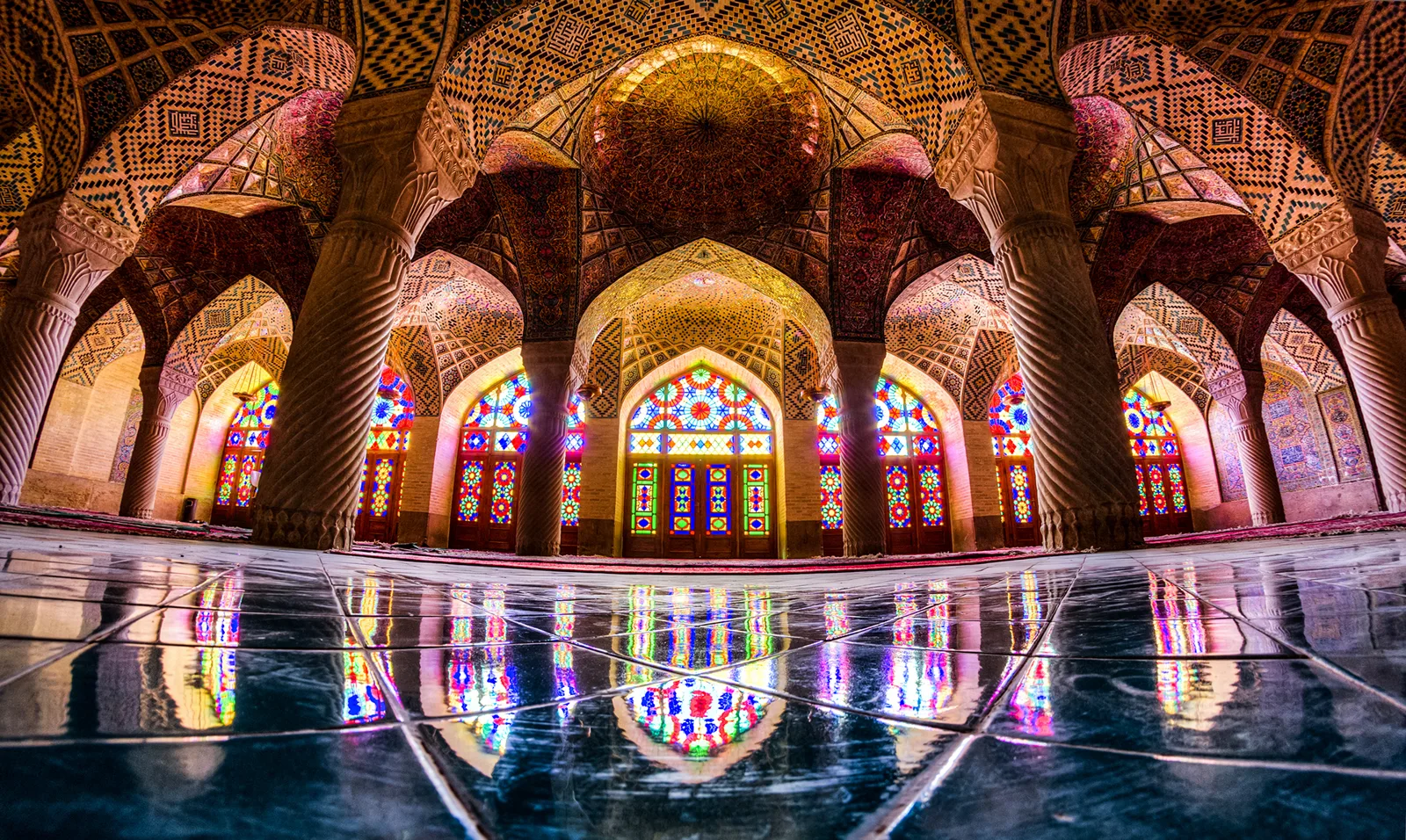
Nasir al-Mulk Mosque
Shiraz's "Pink Mosque", whose stained-glass windows turn every morning prayer into a kaleidoscope.
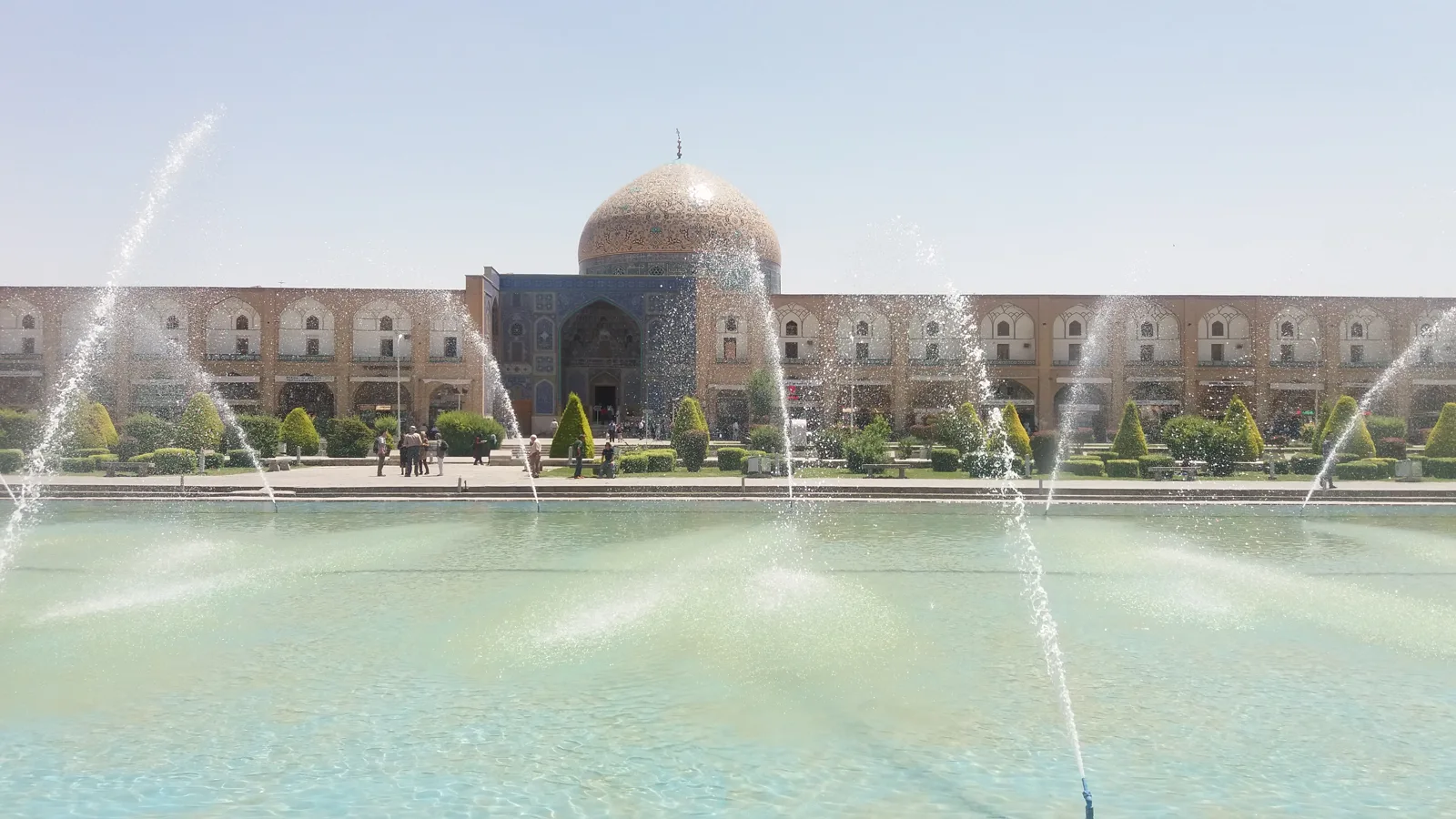
Sheikh Lotfollah Mosque
The Safavid jewel of Naqsh-e Jahan Square: no minaret, no courtyard, but Iran's most beautiful dome.
About this page's content: this site offers editorial and cultural content written with care and respect for the religious traditions concerned; it does not constitute a theological opinion or a source of religious authority. Despite our checks, errors, inaccuracies or approximations may remain. If you spot one, please let us know via the Contact page or by email at qibla.mosk@gmail.com, and we will correct it gratefully.