
Home › Blog › Malcolm X in Mecca: The Letter That Changed Everything
History · 5 min read · 2026-08-08
Malcolm X in Mecca: The Letter That Changed Everything
In April 1964, a man known around the world for his fight against racial segregation in the United States performed the pilgrimage to Mecca. What he witnessed there would transform his worldview, and he recounted it in a letter that became one of the most quoted texts in the history of the civil rights movement.
A break, then a conversion
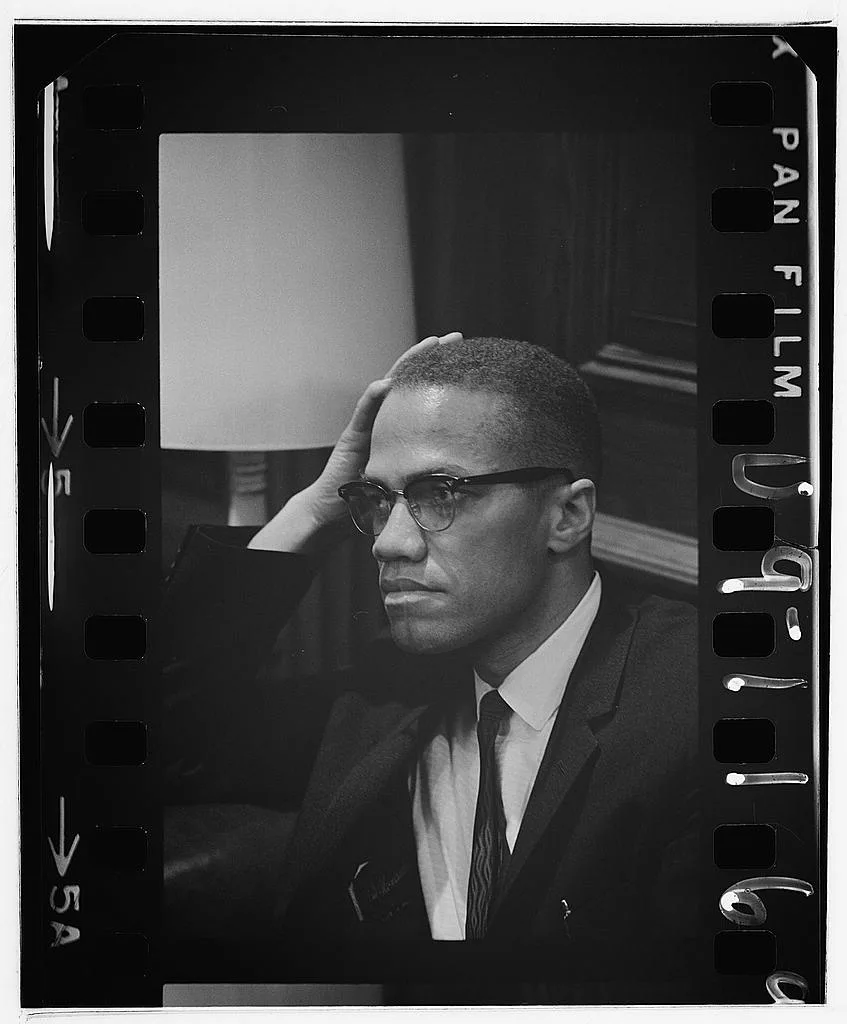
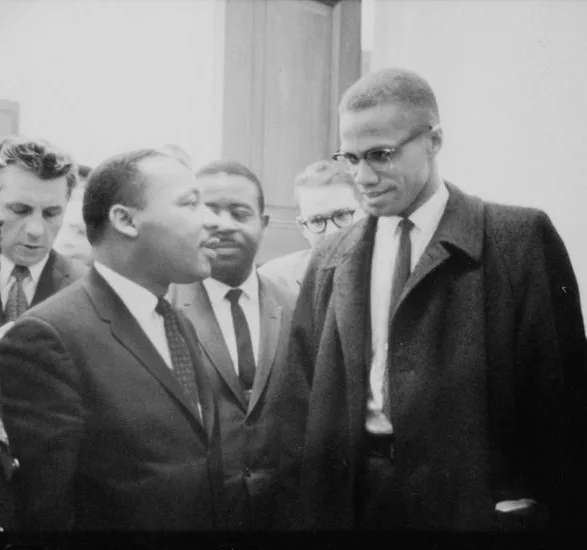
On March 8, 1964, Malcolm X publicly left the African-American movement that had shaped him for more than a decade, and whose doctrine departed from Sunni Islam on essential points. He then founded the Muslim Mosque, Inc. and drew closer to Sunni Islam, encouraged in particular by Egyptian scholar Mahmoud Youssef Shawarbi, who helped him prepare for his first pilgrimage.
A difficult start
On arriving in Jeddah, Malcolm X was not initially recognized as a legitimate pilgrim by the Saudi authorities, who questioned his status as a Muslim because of his unusual background. He was held for several hours, until the intervention of a local contact, Dr. Omar Azzam, resolved the situation. Informed of his presence, Prince Faisal, who ruled the kingdom at the time, decided to make him a state guest.
"I have never witnessed such brotherhood"
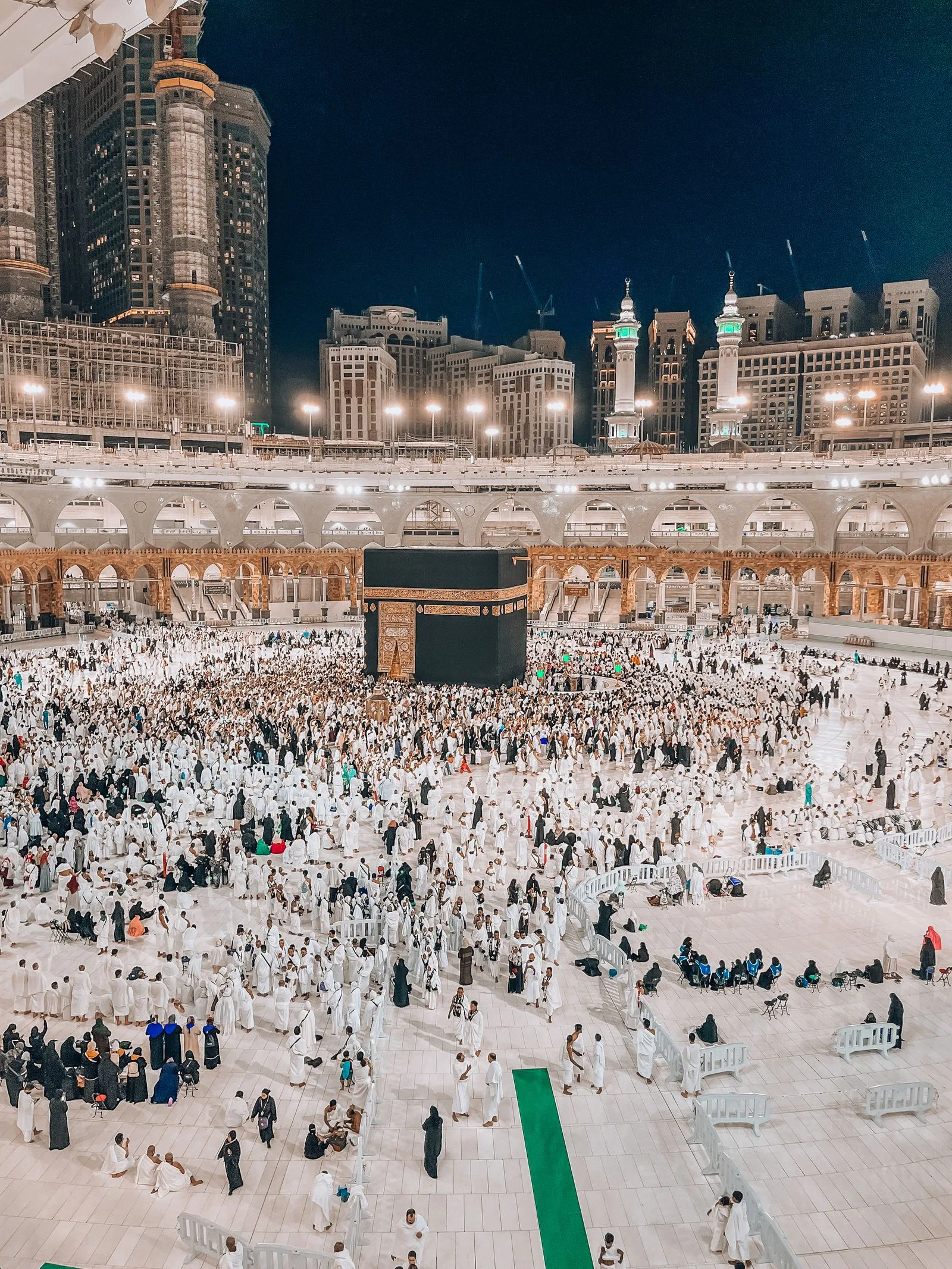
What struck Malcolm X during the hajj was not only religious fervor: it was praying, eating and sleeping alongside pilgrims of every origin and every skin color, without distinction. In a letter written from Mecca in April 1964 and addressed to his close associates in Harlem, he wrote: "Never have I witnessed such sincere hospitality and such overwhelming spirit of true brotherhood as is practiced by people of all colors and races here in this ancient Holy Land."
This experience directly contradicted what he himself had preached for years within the movement he had just left. In his letter, he acknowledges having to revise some of his past positions on race in light of what he had just experienced.
What the pilgrimage was like in 1964
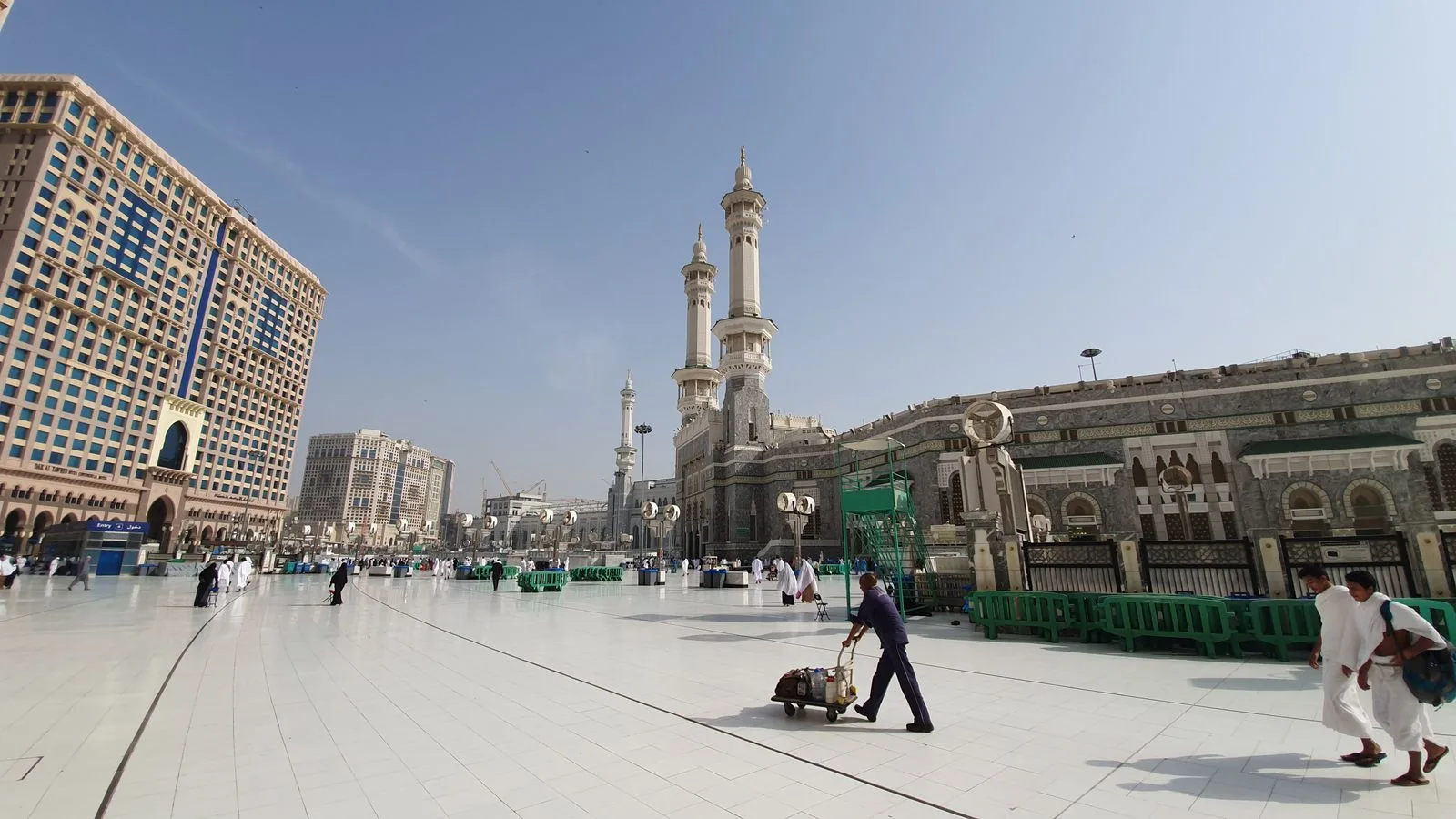
The Hajj Malcolm X discovered bears almost no resemblance to today's. A few hundred thousand pilgrims took part, against more than two million now. Most still arrived by ship at Jeddah or by road from neighbouring countries, air travel remaining the exception.
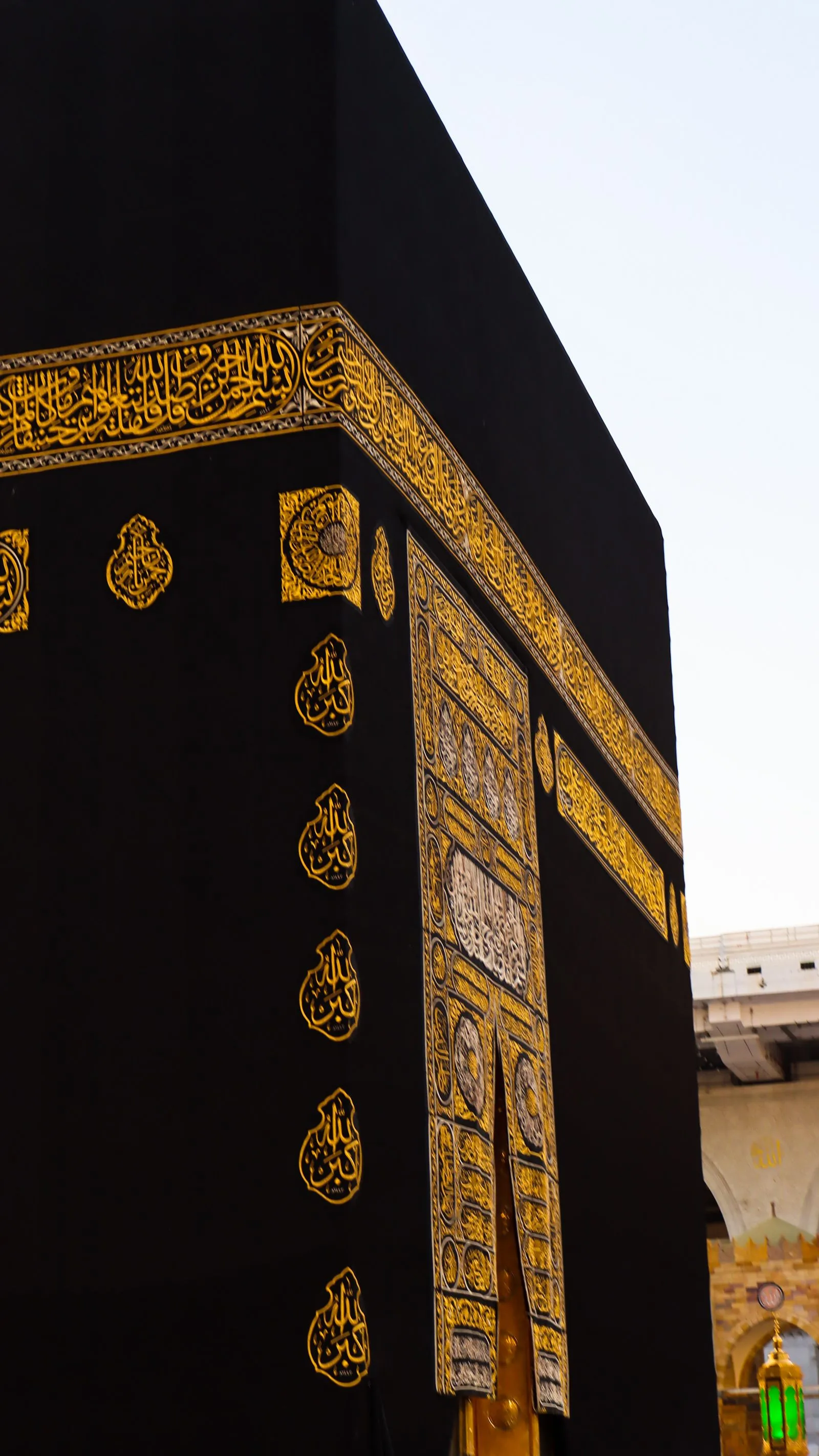
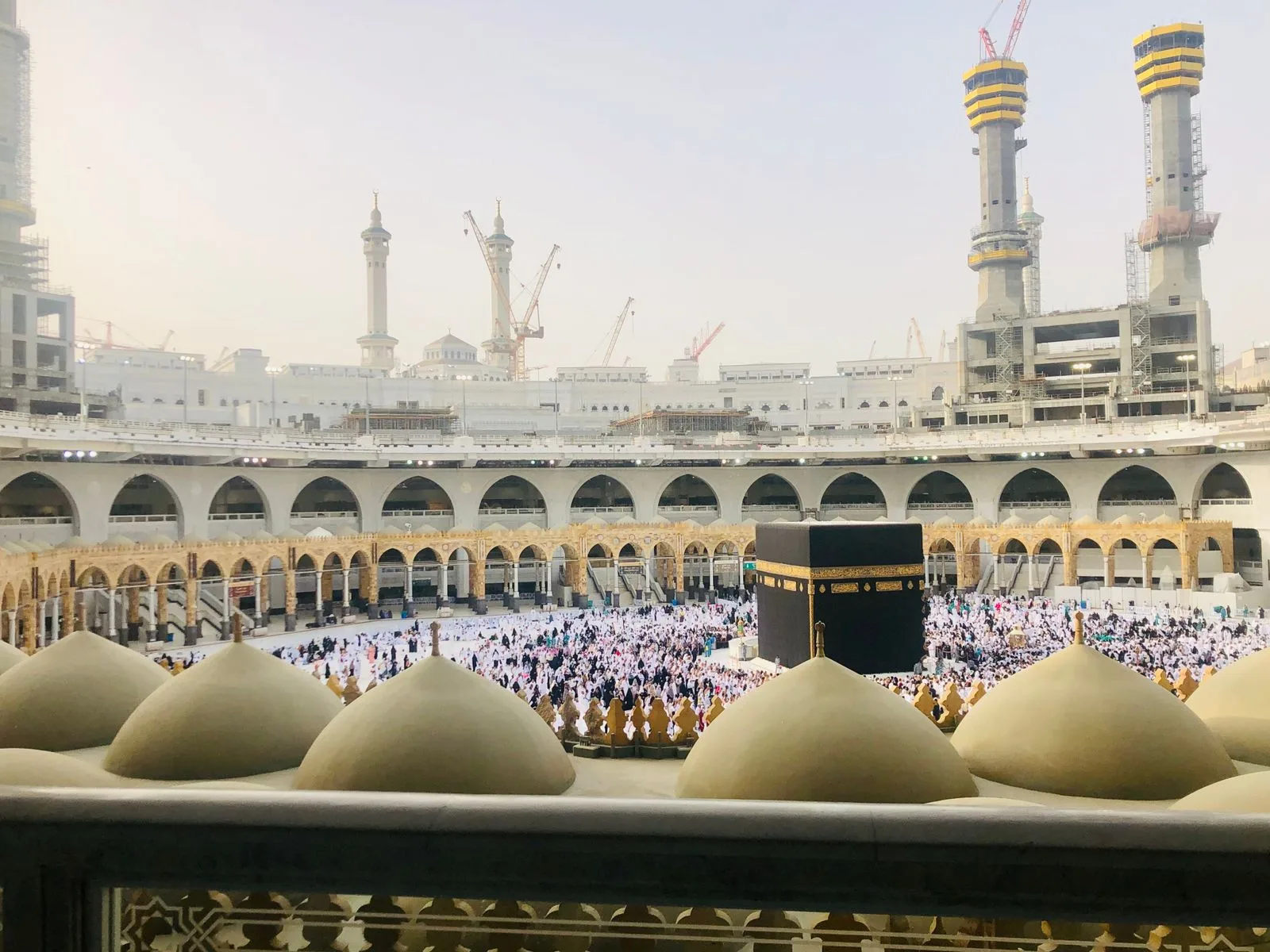
The Great Mosque itself was a building site. The first major Saudi expansion, begun in the 1950s, had transformed the surroundings of the Kaaba, and photographs from the period show a still modest esplanade ringed with scaffolding. The man who describes in his letter an immense crowd without distinction of colour was looking at a place in full transformation, far from the saturated image we now have of it.
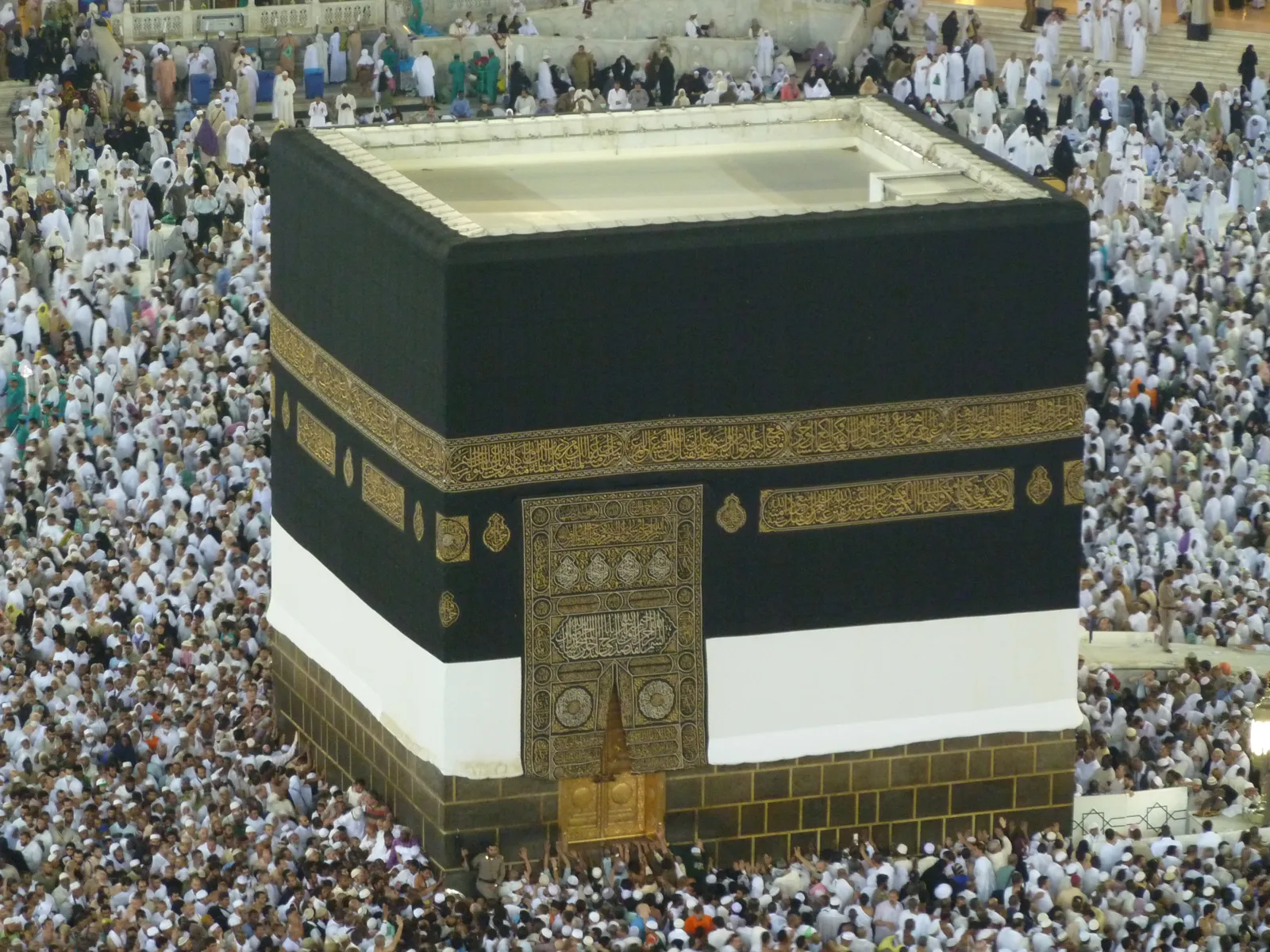
The rite itself has not changed in fourteen centuries: entering the state of consecration, the circuits around the Kaaba, the passage between the hills of Safa and Marwa, the gathering on the plain of Arafat. It is that uniformity, where white cloth erases origins and fortunes, that strikes the American visitor.
Why the letter mattered
The text is short, written in haste, and yet it became one of the most quoted documents of the civil rights movement. The reason is not literary.
It lies in what it cost its author. Malcolm X describes an experience that contradicts part of what he had defended publicly for years, and he writes it knowing his words will be read both by those he had just left and by those who had always opposed him. Few public figures accept exposing a change of mind live, without waiting to have rebuilt a coherent position.
What follows matters as much. Back in the United States he did not give up his fight against segregation, he changed its frame: the problem remained, but it stopped being stated in irreducibly racial terms. That shift, held for less than a year, is one reason his path is still discussed.
The journey that followed
The pilgrimage was only the first stage of a much longer journey. In the following months Malcolm X travelled across Africa and the Middle East, from Cairo to Lagos, from Accra to Beirut, meeting heads of state and students, and discovering Muslim societies very different from one another.
He came back with one conviction: the question he carried was not only an American one. That shift of perspective, even more than the conversion itself, shapes his final speeches.
He was assassinated on 21 February 1965, less than a year after returning from Mecca. What he would have made of that evolution remains an open question, and that too is why the letter is still read.
Where to see what he describes
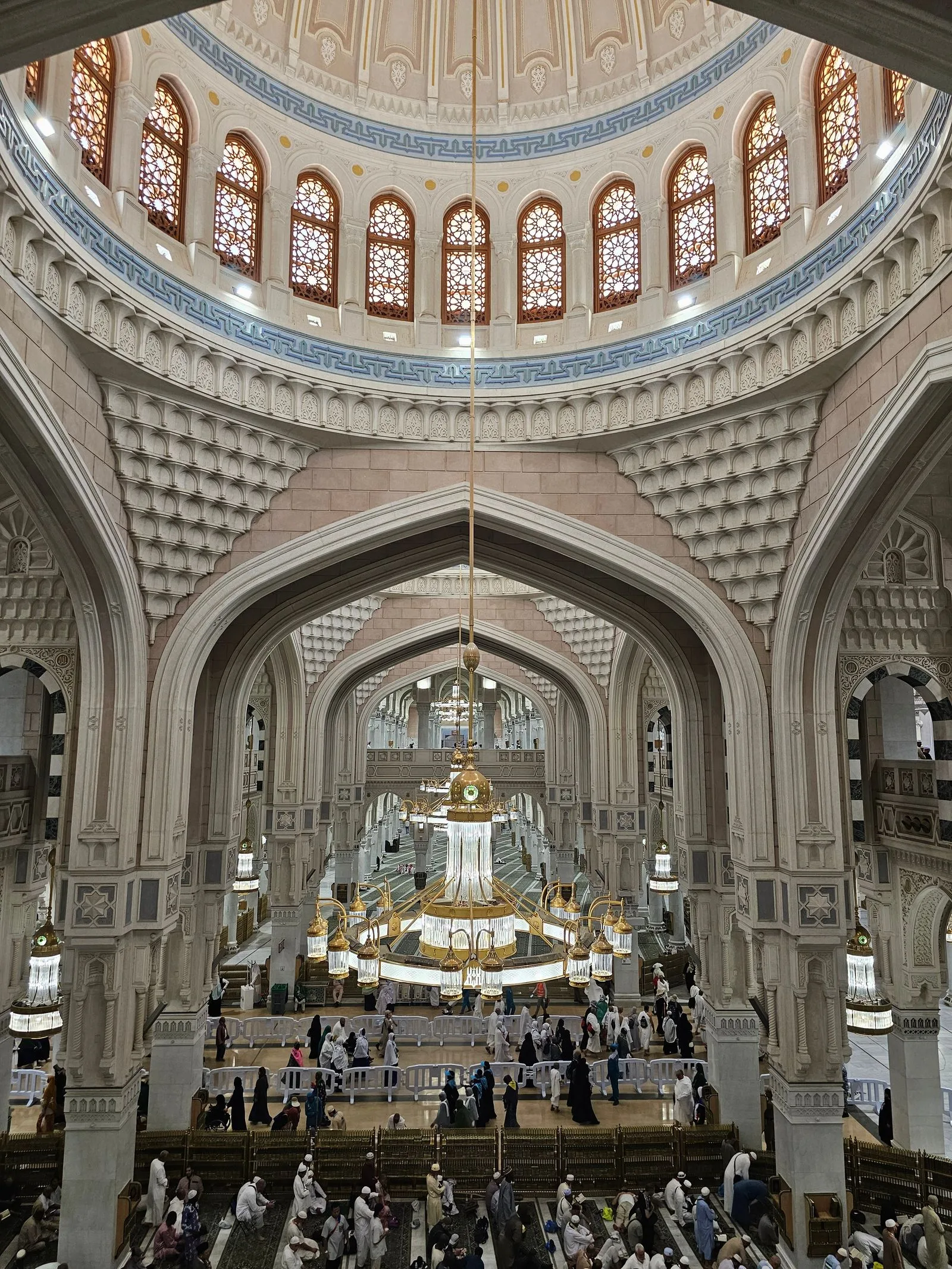
The places he describes can be visited, at least through the pages of this site. Masjid al-Haram and Masjid an-Nabawi in Medina each have their page, with their history and successive transformations. The full sequence of the pilgrimage, stage by stage, is set out in this article, and the 3D Hajj map follows its geography.
El-Hajj Malik El-Shabazz
On his return from Arabia, Malcolm X adopted the name El-Hajj Malik El-Shabazz, "El-Hajj" being the honorific title given to anyone who has completed the pilgrimage. He continued his journey through several African countries, where he met heads of state, before returning to the United States with a noticeably transformed message on relations between communities.
Less than a year later, on February 21, 1965, he was assassinated in New York in the middle of a public address. But the letter written in Mecca continues to be studied as one of the most striking testimonies on the transformative power of the hajj, reproduced in full in the closing chapters of his autobiography.
Worth exploring
The mosque at the heart of this story
Read more
Related articles
The miqats: the five sacred boundaries before Mecca
Before entering the sacred state for the hajj, as Malcolm X did in 1964, every pilgrim crosses one of the five miqats set by prophetic tradition.
Mecca and Medina: the two holy sites of Islam
Why do Mecca and Medina hold such a special place in Islam? The history of the two holy sites Malcolm X discovered during his pilgrimage.
About this page's content: this site offers editorial and cultural content written with care and respect for the religious traditions concerned; it does not constitute a theological opinion or a source of religious authority. Despite our checks, errors, inaccuracies or approximations may remain. If you spot one, please let us know via the Contact page or by email at qibla.mosk@gmail.com, we will correct it gratefully.