
Home › Blog › The muvakkithane, the mosque astronomer
History of science · 8 min read · 2026-08-30
The muvakkithane: every great Ottoman mosque had an astronomer
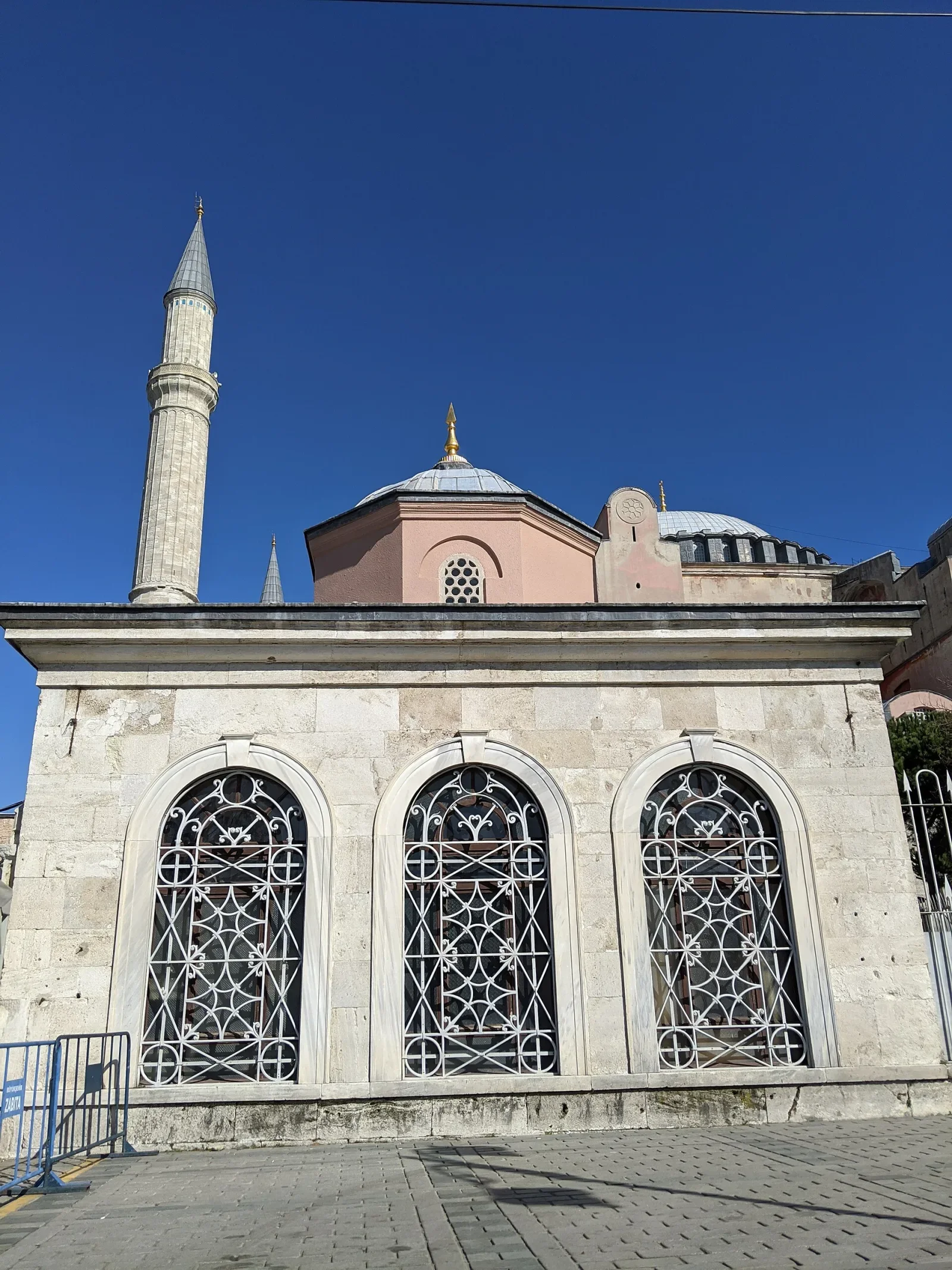
In almost every great Ottoman mosque there is a small room beside the courtyard. Visitors walk past without seeing it. It is called a muvakkithane, and an astronomer worked there, every day, calculating the five prayer times.
A room nobody looks at
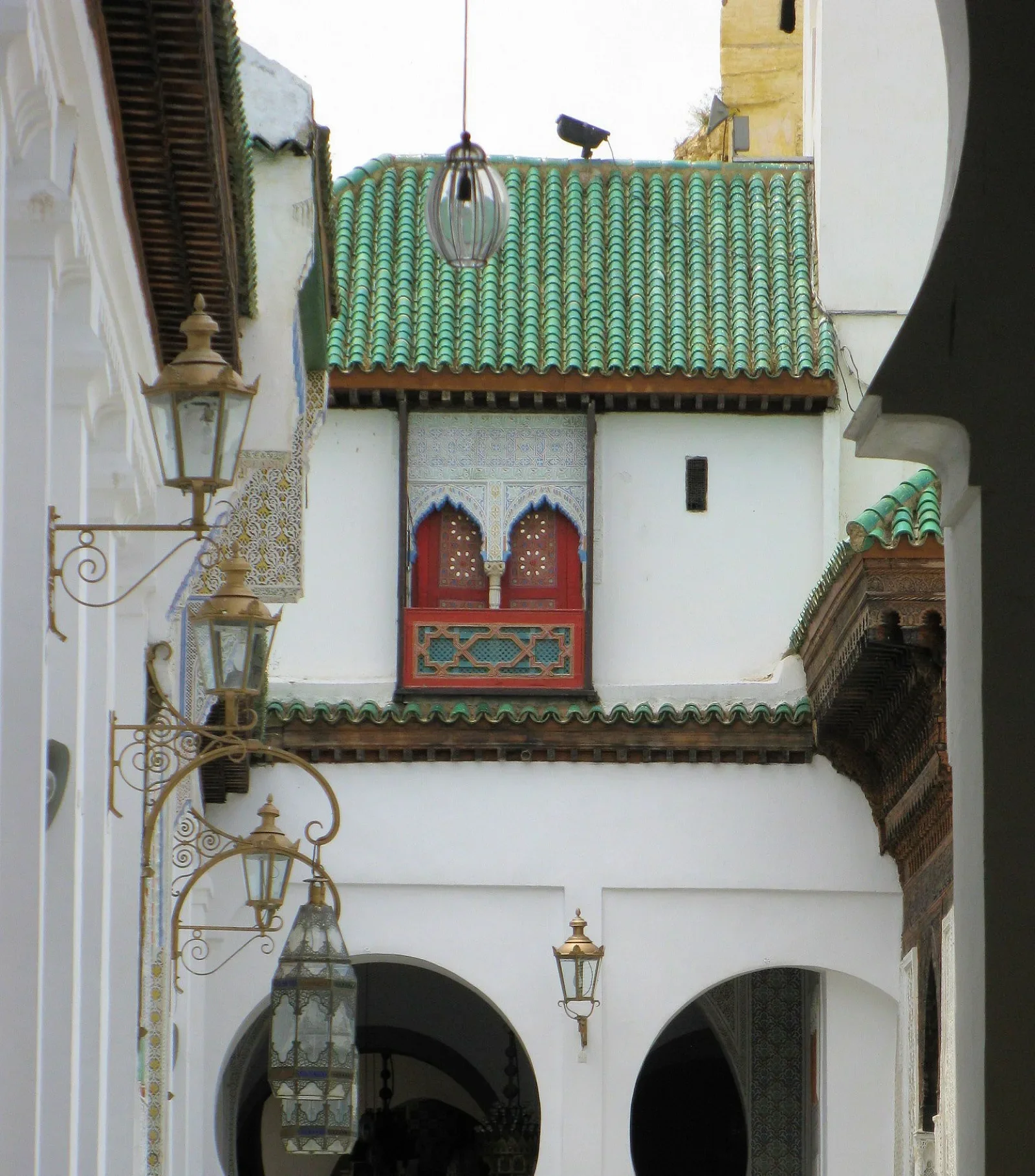
There it is, against the courtyard wall or set beside the entrance. A single block of stone, often with a grilled window onto the street. Nothing announces it, nothing explains it, and tourist plans rarely name it. Yet it is one of the few places in an Ottoman mosque where technical work went on full time.
The function itself is older than the building: the post of muwaqqit is attested from the late thirteenth century at the Mosque of Amr ibn al-As in Egypt. What is specifically Ottoman is having given the job a room of its own, built with the mosque, and a name for that room.
A job of calculation, not of piety
The muwaqqit did not sound the hour. He worked it out. The five prayer times are not fixed hours: they are defined by the position of the sun, so they depend on the latitude of the place and on the day of the year. They shift every day, and not by the same number of minutes from one season to the next. They therefore had to be recalculated, for that town, continuously.
The contrast with the muezzin is sharp, and it says everything about the job. The muezzin was chosen for his piety and his voice. The muwaqqit was chosen for his astronomy and his mathematics. Two neighbouring functions in the same building, recruited on two criteria with nothing in common.
The instruments
The workplace fitted in one room, and the tools fitted on one table.
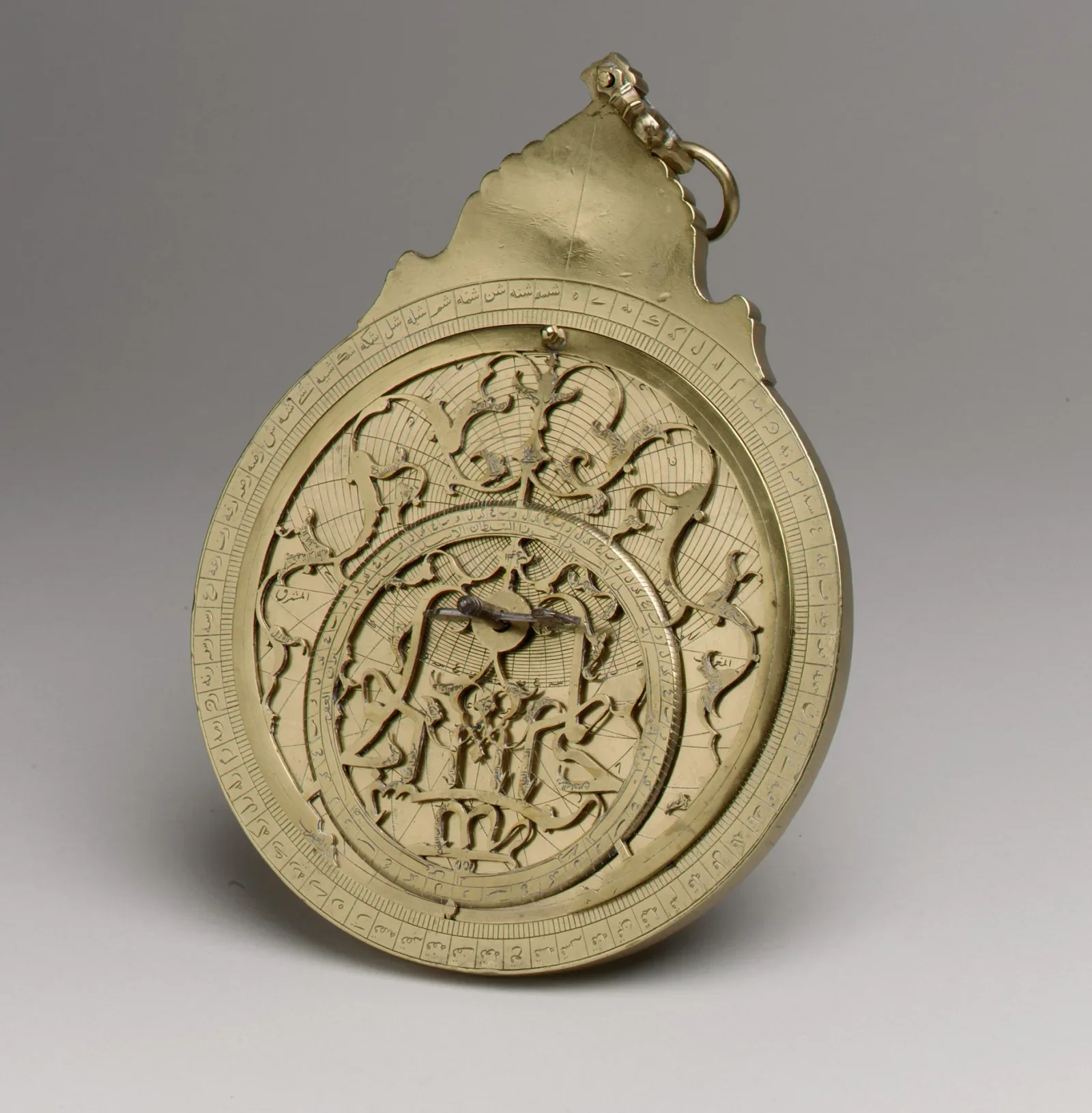
- The astrolabe, which projects the celestial sphere onto a disc and lets you read the sun's altitude and turn that altitude into a time.
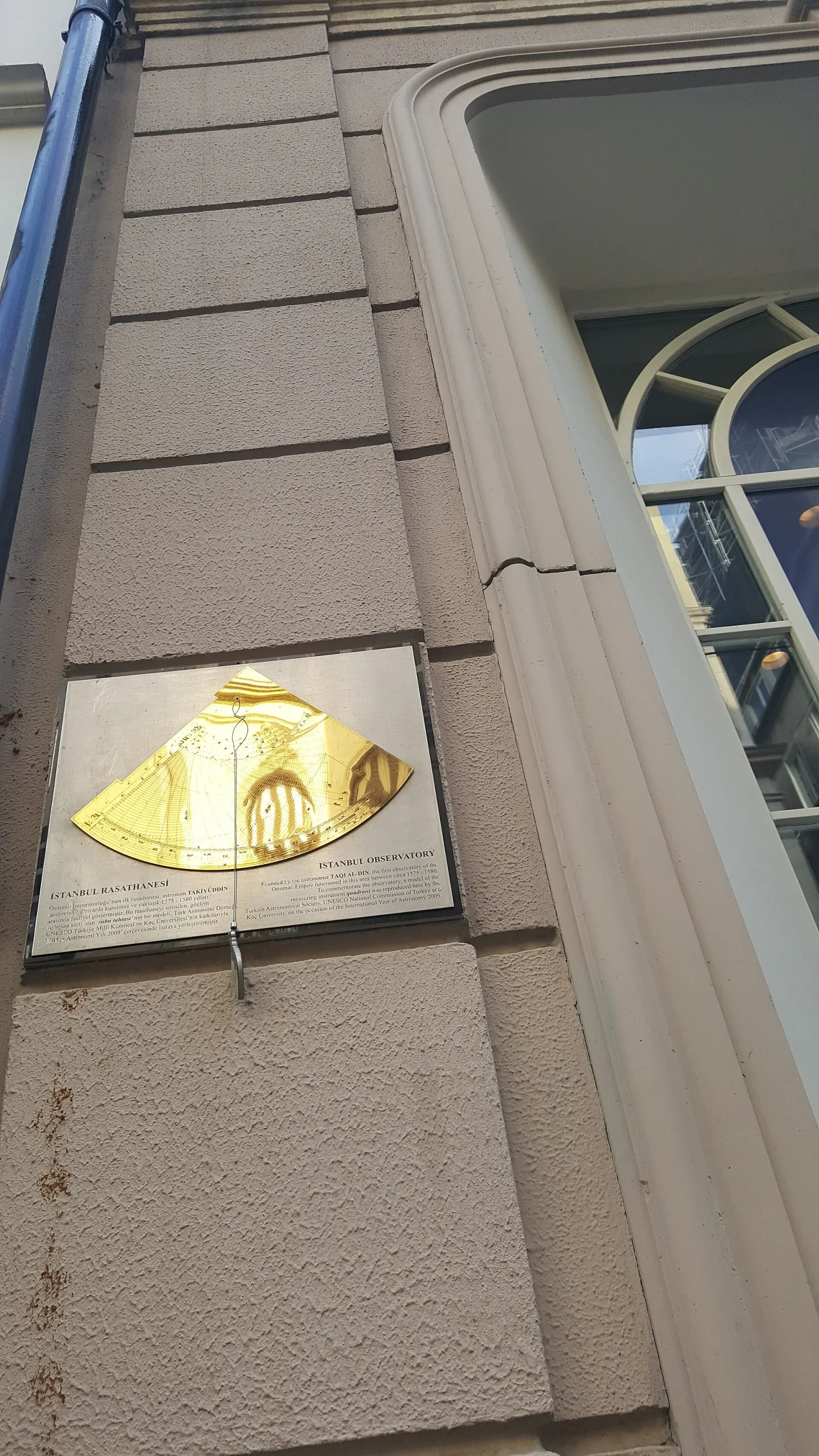
- The rubu tahtasi, the Ottoman quadrant: a graduated quarter-disc of wood with a plumb line, far quicker to use than the astrolabe for everyday work.
- The sundial, often carved straight into a mosque wall, giving a direct reference.
- Sets of tables, which spare you the full trigonometry every single day.
One point needs stating, because the confusion is common: calculating prayer times and telling the time are two different problems. The first needs the sun's position for a place and a date; the second only needs counting hours from an agreed origin. The muwaqqit did both, but it was the first that defined his job.
Telling the time when the day starts at sunset
Under the Ottomans the day did not begin at midnight: it restarted at sunset. Since sunset moves through the year, the offset between that local time and solar time changed every day. A watch set in April was no longer right in May.
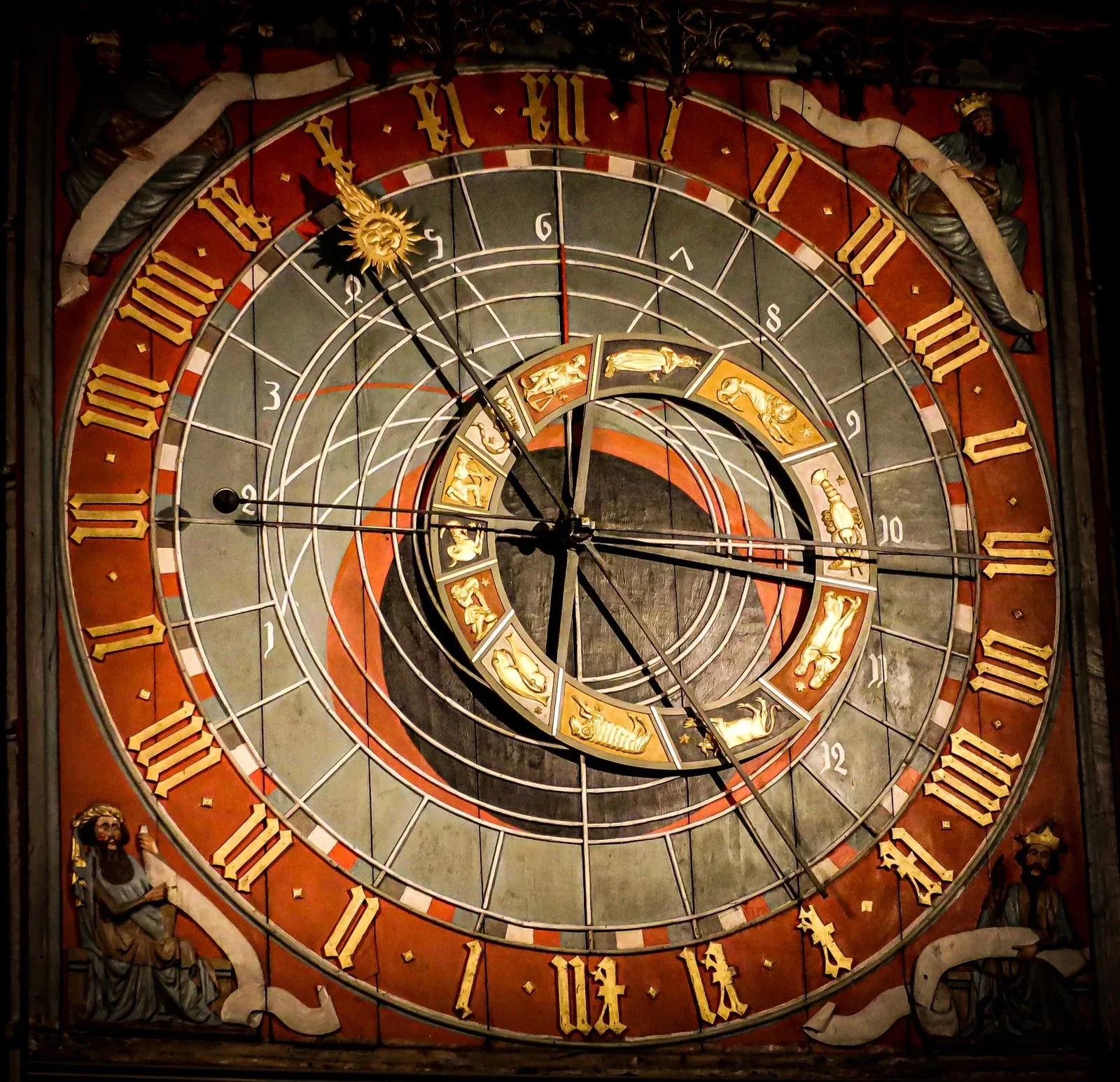
Hence a very concrete consequence. Once personal watches spread in the late eighteenth century, people took to setting theirs by the clock of the muvakkithane. Without ever having been designed for it, the little room became the reference clock of the district.
It was not the clock that ended the job
The story usually goes that the mechanical clock made the muwaqqit redundant. The opposite happened. From the eighteenth century, muwaqqits folded the clock into their instruments: it did not replace their calculation, it completed it. Many became expert at making and repairing clocks, to the point where clockmaking and the muwaqqit's trade partly overlapped.
What actually took their place was paper. From the nineteenth century, approved institutions began publishing annual prayer timetables, calculated once and for all, somewhere else, and distributed in print. The calculation left the city and became national. There was no longer any need for one astronomer per mosque, because there was no longer any need for one calculation per mosque.
That is a displacement, not a disappearance: the work did not stop existing, it changed scale and place.
20 September 1952
The office of chief muwaqqit was abolished on 20 September 1952. That is not the date each room closed, but the date the office itself ceased to exist. Many of those rooms are in fact still standing in Istanbul, near Hagia Sophia, the Fatih Mosque, Bayezid, and at Beylerbeyi, Dolmabahce, Emirgan, Eyup Sultan and Sultanahmet. Some are derelict, others have become kiosks, cafés or bookstalls.
The word, and its root
Muvakkithane joins muvakkit, the one who fixes time, with the Persian suffix hane, house. Literally: the house of the one who fixes time. The first term comes from the Arabic root و ق ت, which carries the idea of an appointed moment.
| Word | Meaning |
|---|---|
| waqt | time |
| miqat | an appointed moment |
| mawaqit | appointed moments |
| muwaqqit | the one who determines it |
One detail is worth picking up: miqat also names, in the vocabulary of the pilgrimage, the boundary points where the pilgrim enters the state of consecration before approaching Mecca. The same word for an appointed moment and for an appointed place. The language treats them as the same problem: knowing exactly where something begins.
What is left
Rooms are left. Not instruments, not registers on display, not plaques: rooms, often empty, often shut, sometimes converted. They are one of the few material reminders that a mosque was not only a place of prayer but also, very concretely, a place of calculation.
The job disappeared. The word did not move.
See also: the 255 jars hidden in the dome of the Süleymaniye and the two Ottoman masterpieces of Istanbul.
Discover
Mosques mentioned in this article
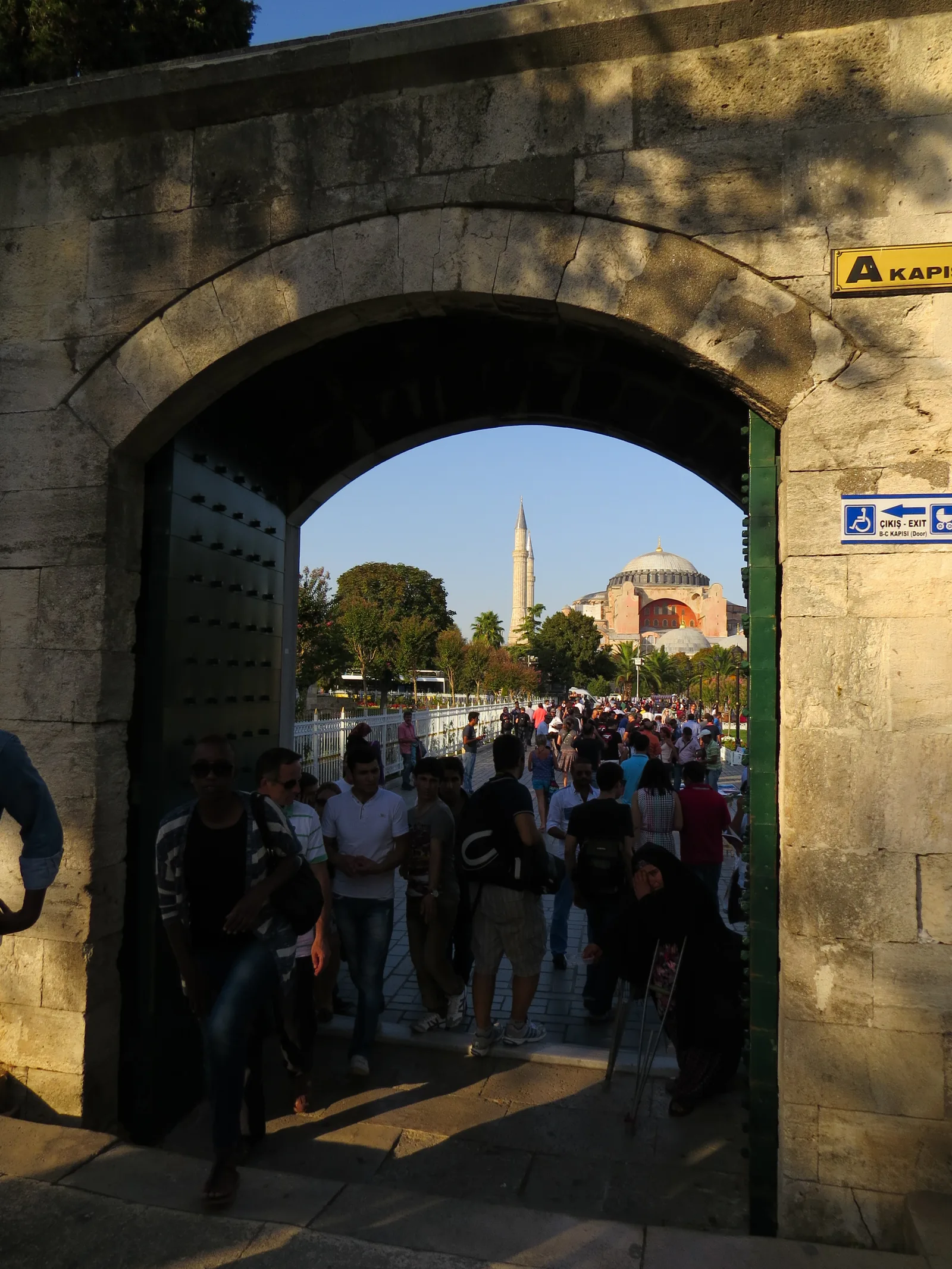
Blue Mosque (Sultan Ahmed)
Six minarets, a cascade of domes and over 20,000 Iznik tiles: the icon of Istanbul.
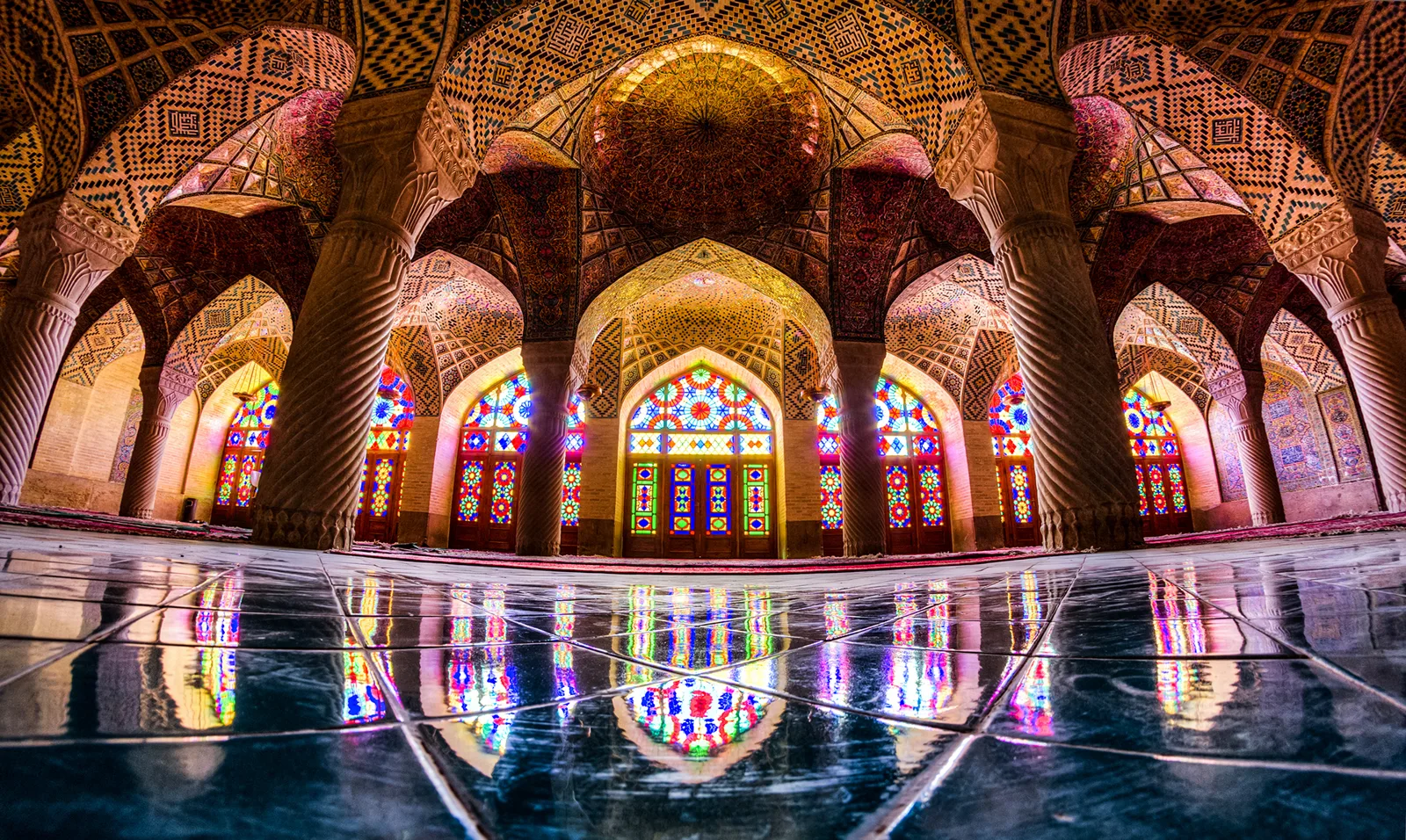
Nasir al-Mulk Mosque
Shiraz's "Pink Mosque", whose stained-glass windows turn every morning prayer into a kaleidoscope.
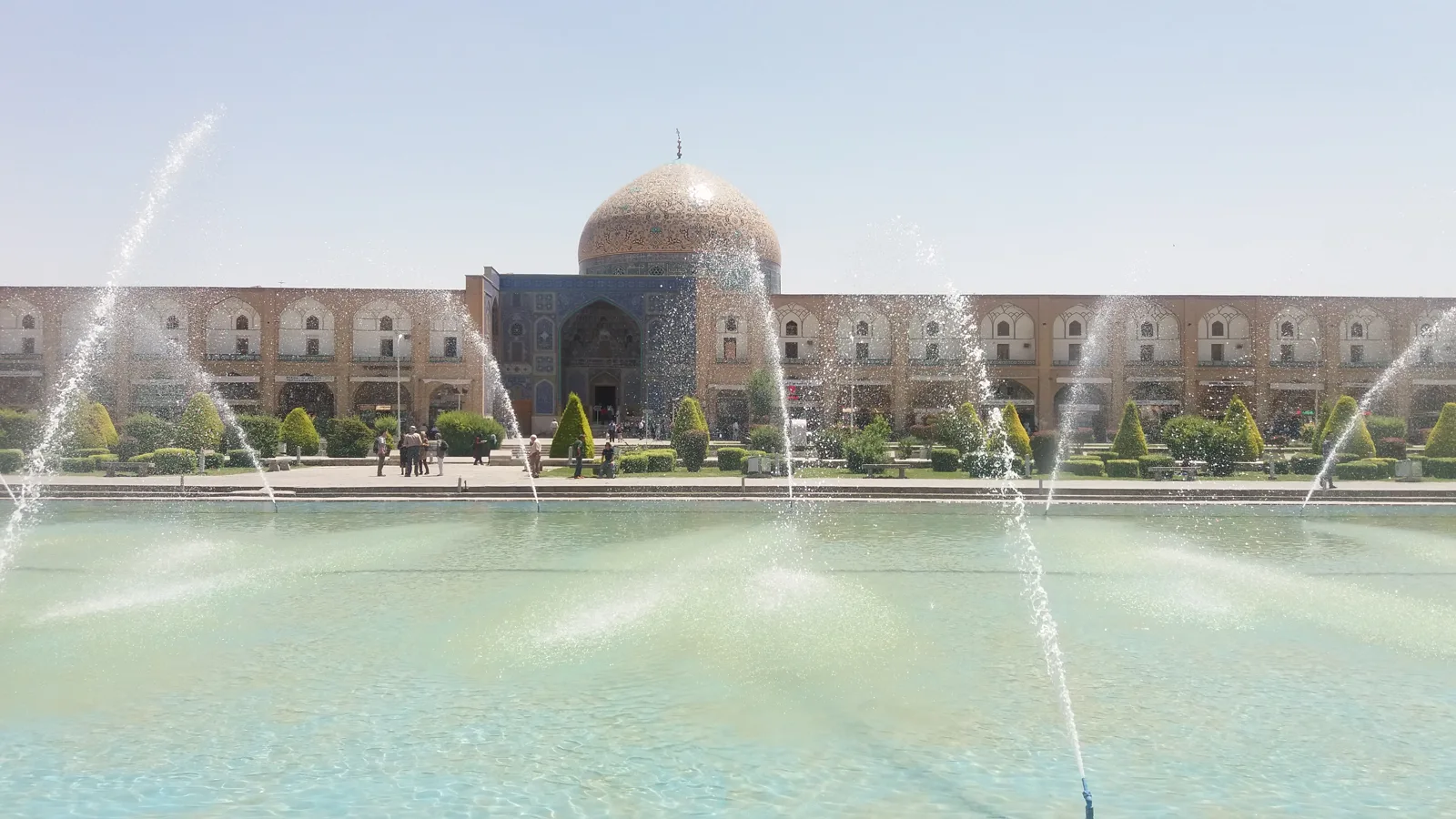
Sheikh Lotfollah Mosque
The Safavid jewel of Naqsh-e Jahan Square: no minaret, no courtyard, but Iran's most beautiful dome.
About this page's content: this site offers editorial and cultural content written with care and respect for the religious traditions concerned; it does not constitute a theological opinion or a source of religious authority. Despite our checks, errors, inaccuracies or approximations may remain. If you spot one, please let us know via the Contact page or by email at qibla.mosk@gmail.com, and we will correct it gratefully.